
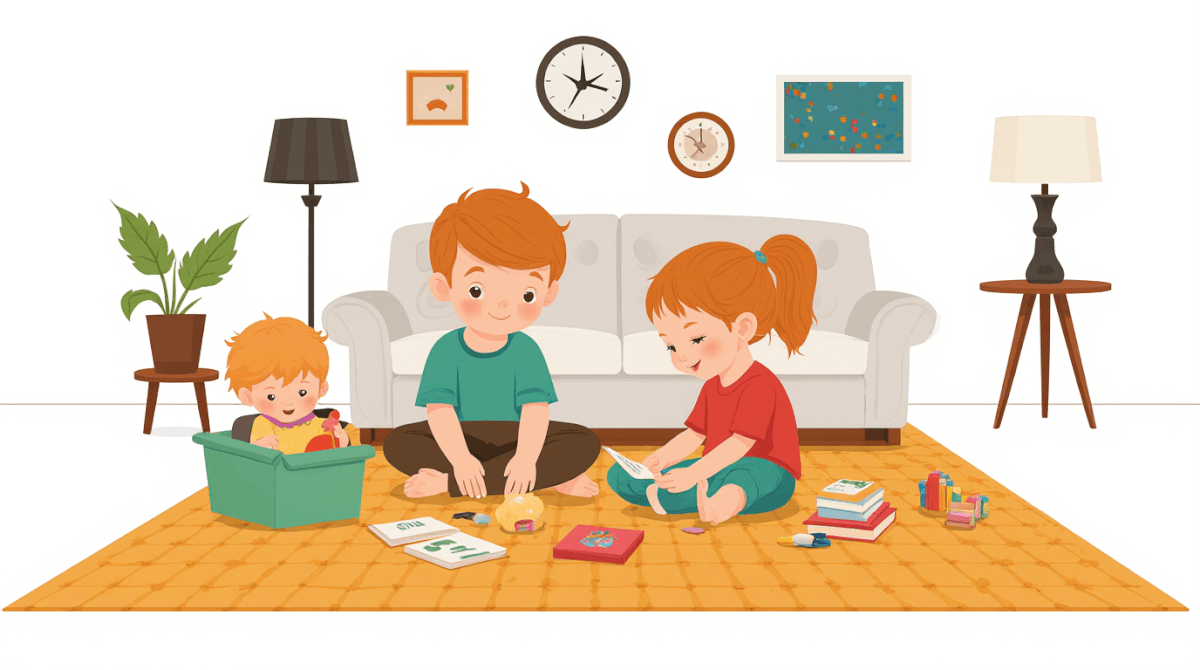
Stability encourages emotional maturity through its impact on consistent patterns of behavior and the establishment of reliable emotional frameworks within individuals. Emotional maturity involves the ability to understand and manage one’s emotions effectively, which is significantly influenced by the stable environment that supports predictability and security. When children experience stability, whether in their home or broader social environments, they are better equipped to navigate complex emotional landscapes because they develop a strong foundation for trust, self-regulation, and resilience.
Stability provides a consistent backdrop against which individuals can build their emotional lives. When a child consistently experiences a supportive home environment where parents respond predictably and with empathy, the child learns that emotions are manageable and will not be met with fear or neglect. This predictable response from caregivers helps in forming secure attachments, a key aspect of emotional maturity. Securely attached individuals can explore their surroundings without fear of abandonment, allowing them to engage more fully with the world around them.
The influence of stable environments extends beyond immediate family interactions. Schools and communities that offer consistent support systems also contribute significantly to emotional development. In classrooms where routines are well-established and teachers consistently provide emotional guidance and encouragement, students learn how to handle setbacks and failures effectively. This environment fosters an understanding that emotions such as disappointment or frustration can be temporary and manageable through structured interventions.
Stability facilitates the development of self-regulation skills. When children experience a stable routine at home and school, they are more likely to internalize the importance of managing their impulses and reactions. Knowing that homework is due on specific days and has set times for completion helps them develop organizational skills and time management techniques that are crucial for emotional control. This predictability translates into a sense of self-control that can be applied in various life situations.
The impact of stable environments on emotional maturity is also evident in the way they shape coping mechanisms. In contrast to unstable or unpredictable environments, which may lead to heightened stress responses and difficulty in managing emotions, stable conditions encourage healthier coping strategies. Children who experience consistent positive reinforcement for expressing their feelings learn that emotions can be expressed without fear of negative consequences. This leads to a more balanced emotional response where they can openly communicate their needs and desires.
In addition, stability supports the development of resilience—a key component of emotional maturity. Resilience allows individuals to bounce back from adversity with strength and determination. In stable environments, children learn that challenges are part of life but also understand that support systems exist to help them overcome these challenges. This can be seen in how students handle academic pressures when they know that their teachers and peers will provide assistance and encouragement. Such consistent support builds a belief in one’s ability to face and overcome obstacles, fostering a resilient mindset.
Stability encourages emotional maturity by promoting a sense of belonging and identity. Children who grow up in stable environments are more likely to develop a strong sense of self and place within their community. This is because they see patterns of behavior that reinforce positive values and behaviors. Seeing parents consistently model empathy, kindness, and respect creates an internalized set of norms that guide behavior. These internalized values help children navigate social interactions with confidence and understanding.
In contrast to stable environments, unstable conditions can hinder emotional maturity by overwhelming individuals with unpredictable circumstances. Frequent changes in living situations or inconsistent parenting practices can lead to a sense of insecurity and confusion. This lack of stability makes it challenging for individuals to form secure attachments and develop self-regulation skills because they are constantly adjusting to new variables. Consequently, the emotional landscape becomes more turbulent, making it difficult to process emotions effectively.
Stability plays a crucial role in fostering emotional maturity by providing consistent patterns of behavior that support the development of trust, self-regulation, resilience, and a sense of belonging. Through the establishment of predictable routines and reliable emotional frameworks, stable environments enable individuals to navigate their emotional landscapes more effectively. This process is evident in how children form secure attachments, develop coping mechanisms, and build a resilient mindset. Ensuring stability in both personal and social contexts is vital for nurturing emotionally mature individuals capable of managing life’s complexities with grace and resilience.
References:
– Bowlby, J. (1988). A Secure Base: Clinical Applications of Attachment Theory. Routledge.
– Perry, B. D., & Pollard, R. A. (1996). Childhood trauma, the neurobiology of adaptation, and “use-dependent” development of the brain: implications for childhood abuse and neglect. The American Journal of Psychiatry, 153(2), 169-177.



Be First to Comment