
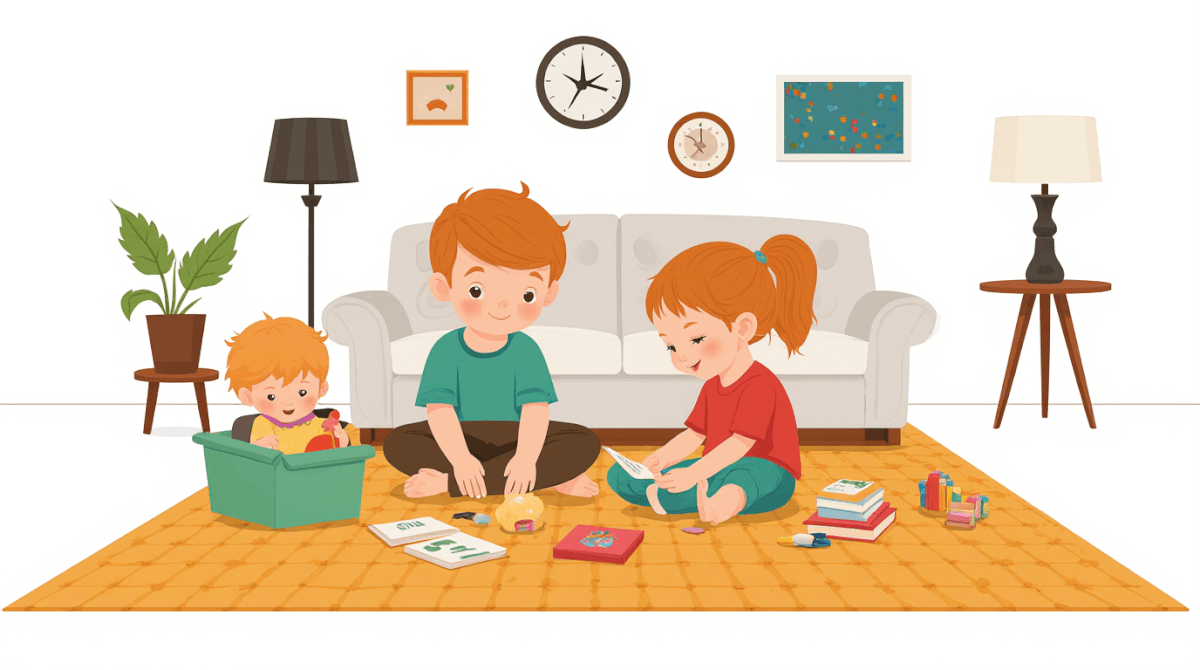
Stability builds emotional security through a process that begins with consistent routines and predictable environments. Emotional security refers to the internal sense of safety and trust one feels within themselves, which develops from secure attachments formed early on. When children experience stability—whether it be through reliable caregivers or stable living conditions—their brains begin to develop in ways that support emotional resilience. This essay will explore how a stable environment shapes the development of emotional security by examining the role of consistent routines and predictable experiences.
Consistent routines form the foundation upon which emotional security is built. A routine provides children with a sense of predictability, knowing what to expect day after day. A child who wakes up every morning at the same time, gets dressed in the same order, has breakfast at the same place, and goes to school through the same route, learns that their world can be trusted. This routine helps children feel secure because it minimizes unpredictability, which is a common source of anxiety for young minds. The brain responds positively to predictability by producing less cortisol, a hormone associated with stress, allowing the child to focus more on learning and social interactions rather than coping mechanisms.
The impact of consistent routines extends beyond just daily activities. A bedtime routine can significantly enhance emotional security. A bedtime ritual might include reading stories, singing lullabies, and saying goodnight. Over time, this predictable sequence reinforces the idea that there is safety in their home environment and prepares the child for sleep, which is essential for physical and emotional well-being. Children who experience such routines develop a sense of stability, leading to increased confidence in themselves and others.
Predictability also plays a crucial role in building emotional security through consistent environments. A stable home or school setting where rules are clear and expectations remain constant helps children understand the world around them better. If a classroom consistently follows a morning meeting, independent work time, and group activities with specific guidelines each day, students learn to navigate their environment more effectively. This predictability allows them to focus on learning rather than constantly trying to figure out what is expected of them. As children encounter fewer surprises in their daily lives, they develop greater self-assurance and emotional stability.
Stable environments help children develop a secure sense of self by providing consistent reinforcement from caregivers and peers. When a parent consistently responds with warmth and support, the child internalizes these feelings as part of their identity. This internalization is crucial because it forms the basis for how they will interact with others in the future. Children who experience consistent emotional support learn to trust themselves and others, fostering healthy relationships built on mutual respect and understanding.
The psychological mechanisms involved in this process are complex but can be understood through simple examples. Consider a child named Alex who experiences a stable home life. Every evening after dinner, Alex’s parents read him a bedtime story before tucking him into bed. This routine not only provides emotional security by ensuring that he feels loved and cared for each night but also helps his brain develop in ways that support emotional regulation. Over time, the consistent exposure to this routine allows Alex to feel safe even when faced with challenges outside of home.
Another example can be seen in schools where teachers consistently apply rules and expectations across different classes and students. When children know what is expected of them in school, they are more likely to engage positively in classroom activities. If a teacher always starts class with ten minutes of independent work followed by group discussion, the students learn to focus on their tasks knowing that structured time will follow. This predictability reduces anxiety and allows for better concentration, contributing to emotional stability.
In addition to these examples, it is important to note how broader social and cultural contexts can influence the development of emotional security through stability. In communities where there are strong support networks, children often experience a sense of belonging that further reinforces their emotional well-being. When neighbors or extended family members provide consistent care and guidance, children feel secure knowing they have multiple sources of support. This broader network of social stability helps fortify the emotional security formed within specific environments like homes or schools.
It is also crucial to recognize the impact of unpredictable events on emotional security. Sudden changes such as moving to a new home, changing schools, or experiencing family instability can disrupt established routines and predictable environments. These disruptions may lead to increased anxiety and insecurity in children who have previously experienced stability. Maintaining consistent routines and stable environments is not only beneficial but also essential for protecting the emotional security of vulnerable individuals.
The development of emotional security through stability involves a complex interplay between consistent routines, predictable experiences, and broader social contexts. By fostering these elements, children are better equipped to navigate the challenges of daily life with confidence and resilience. While individual differences in temperament and external circumstances may vary, the fundamental role of stability remains crucial for building emotional security.
This mechanism illustrates how the environment shapes development by influencing neural pathways that support emotional regulation. As children grow up in stable environments, their brains develop in ways that enhance their ability to handle stress and form secure relationships. These internal processes are deeply interconnected with external factors such as routines and predictable experiences, highlighting the importance of creating consistent and nurturing conditions for emotional well-being.
In summary, stability plays a pivotal role in building emotional security by providing children with a sense of predictability, reinforcing positive behaviors, and fostering secure attachments. By understanding and implementing these mechanisms, society can better support the development of emotionally resilient individuals who are capable of navigating life’s challenges with confidence and grace.


Be First to Comment