
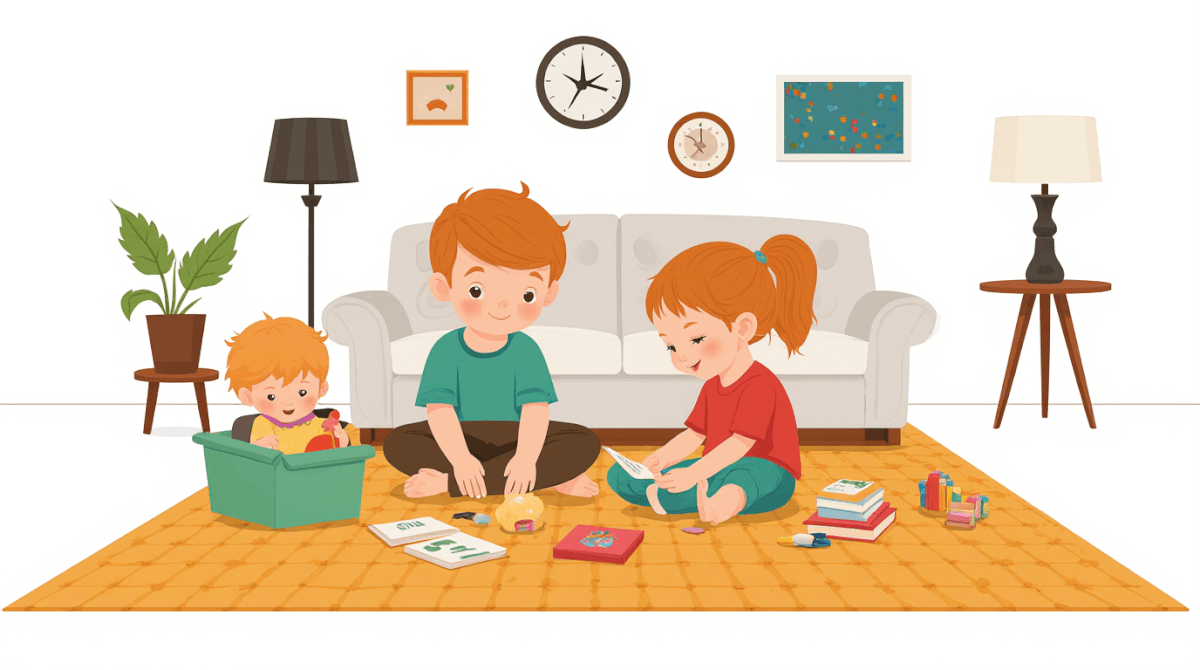
Stability builds emotional endurance by creating a secure base from which individuals can navigate life’s challenges with resilience and confidence. This process is significantly influenced by the environment and early experiences that shape one’s sense of security and trust in the world. A stable environment provides predictability, consistency, and positive interactions that reinforce the belief in dependable relationships and supportive social structures.
In early childhood, a child forms their first attachment to caregivers who provide emotional support and safety. Secure attachments, fostered by consistent and responsive caregiving, create an internal working model of oneself as worthy of love and capable of handling life’s stresses. When these positive interactions are present from a young age, children develop the ability to regulate emotions effectively and cope with adversity more constructively.
Consider a child named Mia who has grown up in a home where her parents consistently provide care, emotional support, and clear boundaries. As she faces challenges at school or social pressures, Mia can rely on these internalized feelings of security and worthiness to navigate her emotions without becoming overwhelmed. This process is akin to building a strong foundation for a house; the more stable and secure this base, the better equipped one is to handle any external pressures that come their way.
The influence of stability extends beyond immediate family interactions. The broader social context also plays a crucial role in shaping emotional endurance. Schools, communities, and cultural norms contribute to an overall sense of belonging and support. A child growing up in a community where mutual respect and cooperation are valued is more likely to develop the ability to work collaboratively with others and bounce back from personal setbacks.
Stability can be seen in the predictability and reliability of daily routines. Regularity in mealtimes, sleep schedules, and other daily activities helps children anticipate what will happen next, reducing anxiety and stress. This sense of predictability is essential for developing a child’s capacity to manage complex emotions and adapt to unexpected changes.
It is important to note that not all forms of stability are positive. Toxic or overly rigid environments can also shape emotional endurance, but in ways that are detrimental. Children who experience chronic stress from unpredictable and hostile parental relationships may develop heightened anxiety and a sense of constant threat, making it difficult for them to form secure attachments with others later on.
The process of building emotional endurance through stability involves several key steps. Initially, individuals must feel safe and supported in their environment. This safety creates an emotional foundation upon which they can begin to explore the world confidently. Over time, repeated positive experiences reinforce this sense of security, allowing individuals to develop the cognitive and emotional tools needed to face challenges.
As children grow older, stable environments provide opportunities for autonomy and self-reliance while still maintaining a supportive framework. As Mia progresses through her education, she learns to handle increasing responsibilities with guidance from teachers and mentors who recognize her strengths and offer encouragement. This balance between support and independence is crucial in fostering resilience.
Instability can disrupt this process. Frequent changes in living situations, unpredictable parenting behaviors, or exposure to traumatic events can undermine a child’s sense of security and trust. Children experiencing frequent moves or inconsistent caregiving may struggle with emotional regulation and may develop heightened anxiety or behavioral issues as they try to navigate these unpredictable circumstances.
The impact of stability on emotional endurance is evident in various aspects of an individual’s life. In adulthood, individuals who have experienced stable early environments are better equipped to handle work pressures, interpersonal conflicts, and personal challenges. They tend to demonstrate greater emotional resilience, maintaining a positive outlook even when faced with adversity.
The mechanism through which stability builds emotional endurance is multifaceted and deeply influenced by both immediate familial relationships and broader social contexts. By providing predictability, consistency, and emotional support, stable environments create a secure base that allows individuals to develop the necessary tools for navigating life’s challenges. This process involves several stages—from initial attachment formation to the cultivation of self-regulation skills—each contributing to the overall resilience of an individual.
Research has shown that these early experiences shape long-term outcomes significantly. A study published in the Journal of Child Psychology and Psychiatry found that children with secure attachments were better able to manage stress and exhibit more adaptive coping strategies compared to their insecurely attached peers (Bretherton, 1985). Another study highlighted the role of stable family environments in fostering emotional regulation skills, emphasizing the importance of consistent support for child development (Grossman & Grossman, 2006).
In summary, stability builds emotional endurance by providing a secure foundation from which individuals can navigate life’s challenges with resilience and confidence. The process is deeply influenced by early experiences and the broader social context, reinforcing the idea that emotional well-being is not merely an innate trait but a product of ongoing development and support.
References:
Bretherton, I. (1985). Attachment theory: Retrospect and prospect. *Monographs of the Society for Research in Child Development*, 50(1-2), 3-35.
Grossman, K., & Grossman, J. (2006). The role of secure attachment relationships in promoting child development and resilience. *Clinical Psychology Review*, 26(4), 479-503.
Related Reading
– Allan Schore — Affect Regulation and the Origin of the Self
– Jean Piaget — The Psychology of the Child


Be First to Comment