
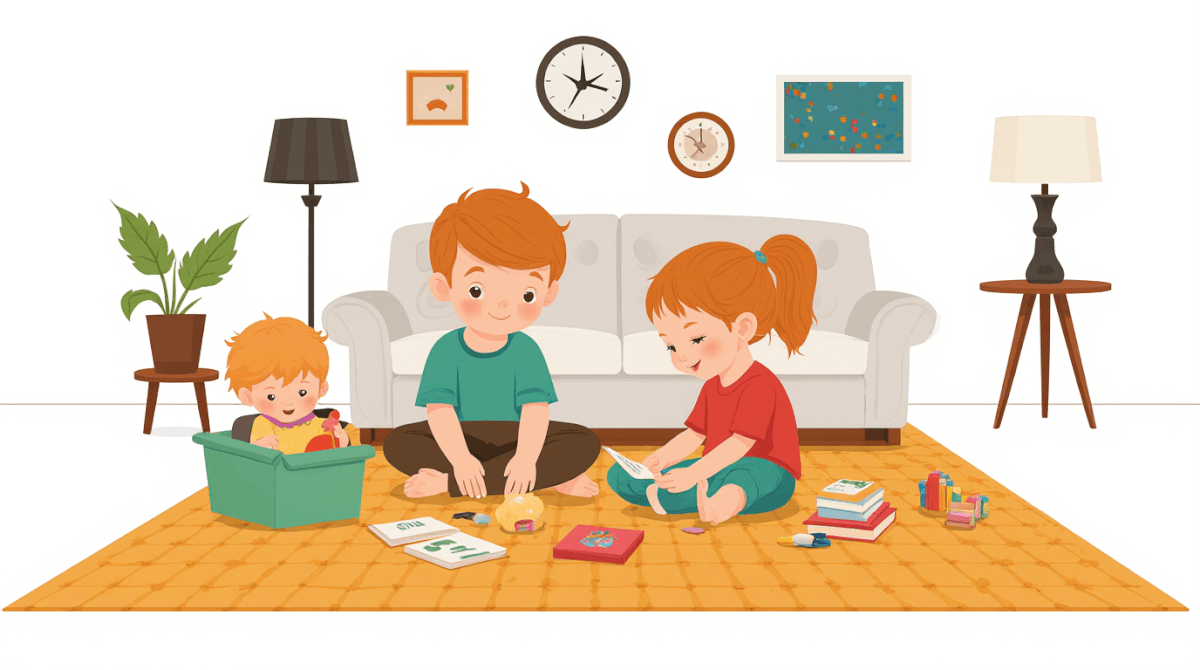
Self-esteem is a complex construct that encompasses the overall value one has for themselves. While self-esteem can be influenced by various factors such as genetic predispositions and societal expectations, this essay will focus on how small successes contribute to its development. These successes, often perceived as minor achievements in daily life, play a crucial role in shaping an individual’s sense of worth and confidence. By examining the mechanisms through which these successes affect self-esteem, we can understand why they are essential for healthy psychological growth.
From a young age, individuals experience a range of small successes, such as completing a simple puzzle or winning a minor game with friends. These experiences provide a sense of accomplishment that is critical in reinforcing positive beliefs about oneself. In the context of early development, children who frequently encounter these successes tend to develop stronger self-esteem. When a child successfully ties their shoelaces for the first time, they feel a surge of pride and satisfaction, which contributes to a growing sense of competence.
These small victories are not only about the achievement itself but also about the emotional state that follows. When an individual experiences success, they often feel positive emotions such as joy or happiness, which can have long-lasting effects on their psychological well-being. Positive emotions act as a buffer against negative thoughts and feelings, creating a more resilient mental framework. If a child consistently faces small challenges and achieves modest goals, they are likely to develop a habit of looking for solutions rather than giving up in the face of adversity.
The environment plays a significant role in facilitating or hindering these experiences. Parents, educators, and peers can all contribute to whether an individual encounters situations that allow them to experience success. A supportive home environment where parents encourage exploration and experimentation fosters an atmosphere conducive to small successes. A parent who allows their child to try out different activities—whether it’s painting or playing with blocks—and offers praise for the effort rather than just the outcome encourages frequent opportunities for positive experiences.
A rigid or overly critical environment can stifle these experiences. If children are constantly criticized for not being perfect or if they face high-pressure situations, they may struggle to find small successes that bolster their self-esteem. This is particularly true in academic settings where competition and performance metrics dominate the atmosphere. A student who frequently receives negative feedback might internalize feelings of inadequacy, making it harder for them to perceive even modest achievements as positive.
Cultural factors also influence the perception and value placed on small successes. In some cultures, there may be a strong emphasis on external validation through awards or competitions, which can make it difficult for individuals to recognize their personal growth and minor accomplishments. In environments that celebrate incremental progress, such as community-based learning programs, children are more likely to experience frequent opportunities for success.
The social context in which small successes occur is crucial. Participating in group activities where everyone has a role can lead to shared success experiences, enhancing mutual support and collective self-esteem. Isolation or exclusion can prevent individuals from experiencing these positive moments, leading to a lack of self-worth.
The cumulative effect of repeated small successes is significant. Over time, these minor achievements add up, creating a stronger foundation for overall self-esteem. A child who consistently solves puzzles independently will begin to see themselves as capable and intelligent, even if the challenges are not necessarily complex. This consistent pattern of positive reinforcement can lead to increased confidence in tackling more challenging tasks.
It is important to recognize that while small successes contribute significantly to self-esteem, they should not be the sole focus. Balanced development requires a combination of both external validation and internal motivation. Encouraging individuals to set realistic goals and celebrate their progress, regardless of size, can further enhance their sense of self-worth.
Small successes are fundamental in building self-esteem. They provide emotional support, create positive habits, and foster a sense of competence that is essential for healthy psychological development. By recognizing and nurturing these minor achievements, individuals can develop resilience against negative experiences and build a robust foundation of self-worth. The environment, including familial, cultural, and social contexts, plays a critical role in facilitating or hindering the opportunities for such successes. Understanding this mechanism can help educators, parents, and caregivers create more supportive environments that promote the holistic growth of individuals.
References:
– Twenge, J. M., & Campbell, W. K. (2019). The Narcissism Epidemic: Living in the Age of Entitlement. Simon and Schuster.
– Harter, S. (1999). The Construction of the Self: A Developmental Perspective. Guilford Publications.


Be First to Comment