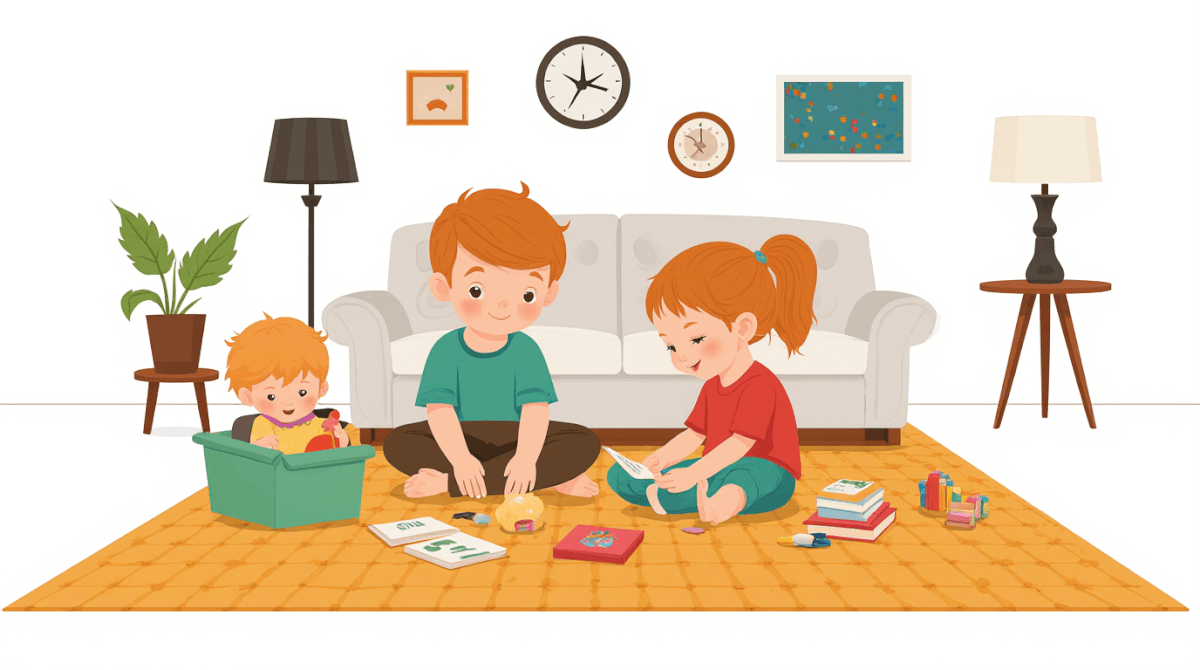
In the heart of every home lies a complex web of relationships that silently shape the emotional and psychological landscape of its young members. From the tender embrace of a parent to the gentle guidance of a sibling, these bonds are like invisible threads weaving together the fabric of a child’s inner world. The way we express affection, set boundaries, offer support, and establish routines can have profound effects on a child’s confidence, emotional regulation, and sense of safety.
Let’s take the example of a child receiving a warm hug from a parent after a challenging day at school. This simple act of affection serves as a powerful affirmation of their worth and security. When a child consistently experiences such moments, they begin to internalize a message: “I am loved and safe.” This sense of security is foundational for developing emotional regulation. It allows the child to feel less anxious about the world and more ready to face its challenges. The brain, particularly in early development, forms neural pathways that link physical comfort with emotional stability. Thus, those who receive consistent affection tend to have a greater capacity to soothe their own emotions and navigate life’s ups and downs.
Consider another scenario: a child watching their parents engage in a calm discussion after a disagreement. Here, the child learns the value of communication and conflict resolution in a peaceful manner. This observation sets a precedent for handling similar situations when the child faces their own conflicts. By witnessing adults manage emotions and resolve issues with respect, children internalize these behaviors as part of their emotional repertoire. Over time, they become more adept at managing their own feelings and resolving disputes in a constructive way.
Consistency is another key factor. Imagine a family that maintains regular meal times, bedtime routines, and household rituals. These familiar practices create a predictable rhythm that provides a sense of stability for the child. Predictability helps the brain develop a sense of order and normalcy, which are crucial for emotional well-being. When children know what to expect, they can manage their environment better and feel more secure. This predictability also allows them to focus on learning and playing without the distraction of uncertainty.
Support from family members is another pillar. During times of struggle, whether academic or social, a child’s family can provide a vital safety net. When a parent listens attentively during a difficult conversation or helps with homework, the child experiences validation and encouragement. This support reinforces their belief in themselves and their abilities. It teaches them that they are not alone in facing challenges and that there is always someone ready to help. This internalization of support can boost self-esteem and resilience.
Structure within the family also plays a significant role. Setting clear boundaries and expectations for behavior creates a framework that guides children’s actions. When a child learns that they must clean their room by a certain time, they develop a sense of responsibility and organization. These structured activities help children learn to follow rules and understand consequences, which are important life skills. Structure also provides a sense of order and predictability, contributing to emotional stability.
Consider the impact when these elements are absent or inconsistent. A child who receives sporadic affection may struggle with feelings of worthlessness and insecurity. In homes where communication is strained or absent, children might face emotional confusion and difficulty in expressing their feelings. Without established routines, a child’s days can feel unpredictable and chaotic, leading to heightened anxiety.
Understanding these dynamics is crucial for creating a nurturing environment that supports healthy development. While the specifics may vary from family to family, the core principles remain the same: affection, consistency, support, and structure are vital components in shaping a child’s emotional and psychological well-being. By consciously integrating these elements into daily life, families can lay a strong foundation for their children to thrive and grow into confident, emotionally resilient adults.
As we reflect on the ways our actions and interactions influence our children, it is clear that the family is not just a place of love and support but also a critical environment where the seeds of emotional and psychological health are sown. By fostering these bonds, we contribute to building a robust framework within our children’s minds, one that will stand them in good stead for the challenges and opportunities that lie ahead.