
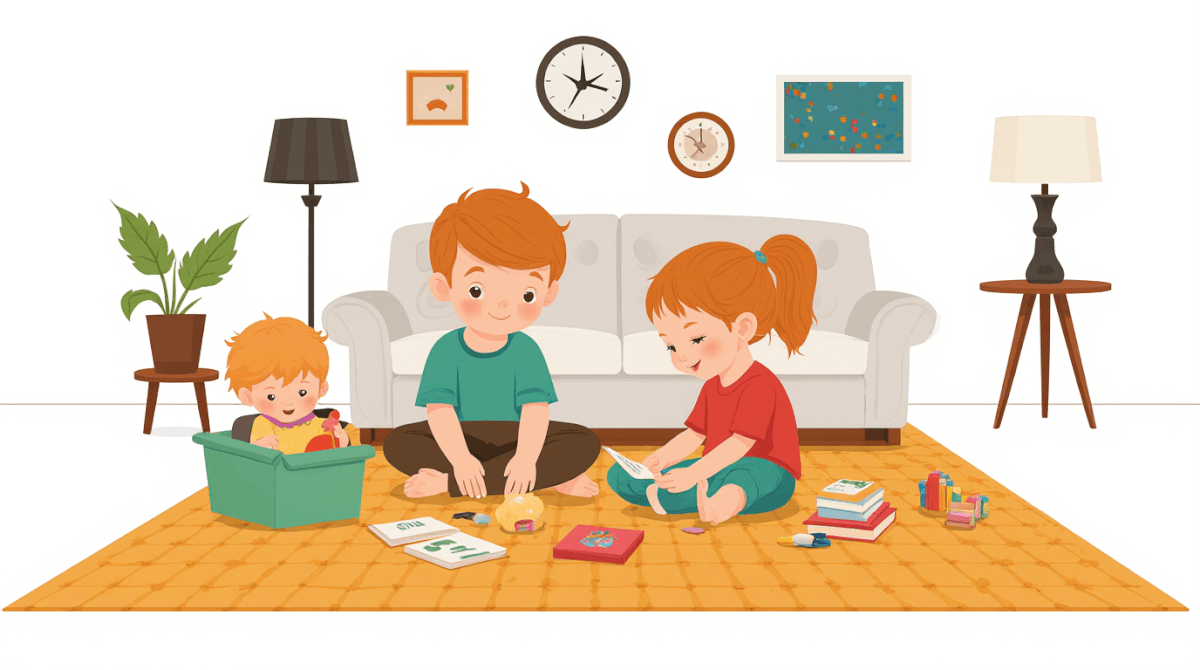
Family interactions significantly shape emotional awareness through a complex interplay of social, cultural, and relational factors that influence how individuals perceive and process their emotions. Emotional awareness involves the ability to recognize, understand, and respond to one’s own feelings as well as those of others. This essay will explore how family dynamics, particularly patterns of communication and interaction, can either enhance or hinder emotional development during early childhood.
At its core, emotional awareness is closely tied to the way individuals interact with their families. Consider a family where open dialogue about emotions is encouraged. Here, children are more likely to develop strong emotional literacy because they learn from an early age that it is acceptable and beneficial to express feelings openly. This environment creates a safe space for exploration of emotions, leading to better understanding and management of one’s own feelings and those of others. Families where discussions about emotions are discouraged may raise individuals who struggle with recognizing or expressing their emotions effectively.
One mechanism through which family interactions shape emotional awareness is the modeling effect. Parents and other family members often serve as role models in how to express and manage emotions. If a child observes a parent handling anger by taking deep breaths and using “I” statements, they are more likely to adopt these strategies themselves. This observation and imitation process plays a crucial role in emotional learning. The opposite is also true: children who witness negative emotional behaviors, such as frequent outbursts or dismissing feelings, may internalize these patterns and find it challenging to develop healthy emotional regulation skills.
Family dynamics also influence emotional awareness through the quality of interactions during everyday activities. Consider meal times, a common family activity where conversations can vary widely in their emotional tone. In families that engage in positive discussions about their day and share experiences, children are exposed to a range of emotions and learn how to discuss them constructively. This can enhance their ability to empathize with others and manage their own feelings during stressful situations. Meals marked by tension or conflict can create an environment where emotional expression is stigmatized, potentially leading to difficulties in recognizing and processing one’s own emotions.
The frequency of interactions within a family also plays a significant role in emotional awareness development. Regular and consistent communication fosters a deeper understanding of emotions among family members. A family that spends quality time together on weekends might engage in reflective activities like journaling or sharing feelings, which can strengthen emotional bonds and improve mutual understanding. These regular interactions provide repeated opportunities for learning and practicing emotional skills.
The emotional climate within a family further shapes children’s emotional awareness. A warm and supportive home environment encourages open expression of emotions, while an emotionally cold household may inhibit such communication. Research indicates that children raised in supportive families are more likely to develop resilience and better coping mechanisms when faced with challenging situations. A child who grows up feeling secure and understood is less likely to develop anxiety or depression as they navigate through life’s challenges.
It is also important to note the impact of family rules and expectations on emotional awareness. Families with strict emotional boundaries might inadvertently teach children to suppress their feelings in certain contexts, which can lead to bottling up emotions until a crisis occurs. Families that encourage expressing emotions openly are more likely to produce individuals who can communicate effectively under pressure.
The role of cultural context cannot be overlooked in understanding how family interactions shape emotional awareness. Different cultures have varying norms regarding the expression and management of emotions. Some cultures value direct expression of feelings, while others emphasize restraint or indirect communication. These cultural expectations influence how families interact and impact children’s emotional development.
Another significant factor is the role of technology in family interactions and its effect on emotional awareness. In today’s digital age, families are increasingly engaging with screens for communication and entertainment. While technology can facilitate connections over distance, it can also disrupt face-to-face interactions that are crucial for developing emotional literacy. A child who primarily communicates through text or social media may miss out on non-verbal cues and nuanced expressions of emotions, which are essential for full emotional development.
Family structures beyond traditional nuclear families can influence emotional awareness. Single-parent households, blended families, and extended families each bring unique dynamics that shape children’s emotional experiences. In single-parent homes, the parent might need to balance multiple roles, potentially affecting their availability and emotional responsiveness. Blended families may face additional challenges in integrating new family members’ emotional histories, which can impact emotional awareness for all involved.
The influence of family pets on emotional development is also worth considering. Studies have shown that children who grow up with pets learn empathy and care-taking skills, which can translate into better emotional regulation. A child caring for a pet learns to recognize subtle signs of distress in the animal and respond appropriately, mirroring positive emotional management strategies.
Family interactions play a crucial role in shaping emotional awareness through multiple mechanisms such as modeling, regular interaction quality, emotional climate, cultural norms, technology influence, and family structure. These factors interact in complex ways to either enhance or hinder an individual’s ability to recognize, understand, and manage their emotions effectively. Understanding these dynamics can provide valuable insights for both parents and educators on how to foster healthier emotional development within families.
While the mechanisms discussed offer a comprehensive view of how family interactions influence emotional awareness, it is important to remember that each child’s journey is unique. The interplay between genetic predispositions, environmental factors, and personal experiences all contribute to individual emotional development. While family interactions are significant, they should be considered alongside other influential factors in fostering emotional literacy.
References:
– Tangney, J. P., Baumeister, R. F., Boone, A. L. (2005). High self-control predicts good adjustment, less pathology, better grades, and interpersonal success. Journal of Personality, 73(2), 147-180.
– Denham, S. A., Blair, K. J., DeRomediola, M. L., Morton, T. A. (2003). Preschoolers’ emotion knowledge: Relations with theory of mind and executive behavior. Social Development, 12(4), 567-584.



Be First to Comment