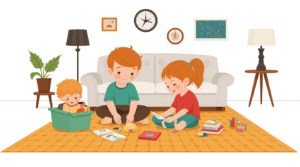
The complex tapestry of familial culture and its profound impact on identity formation is a nuanced landscape that intertwines with the delicate threads of personal experience. The act of parenting, while often seen as a straightforward path of guidance and instruction, harbors within it a labyrinth of emotional subtleties and psychological undercurrents. This exploration delves into the intrinsic nature of upbringing—its intricacies, its challenges, and the profound influence it has on the developing psyche of a child.
At the heart of this discussion lies the notion that the environment in which a child is raised shapes not only their outward behaviors but also their innermost beliefs and values. The process of shaping a child’s identity through familial interactions is as intricate as it is multifaceted. It involves a constant interplay between the expectations, norms, and emotional climates established by parents, which significantly influence how a child perceives themselves and their place in the world.
One of the central contradictions inherent in this process is the tension between maintaining a balance of authority and nurturing independence. Parents often find themselves caught between the dual roles of providing guidance and fostering autonomy. The authoritative figure seeks to instill discipline and structure; on the other, the nurturing parent wishes to encourage the child’s unique interests and individuality. This duality creates a psychological tension, as the child must navigate between these two opposing forces, which can lead to feelings of uncertainty and confusion about their own identity.
The emotional climate within the family—whether it is warm, supportive, or strained—plays a crucial role in shaping a child’s sense of self. A consistent display of affection and emotional presence can foster a secure attachment, enabling the child to develop a strong foundation of self-worth and confidence. Inconsistent or absent emotional support can result in feelings of inadequacy and insecurity, leading to a fragmented sense of identity. The emotional landscape of the family thus becomes a microcosm of the broader world, where the child learns to navigate complex emotional terrain.
Another central contradiction lies in the struggle between maintaining familial traditions and adapting to the changing times. Family culture is often rooted in long-standing practices and beliefs that have been passed down through generations. These traditions can provide a sense of continuity and stability, but they may also act as barriers to innovation and personal growth. Parents are faced with the challenge of preserving these traditions while allowing their children to explore new ideas and create their own unique identity. This tension can manifest in various ways—through differing views on discipline, educational approaches, or social interactions. The child must reconcile these conflicting perspectives, often leading to internal conflict and self-doubt.
The complexity of familial culture is further heightened by the varying emotional responses that parents might exhibit. Parents may experience a spectrum of emotions ranging from joy and pride to frustration and disappointment. These emotional fluctuations can have a profound impact on the child’s perception of themselves and their relationships. A parent’s frequent expressions of disappointment might lead the child to internalize negative self-assessments, while a parent’s consistent validation and encouragement can foster a positive self-image.
The psychological dynamics at play in the upbringing process are not merely academic constructs but lived experiences that shape a child’s understanding of the world. The interplay between authority and nurturing, the emotional climate of the home, and the balance between preserving tradition and embracing change all contribute to the intricate development of a child’s identity. These tensions are not easily resolved but rather become part of the fabric of the child’s psyche, influencing their perceptions, behaviors, and overall sense of self.
The role of affection in this process cannot be overstated. Consistent displays of love and support provide a secure emotional foundation that allows children to explore their identities without fear of rejection or abandonment. The absence of emotional warmth can lead to feelings of neglect and insecurity, creating barriers to healthy identity development. The importance of emotional presence is not just about providing comfort but also about modeling healthy emotional regulation and communication skills.
In reflecting on the psychological dimensions of parenting, it becomes clear that the journey of shaping a child’s identity is far from linear. It involves navigating a complex web of emotions, norms, and expectations, all while fostering an environment that encourages individuality and personal growth. The challenge lies not in finding the perfect balance but in recognizing the inherent complexity and allowing for the natural evolution of the child’s self-perception.
The intricate relationship between familial culture and identity formation is a multifaceted tapestry that requires careful consideration and understanding. The contradictions and tensions within this process, while challenging, offer valuable insights into the complexities of human development. By acknowledging these nuances and fostering an environment that values both guidance and personal growth, parents can contribute to the healthy and meaningful development of their children’s identities.