
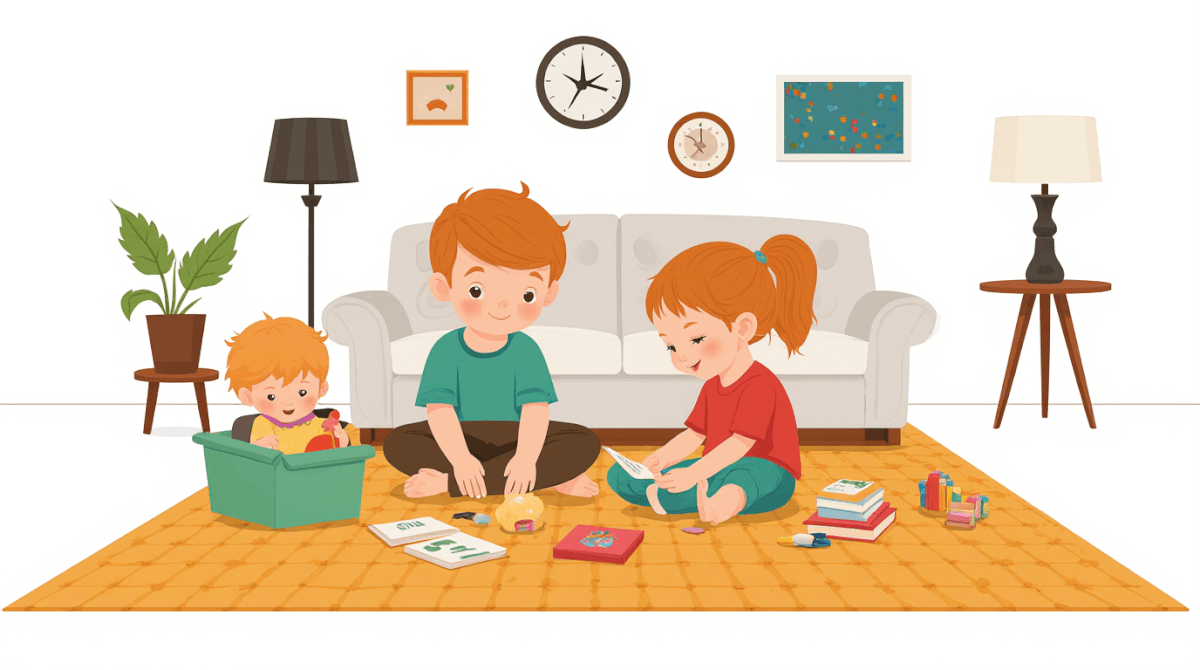
Emotional warmth significantly shapes behavior through its influence on the neural pathways that govern emotional regulation, attachment, and social interactions. This mechanism operates by creating a secure base for individuals to explore their environment and form meaningful relationships, ultimately leading to more positive outcomes in life.
From infancy onwards, infants develop an initial sense of security based on the responsiveness and affection from caregivers. When caregivers provide consistent emotional warmth, children learn to trust their environment, which sets the stage for developing healthy social behaviors later in life. A child who experiences consistent emotional warmth may be more likely to seek out help when encountering challenges or difficulties, as they have learned that reaching out is a safe and effective strategy.
Emotional warmth also plays a crucial role in the development of attachment styles. The type of attachment an infant forms with their caregiver can significantly influence how they relate to others throughout life. A secure attachment, which often develops from environments where emotional warmth is present, allows children to form trusting relationships that are characterized by mutual respect and support. Insecure attachments, which may develop in the absence of consistent emotional warmth, can lead to difficulties in social interactions and a tendency towards defensive or avoidant behavior.
The impact of emotional warmth on neural development provides another layer of explanation for its influence on behavior. Early experiences shape brain structures through a process known as neuroplasticity. Emotional warmth has been shown to activate the release of oxytocin, a hormone that promotes bonding and trust. This hormonal response is particularly significant during early life when brain circuits are still forming and highly malleable. Children who experience high levels of emotional warmth may develop more robust neural networks associated with emotional regulation and social competence.
Emotional warmth fosters resilience in the face of adversity. When children feel emotionally supported by caregivers, they are better equipped to navigate challenging situations without becoming overwhelmed or defensive. This increased resilience can manifest as a willingness to engage in problem-solving behaviors rather than resorting to aggressive or avoidant strategies. A child who has experienced emotional warmth may be more likely to seek out collaborative solutions when faced with conflicts at school, whereas a child from an emotionally cold environment might be more prone to reacting with anger or withdrawal.
The influence of emotional warmth on behavior is also evident in the development of empathy. Empathy is the ability to understand and share the feelings of others, which is crucial for forming positive social relationships. Children who experience emotional warmth are often better at recognizing and responding to the emotions of their peers, leading to stronger interpersonal connections. This heightened sensitivity can be seen when a child from an emotionally warm home demonstrates concern and care towards another child who is upset or in need of support.
Environments lacking in emotional warmth can lead to difficulties in forming empathetic relationships. Children who grow up in cold or neglectful homes may struggle with recognizing the emotions of others, leading to social isolation and misunderstandings. This lack of emotional attunement can result in behaviors that are perceived as insensitive or selfish by peers and adults alike.
The long-term effects of emotional warmth extend beyond childhood into adolescence and adulthood. Individuals who experienced consistent emotional warmth during their formative years tend to exhibit more positive mental health outcomes, such as higher self-esteem, better coping mechanisms, and greater overall well-being. These individuals are also likely to engage in prosocial behaviors and maintain healthier relationships throughout life.
In summary, emotional warmth plays a critical role in shaping behavior by influencing neural development, attachment styles, resilience, and empathy. Through the consistent provision of affectionate and supportive interactions, caregivers can lay the foundation for children to develop into emotionally intelligent adults who are better equipped to navigate the complexities of social interactions. The absence of such warmth, can lead to a cascade of negative outcomes that may persist well into adulthood.
As research continues to uncover the intricate mechanisms by which emotional warmth shapes behavior, it becomes increasingly clear that the quality of early relationships has profound and lasting impacts. By fostering environments characterized by emotional warmth, society can help ensure that future generations are better prepared to build meaningful connections and thrive in a wide range of social contexts.




Be First to Comment