
Emotional warmth plays a significant role in shaping one’s identity through the lens of how it fosters secure attachment and self-esteem. By understanding this relationship, we can see that emotional warmth acts as a foundation for personal growth and development. In environments where emotional warmth is present, individuals are more likely to form strong bonds with caregivers who provide support, acceptance, and positive reinforcement. These early experiences shape an individual’s internal working model of relationships and self-worth, influencing their overall identity formation.
The process begins in infancy when babies experience interactions that are consistently responsive, nurturing, and loving. During these critical periods, infants rely on their primary caregivers to meet their physical and emotional needs. A baby who receives consistent comfort and care from their parents is more likely to develop a sense of security and trust in the world around them. This security serves as the basis for the child’s ability to form healthy relationships later in life.
Emotional warmth also significantly impacts self-esteem. When children experience consistent positive reinforcement, they are more likely to develop a strong sense of self-worth. A child who is praised and encouraged for their efforts rather than just outcomes will grow up with a more resilient sense of self. This internalized self-worth can translate into better coping mechanisms in the face of challenges, as well as increased confidence in social settings.
Emotional warmth shapes an individual’s expectations of others and themselves. Children who experience warm and supportive relationships are more likely to develop an optimistic outlook on life and have higher aspirations for their future. Children who do not receive this type of support may struggle with low self-esteem and anxiety, leading them to form negative beliefs about their abilities.
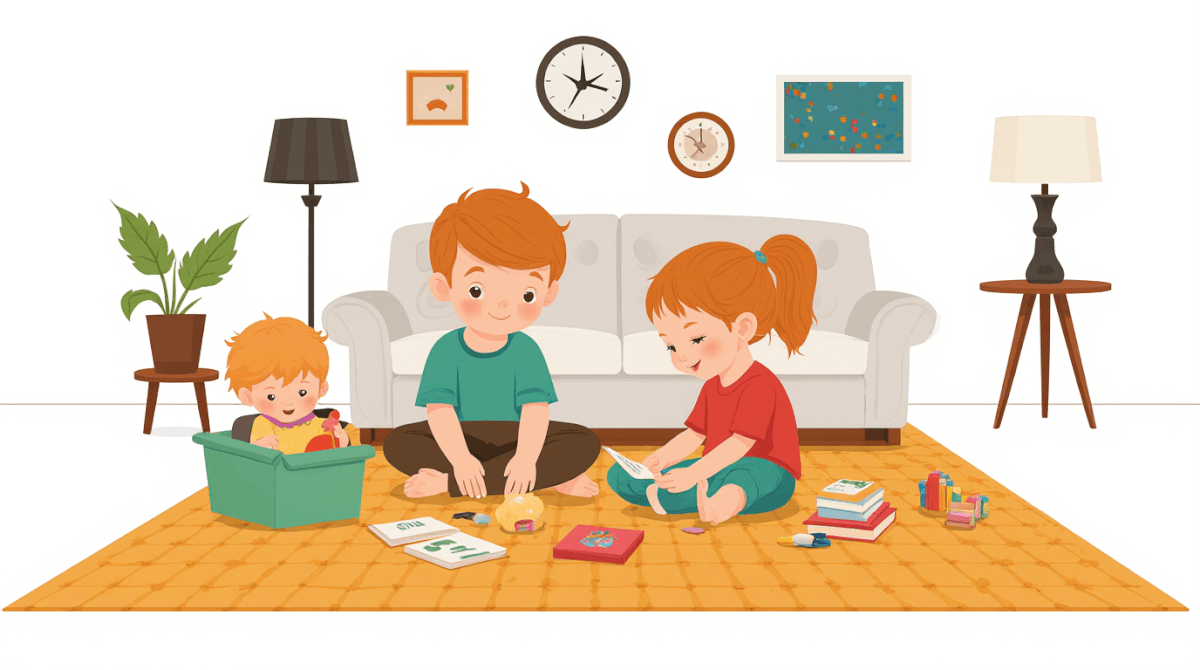
The environment plays a crucial role in the development of emotional warmth and its influence on identity. Families that prioritize communication and emotional expression often provide environments where emotional warmth can flourish. These families might engage in activities such as reading stories together, sharing meals, or playing games, which create opportunities for bonding and mutual understanding.
Families with limited emotional resources may struggle to offer the same level of support. Children from these backgrounds might grow up feeling unheard or unvalued, leading to a sense of disconnection that can persist into adulthood. This lack of emotional warmth can result in identity crises where individuals question their value and place in society.
Cultural context also shapes how emotional warmth is perceived and expressed. In some cultures, open displays of affection are encouraged and expected, while in others, such expressions might be seen as inappropriate or even shameful. These differing cultural norms influence the ways in which children experience emotional warmth and can shape their identities accordingly. A child who grows up in a culture that values stoicism may struggle to express emotions openly, potentially leading to internalized negative beliefs about themselves.
The impact of emotional warmth extends beyond individual development to affect relationships with peers and society at large. Children who receive emotional support from caregivers are more likely to develop empathy and social skills, which enable them to form positive connections with others. This ability to connect with others is crucial for developing a sense of belonging and contributing to the wider community.
In schools and other social settings, children with strong self-esteem and secure attachment histories tend to perform better academically and socially. They are more likely to engage in cooperative activities, seek help when needed, and handle conflicts constructively. Those who lack these supports may struggle in academic and social environments, leading to feelings of isolation and inadequacy.
The role of emotional warmth is particularly evident during times of stress or adversity. When faced with challenges, individuals who have experienced consistent emotional support are better equipped to navigate difficult situations. They draw upon the sense of security and self-worth that they developed in their early years, using these resources to maintain resilience and adaptability.
Emotional warmth is a vital component in shaping an individual’s identity by fostering secure attachment and self-esteem. The environment and early experiences play pivotal roles in determining how this warmth is received and internalized. By providing consistent support, acceptance, and positive reinforcement, caregivers can help children develop the tools needed to navigate life’s challenges with confidence and resilience. Understanding the mechanisms through which emotional warmth influences identity provides valuable insights into the importance of creating nurturing environments for all individuals.
\* \* \*
Grolnick, W. S., & Ryan, R. M. (2009). Handbook of Self-Determination Research. University of Rochester Press.
Waters, E., Waters, M., & Posada, A. C. (1995). The influence of sensitive responsiveness on infant-mother attachment security: A study with Mexican mothers and their infants. Developmental Psychology, 31(2), 286-295.
Related Reading
– Robert Coles — The Moral Intelligence of Children
– Mihaly Csikszentmihalyi — Flow (applied to childhood development)



