
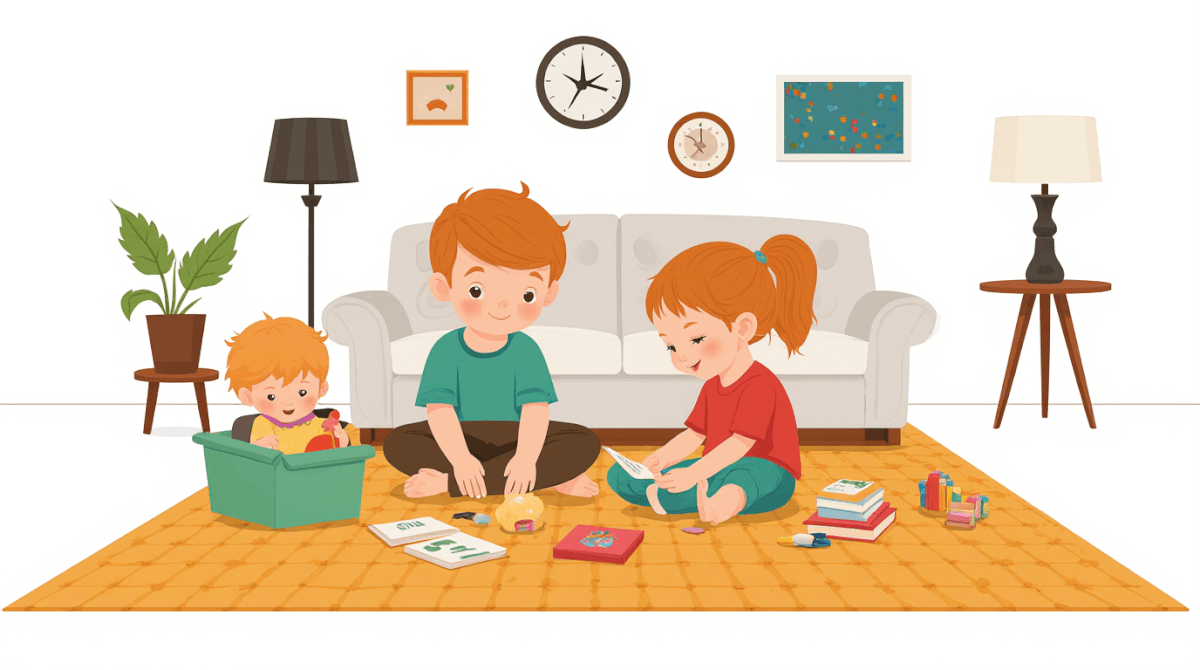
Emotional warmth plays a crucial role in building trust, particularly during the early stages of life when individuals are highly vulnerable and dependent on their environment. This process is intricately linked to the development of secure attachment, which serves as a foundation for emotional regulation and social interactions throughout one’s lifetime. The concept of emotional warmth encompasses more than just physical affection; it includes attunement, responsiveness, and the provision of a stable, nurturing environment that allows children to explore their world with confidence.
In the context of child development, emotional warmth influences trust through its impact on the formation of secure attachment styles. Securely attached children are those who feel safe exploring their surroundings because they have formed strong bonds with caregivers who consistently meet their needs. These experiences lay down neural pathways in the brain that facilitate the ability to form and maintain trusting relationships later in life.
The early years of a child’s life are marked by rapid brain development, particularly in areas associated with social and emotional learning. During infancy, infants rely heavily on caregivers for physical comfort and emotional support. When these needs are consistently met through nurturing interactions, the infant begins to form expectations that the world is safe and that others will be there when needed. This sense of security fosters a foundation of trust that extends beyond immediate family members into broader social contexts.
Consider the case of an infant named Lily who experiences consistent emotional warmth from her caregivers. When she cries, her mother responds promptly by holding her close and soothing her with gentle words and affectionate touches. Over time, this interaction teaches Lily that when she is in distress or needs comfort, someone will be there to help her feel better. This repeated experience of being cared for develops into a fundamental belief that the world can be trusted.
Children who do not receive such consistent emotional warmth may struggle to develop trust. A child named Max grows up with caregivers who are often preoccupied or dismissive of his needs. When he cries, they might ignore him or only offer fleeting attention. Over time, this pattern leads Max to believe that others cannot be relied upon for support when needed, resulting in a less trusting outlook on life.
The mechanism through which emotional warmth builds trust operates at both the individual and relational levels. At an individual level, children who receive emotional warmth are better equipped to process emotions and form positive self-perceptions. They learn that their feelings matter and that they can navigate social situations with confidence. This sense of emotional stability translates into more trusting relationships because individuals feel secure enough to open themselves up to others.
At the relational level, the quality of interactions between caregivers and children significantly shapes trust dynamics. When caregivers provide emotional warmth through attentive listening, empathy, and genuine care, it creates an environment in which children can explore their surroundings with confidence. These experiences foster a sense of security that allows for greater social exploration, as children feel confident enough to engage with others without fear of rejection or abandonment.
Cultural and social contexts also play a vital role in shaping the mechanisms through which emotional warmth builds trust. In collectivist cultures, where community bonds are strong, individuals may develop trust based on group dynamics rather than individual relationships. Even within such frameworks, emotional warmth at an early age can contribute to the formation of trusting interpersonal relationships both within and outside the community.
Research has shown that secure attachment, which is strongly influenced by emotional warmth, predicts better outcomes in various domains of life. Securely attached adults tend to have higher levels of self-esteem, are more resilient in the face of stress, and form healthier romantic relationships (Bowlby, 1969). These benefits extend beyond personal relationships into professional settings, where individuals with strong trust foundations are better equipped to collaborate effectively and build lasting partnerships.
Emotional warmth not only impacts early development but also influences lifelong patterns of interaction. Children who grow up in environments characterized by emotional warmth often carry these positive traits into adulthood, forming trusting relationships based on mutual respect and understanding (Mikulincer & Shaver, 2014).
Emotional warmth is a cornerstone of trust-building, particularly during the critical early years when children are most susceptible to shaping their perceptions of the world. Through consistent nurturing interactions, caregivers create a foundation for secure attachment that extends beyond immediate family into broader social contexts. This process involves both individual and relational dynamics, where emotional warmth fosters not only personal well-being but also the ability to form healthy interpersonal relationships throughout life.
References:
Bowlby, J. (1969). Attachment and loss: Vol. 1. Attachment. Basic Books.
Mikulincer, M., & Shaver, P. R. (2014). Attachment in adulthood: Structure, dynamics, and change. Guilford Publications.


Be First to Comment