
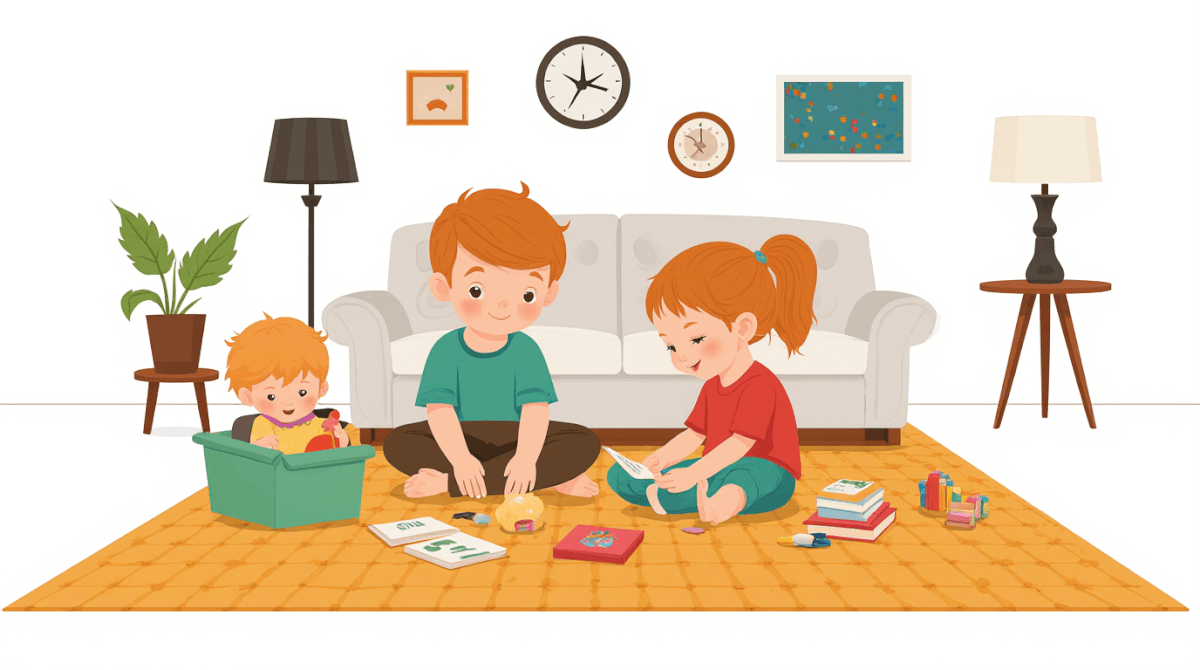
Emotional warmth plays a crucial role in building long-term trust within interpersonal relationships. This emotional warmth, which is the affectionate and caring behavior exhibited by adults towards children, can significantly influence the child’s ability to form secure attachments and trust in others. By examining how emotional warmth affects early experiences, we can understand its profound impact on shaping long-term trust.
From a young age, children are dependent on their caregivers for physical and emotional support. Caregivers who display emotional warmth through consistent affection, attention, and validation provide an environment where the child feels safe and secure. These positive interactions create a stable base from which the child can explore the world around them with confidence. When a parent soothes a crying infant or reads stories to a toddler, they are not just providing care; they are also reinforcing the idea that the child’s needs will be met and their emotions are valid.
The process through which emotional warmth builds long-term trust begins in early childhood. During this period, children develop attachment styles based on their interactions with caregivers. Securely attached children tend to have positive experiences with those around them, leading to a belief that others can be relied upon. This foundation is laid when parents consistently demonstrate emotional warmth and responsiveness. A child who regularly receives comforting hugs from their mother after falling and bruising their knee may come to view her as someone they can trust for support.
The presence of emotional warmth in early life experiences shapes how children perceive relationships throughout their lives. When a child feels emotionally secure with their primary caregiver, they are more likely to form similar positive bonds later on. This is because these initial interactions teach them that others will be dependable and trustworthy. If a young boy consistently receives affectionate attention from his father after school, he may carry this sense of trust into his future relationships, expecting those around him to provide emotional support in times of need.
The influence of emotional warmth extends beyond just the parent-child relationship. In educational settings, teachers who display emotional warmth can have a significant impact on students’ trust and academic performance. A teacher who listens attentively, shows empathy towards student concerns, and provides encouragement can create an environment where students feel valued and supported. This can lead to increased engagement in learning activities and improved overall well-being. When a teacher notices that a student is struggling with a particular subject, offering extra help or praise for their effort reinforces the idea that they are cared for and that success is achievable.
Another critical aspect of emotional warmth is its role in social interactions beyond family and school settings. When children grow up experiencing consistent emotional support from various caregivers, they develop a broader understanding of trustworthiness. This expanded view allows them to form deeper connections with peers and community members. A child who feels emotionally supported by multiple adults might be more likely to participate in group activities or volunteer work later in life, trusting that these experiences will provide positive outcomes.
It is important to note that emotional warmth does not guarantee perfect trust but rather sets the stage for healthy relationships. In some cases, children may encounter caregivers or situations that challenge their initial expectations of others’ reliability and kindness. When a child has been exposed to consistent emotional warmth, they are better equipped to navigate these challenges by seeking support from trusted individuals.
The impact of emotional warmth on long-term trust is also evident in romantic relationships. Individuals who experienced emotionally warm interactions during childhood tend to have higher levels of relationship satisfaction in adulthood. This can be attributed to their ability to recognize and appreciate the qualities that make a partner trustworthy, such as reliability and honesty. Adults who grew up with parents who consistently demonstrated emotional warmth are more likely to choose partners who exhibit similar traits.
The benefits of emotional warmth extend to mental health outcomes. Children who receive consistent emotional support from caregivers are at lower risk for developing anxiety or depression later in life. This is because they develop a sense of self-worth and resilience that helps them cope with stressors effectively. A child who feels emotionally secure may be better able to handle challenges such as academic pressures or social conflicts.
Emotional warmth is a critical factor in building long-term trust within interpersonal relationships. By providing consistent care, attention, and validation, caregivers help children develop secure attachment styles that shape their perceptions of others’ reliability and kindness. This process begins in early childhood and influences various aspects of development, including academic performance, social interactions, and mental health outcomes. As such, fostering emotional warmth should be a priority for parents, educators, and society at large to ensure the well-being and future success of individuals.
References:
– Bowlby, J. (1969). Attachment and loss: Vol. 1. Attachment. New York: Basic Books.
– Bretherton, I., & Waters, E. (1985). Secure bases conceptualizations in attachment theory and research. In M. Perlmutter (Ed.), Advances in infant research (Vol. 4, pp. 337–362). Westport, CT: Greenwood Press.



Be First to Comment