
Emotional validation plays a pivotal role in shaping identity through the lens of how individuals perceive themselves within their social and cultural contexts. When one’s emotions are recognized and acknowledged by significant others, it contributes to a positive sense of self-worth and guides the formation of personal values, beliefs, and behaviors that contribute to an individual’s overall identity. This essay will explore this mechanism in depth by analyzing how emotional validation shapes a person’s self-perception through early experiences with caregivers and peers.
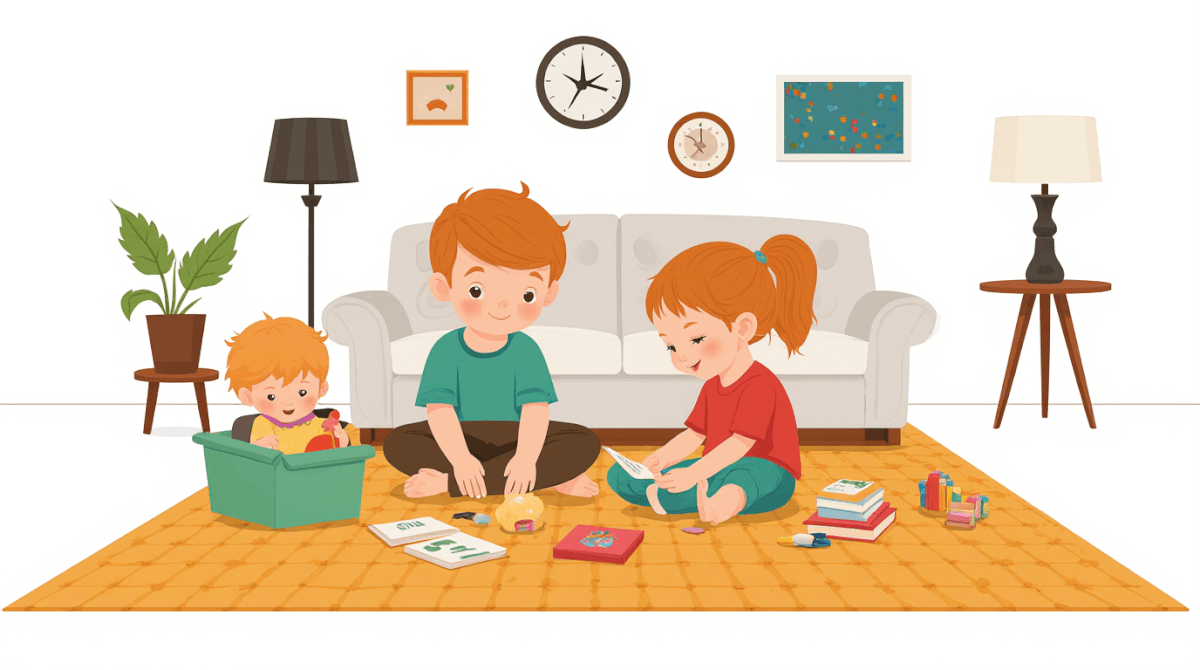
The process begins during infancy, where infants’ emotional responses are primarily shaped by their interactions with primary caregivers. When a child cries due to hunger or discomfort and the caregiver responds promptly, providing comfort and attention, this initial interaction sets the stage for future emotional validation. The child learns that her emotions matter and are important, leading to the development of secure attachment patterns. If such responses are delayed or ignored, the infant may internalize a message that their emotions are not valid or significant, potentially fostering insecurities and mistrust in relationships.
As children grow, this foundational understanding of emotional validation continues to influence their interactions with peers and other significant adults. When a child shares feelings about being nervous during a school presentation and receives supportive feedback from teachers and classmates, they begin to internalize these positive affirmations. Such experiences reinforce the belief that it is okay to have such emotions and encourage them to express themselves openly in future situations. Over time, this process of emotional validation can lead to an emerging sense of self-efficacy and resilience.
Emotional validation also intertwines with cultural norms and values, shaping how individuals interpret their own feelings within a broader societal context. In cultures that emphasize collectivism, where the group’s well-being is prioritized over individual needs, children might learn to suppress certain emotions to maintain harmony. In more individualistic societies, there may be greater encouragement for expressing personal feelings freely. These cultural influences can significantly impact how individuals perceive their emotional experiences and subsequently construct their identities.
The validation of emotions extends beyond immediate social interactions to include self-perception during adolescence and adulthood. Self-validation occurs when an individual believes they have the right to experience and express emotions according to their own values and beliefs. This process is crucial for identity formation as it allows individuals to assert their uniqueness in a world that often pressures them to conform. Someone who feels validated by friends for expressing anger about a social injustice might develop a stronger stance on advocacy, which contributes to a more cohesive sense of self.
The lack of emotional validation can have detrimental effects on identity development. Individuals who consistently receive invalidation may struggle with self-doubt and feel disconnected from their authentic selves. This can result in behaviors such as hiding emotions or adopting personas that align with societal expectations rather than personal values. A teenager might suppress feelings of sadness about losing a loved one to avoid being seen as weak by peers, leading to an internalized conflict between public behavior and private experience.
In the workplace, emotional validation plays a critical role in shaping professional identity. When employees feel their emotions are understood and respected by colleagues and superiors, they are more likely to engage fully with their work and contribute meaningfully. Those who face invalidation may experience burnout or disengagement due to chronic stress stemming from unrecognized emotional needs. An employee who consistently suppresses frustration at a demanding workload might eventually develop resentment that affects job satisfaction and performance.
The impact of emotional validation extends to personal relationships as well. In intimate partnerships, individuals who feel their emotions are acknowledged and valued by their partners are more likely to build strong, resilient connections based on mutual understanding and support. This can lead to enhanced communication and conflict resolution skills, contributing to a healthier relationship dynamic. Those in environments where emotional expression is discouraged may experience increased tension and misunderstandings, ultimately weakening the bond.
Emotional validation profoundly shapes identity through its influence on self-perception, social interactions, cultural norms, and professional settings. It fosters a sense of authenticity and belonging by validating individuals’ emotions as important components of their personal narratives. While the absence of such validation can lead to internal conflicts and disconnection, promoting environments where emotions are openly acknowledged and supported is essential for healthy identity development across all stages of life.
In summary, emotional validation plays a crucial role in shaping an individual’s sense of self by reinforcing the importance and legitimacy of one’s emotional experiences. Through early interactions with caregivers and ongoing relationships with peers and significant others, individuals learn to validate their emotions within social and cultural contexts. This process not only contributes to personal resilience but also influences professional engagement and intimate relationships. Recognizing and promoting emotional validation can therefore be seen as a cornerstone in the healthy development of identity across diverse life domains.
Related Reading
– Jonathan Haidt — The Coddling of the American Mind
– Peter Fonagy — Affect Regulation and Mentalization



Be First to Comment