
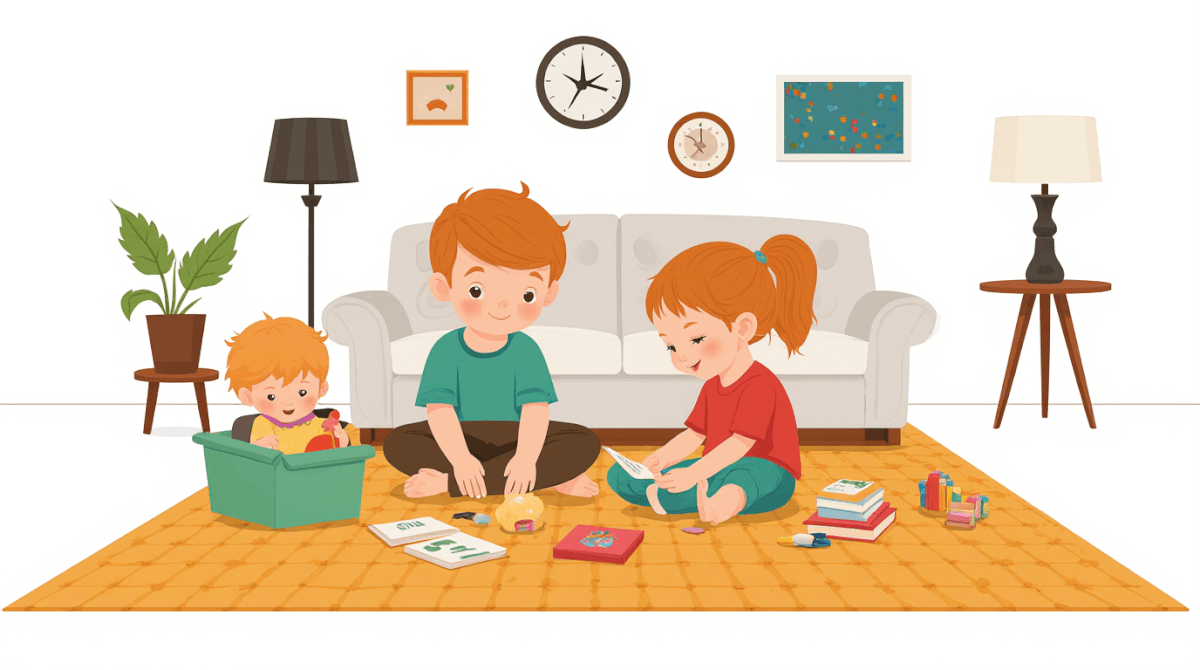
Emotional support plays a pivotal role in shaping long-term behavior through the reinforcement of emotional resilience and the establishment of healthy coping mechanisms. Individuals who receive consistent emotional support from their early environments are more likely to develop positive behavioral patterns that serve them well into adulthood. This essay will analyze how emotional support, by fostering secure attachment, enhances an individual’s ability to navigate challenges and form meaningful relationships in later life.
From a young age, children rely on the adults in their lives for both physical and emotional needs. The quality of this interaction sets the foundation for future emotional resilience. A securely attached child feels safe exploring the world because they have experienced consistent care and responsiveness from their caregivers. This sense of security allows them to internalize positive behaviors and coping strategies that are crucial throughout life.
When children experience emotional support, it often comes in the form of validation and understanding from caregivers. When a child falls and hurts themselves during playtime, an emotionally supportive caregiver listens to the child’s feelings, perhaps comforts them with a hug or a gentle word, and then helps them find ways to continue playing safely. This interaction teaches children that their emotions are valid and can be managed effectively.
Securely attached individuals tend to grow up believing they are worthy of love and support, which is fundamental in building resilience. They develop the ability to handle disappointments and failures without giving up because they know someone will provide comfort and guidance when needed. A child who has faced multiple setbacks at school but receives empathetic listening from their parents is more likely to persevere rather than withdraw or give up easily.
Emotional support influences long-term behavior by promoting healthy social interactions. Children who have learned to navigate emotions in positive ways are better equipped to form stable and supportive relationships with peers and adults. They can communicate their feelings effectively and resolve conflicts without resorting to aggression or withdrawal. An instance of this might be a young person who has experienced emotional support expressing their frustration over a misunderstanding with friends, leading to an open discussion that resolves the issue amicably.
The mechanism through which emotional support shapes long-term behavior is deeply rooted in the development of self-regulation skills. Self-regulation involves managing emotions and behaviors effectively, making decisions, and handling stress. When children receive consistent emotional support, they learn to identify and express their feelings appropriately, a skill that carries into adulthood. An emotionally supported teenager who feels anxious about exams can learn to channel this anxiety constructively by creating a study plan or talking to a trusted adult about their concerns.
Emotional support contributes to the development of empathy and compassion towards others. Individuals who grow up in environments where they receive and give emotional support are more likely to understand and care for the needs of those around them. This can manifest in various ways, such as volunteering at community centers or offering help to friends when they are going through tough times. A young adult who had received consistent emotional support may be more inclined to offer assistance to a colleague facing personal struggles.
The process by which this occurs is largely shaped by the interactions and experiences of early childhood. As children grow, these foundational behaviors and attitudes become ingrained in their personalities, influencing how they perceive themselves and others throughout life. The supportive environment provided during these formative years helps individuals develop a healthy sense of self-worth and the ability to form meaningful connections with others.
A lack of emotional support can lead to negative long-term outcomes. Children who grow up without this essential care are more likely to struggle with trust issues, low self-esteem, and difficulties in forming stable relationships. They may also exhibit behaviors such as aggression or withdrawal when faced with challenges, which can hinder their ability to cope effectively.
A child who is often ignored by their parents might develop into an adult who has trouble expressing emotions openly or seeking help when needed. This could lead to isolated behavior and difficulty in building relationships, both of which are crucial for emotional well-being and overall success in life.
The continuous provision of emotional support throughout childhood plays a critical role in shaping long-term behavior by fostering secure attachment, promoting self-regulation skills, and encouraging empathetic interactions. These elements work together to create a resilient individual who can navigate various challenges with grace and determination. While the mechanisms through which this occurs are complex, it is clear that early experiences and emotional support lay the groundwork for healthy development and positive outcomes in adulthood.
In summary, the role of emotional support in shaping long-term behavior is evident in its ability to promote resilience, self-regulation, and empathy—all of which contribute significantly to an individual’s overall well-being and success.


Be First to Comment