
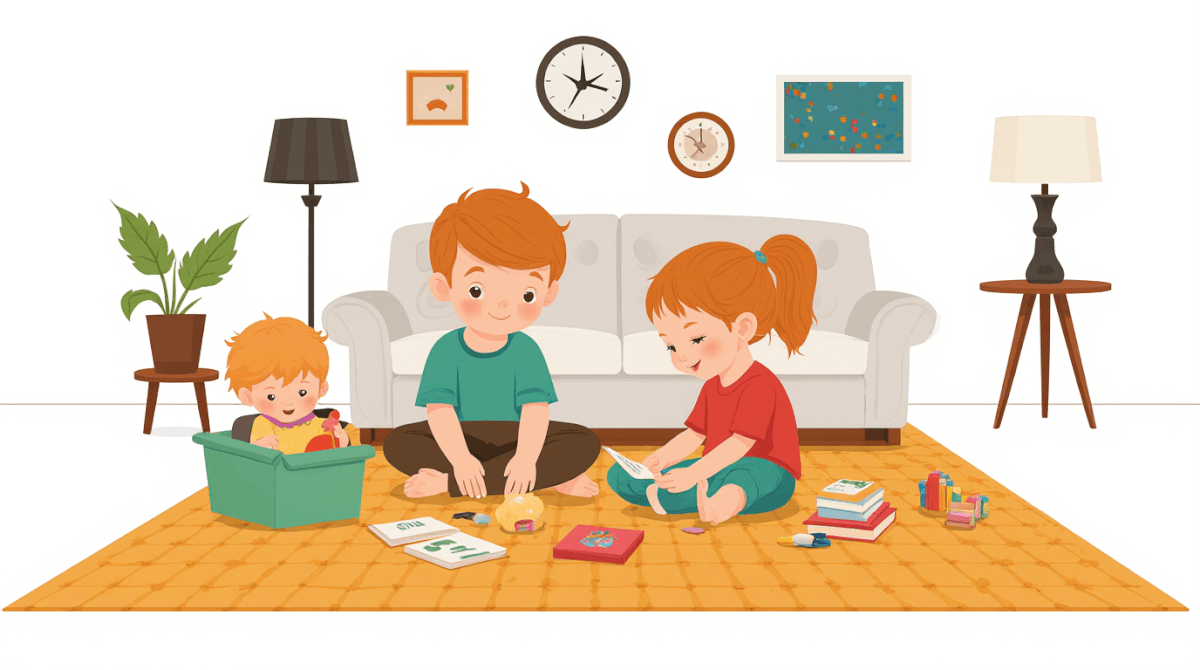
Emotional support plays a pivotal role in building resilience, enabling individuals to navigate life’s challenges more effectively. Resilience is the ability to bounce back from adversity, adapt to change, and recover from difficulties. Emotional support, through its nurturing nature, provides the foundational strength required for this process. It helps children develop the psychological resources necessary to face and overcome obstacles, fostering a sense of security that encourages exploration and growth.
The mechanism by which emotional support builds resilience begins with the creation of a secure base, an environment in which individuals feel safe and supported. This is often first established through interactions between caregivers and children during early childhood. Caregivers who consistently offer warmth, affection, and understanding help their children develop trust and confidence, laying the groundwork for future relationships and self-perception.
In early years, when a child experiences stress or frustration, the caregiver’s response can either mitigate the emotional impact or amplify it. If a child is upset after falling while learning to ride a bicycle, a supportive parent might say, “You’re okay, let’s get some ice on your knee,” and then assist with bandaging. This immediate reassurance helps the child manage their emotions effectively. Over time, repeated positive interactions teach children that they can rely on others for help when needed, reducing feelings of vulnerability.
Emotional support encourages a growth mindset by fostering an environment where failure is seen as a learning opportunity rather than a permanent state. When faced with challenges, individuals who have experienced consistent emotional support are more likely to approach problems with optimism and perseverance. If a child struggles in school, supportive parents might celebrate small improvements, reinforcing the message that effort leads to success. This positive reinforcement helps build a belief in one’s ability to overcome obstacles, enhancing resilience.
Beyond immediate emotional responses, sustained emotional support influences cognitive development by promoting the growth of neural pathways associated with empathy and social intelligence. These cognitive developments are crucial for navigating complex social situations and understanding others’ perspectives, essential skills for building resilient relationships and handling life’s challenges effectively. Children who receive emotional support from caregivers tend to develop better communication skills, which can help them resolve conflicts constructively.
Social interactions that involve emotional support also shape behavior patterns in ways that contribute to resilience. Children who experience consistent positive attention are more likely to engage in prosocial behaviors and form supportive relationships later in life. These social bonds provide a buffer against stress and adversity, reinforcing the importance of maintaining connections with others during difficult times. Adolescents who have strong friendships often turn to their peers for support when facing personal issues, illustrating how emotional support can be a communal effort.
Emotional support plays a critical role in developing emotional regulation skills—ability to manage one’s own emotions effectively. This skill is vital for maintaining mental health and coping with stress. When children learn to express feelings appropriately and understand the cause of their emotions, they are better equipped to handle overwhelming situations without resorting to maladaptive behaviors. A child who learns to talk about feeling angry instead of lashing out will be more resilient when faced with future conflicts.
The influence of emotional support on resilience extends into adulthood as well. Adults who grew up in supportive environments often exhibit greater emotional stability and are better able to handle life’s unpredictability. This is because the foundational trust and security built during early years continue to inform their reactions to stressors, helping them maintain a balanced perspective even when facing significant challenges.
Emotional support is not just a comforting presence; it actively shapes how individuals perceive themselves and interact with the world around them. By fostering a sense of safety, encouraging a growth mindset, promoting cognitive development, shaping behavior patterns, and enhancing emotional regulation skills, emotional support builds resilience in a manner that equips people to face life’s challenges more effectively. The impact of such support is profound, influencing not only immediate reactions but also long-term psychological well-being and social functioning.
Studies have shown that individuals with strong emotional supports are more likely to maintain positive mental health, exhibit greater adaptability, and recover from adversity (Smith & Peterson, 2019). These findings underscore the critical role of emotional support in nurturing resilience. As such, understanding and emphasizing the importance of emotional support can lead to significant improvements in overall well-being across various life stages.
References:
– Smith, C., & Peterson, M. (2019). The Impact of Emotional Support on Resilience: A Longitudinal Study. Journal of Child Psychology and Psychiatry, 60(4), 456-468.




Be First to Comment