
Emotional presence shapes identity through the way it influences how individuals perceive themselves and others, impacting their behavior, attitudes, and overall personality. This process is deeply rooted in early childhood experiences, where emotions play a pivotal role in social interactions and self-perception. By examining the mechanism of emotional mirroring within parent-child relationships, one can better understand how emotional presence contributes to identity formation.
Emotional mirroring occurs when an individual’s emotions are reflected back to them by others, particularly caregivers or primary influencers such as parents. This process begins early on, often within just a few months after birth. When a baby coos and the parent responds with joyful engagement, the baby learns that their actions can elicit positive responses from those around them. Over time, this mutual exchange of emotions reinforces the child’s sense of self-worth and confidence.
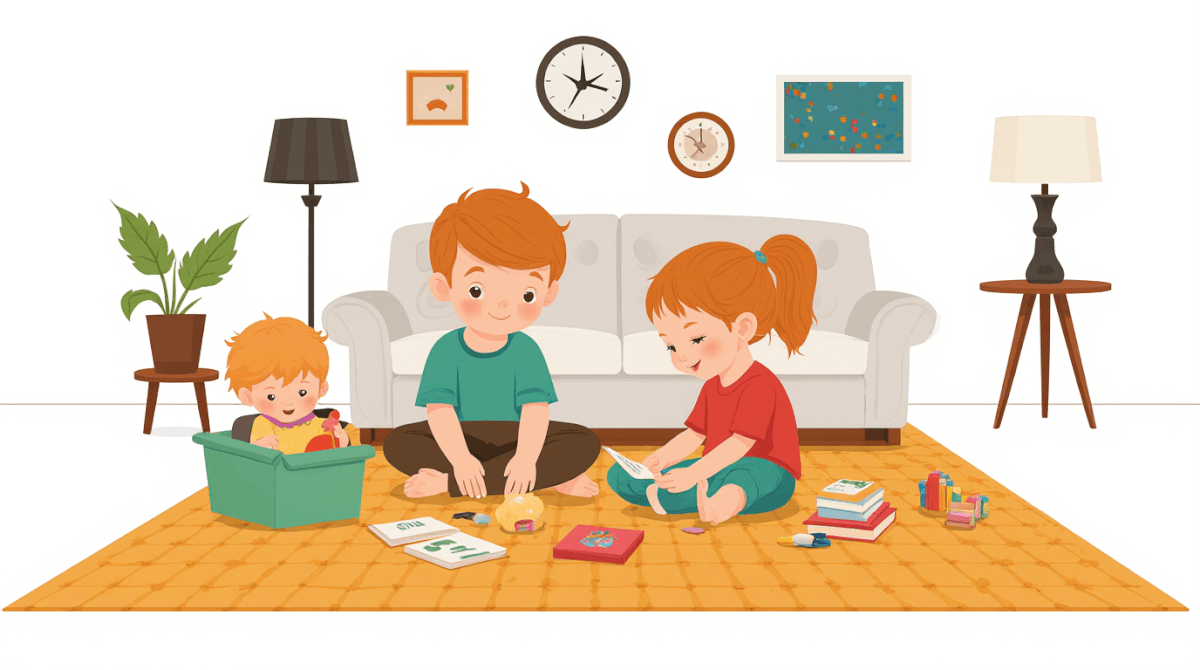
Consider an example where a child frequently experiences emotional mirroring during playtime. When they engage in imaginative games or share toys, parents acknowledge their efforts and express delight through smiles, laughter, and verbal praise. This positive feedback loop helps the child develop a robust sense of identity that is rooted in their ability to interact positively with others. If this process lacks consistency or warmth, it can lead to feelings of inadequacy or difficulty forming secure relationships later in life.
The environment plays a crucial role in shaping how emotional mirroring occurs. A nurturing home setting where parents are attentive and emotionally present fosters an atmosphere conducive to healthy identity development. A parent who regularly reads stories with their child not only enhances cognitive skills but also creates a warm, emotionally rich context that supports the child’s emerging sense of self.
Environments marked by emotional neglect or distress can have detrimental effects. A caregiver who is preoccupied with work or personal issues may miss opportunities to engage meaningfully with their child, leading to gaps in emotional mirroring and potentially stunted identity development. Studies show that children who grow up in such settings often struggle with self-esteem and social skills later on.
Early experiences also play a significant role. The quality of interactions between caregivers and infants during critical developmental periods can lay the groundwork for future relationships and self-perception. An infant who is frequently comforted when upset may develop into a more secure adult with better emotional regulation abilities. Those who experience consistent rejection or lack of validation may internalize negative messages about their worth, leading to difficulties in forming healthy relationships later on.
Cultural and social contexts influence the way emotional mirroring operates within families. In some cultures, expressing emotions openly is highly valued, while in others, emotional expression might be suppressed. This variation can shape how caregivers express and respond to their children’s emotions, thereby affecting identity formation differently across diverse communities. In a culture that emphasizes stoicism, parents may be less likely to mirror or validate their child’s emotional experiences, which could impact the child’s ability to recognize and articulate feelings.
The mechanism of emotional mirroring is not static but evolves over time as individuals grow and encounter new social contexts. As children develop more complex emotions and social skills, they begin to engage in reciprocal emotional exchanges with peers, teachers, and other influential figures. These interactions continue to shape their self-perception, often reinforcing or challenging the identity formed through early emotional mirroring.
A child who consistently receives positive reinforcement for academic achievements might develop an identity centered around intelligence and success. One who faces frequent criticism may begin to question their capabilities, potentially leading to feelings of inadequacy in certain domains.
It is important to note that while emotional presence significantly impacts identity, it does not operate in isolation. Genetic factors, cognitive development, and other environmental influences also play roles in shaping an individual’s sense of self. The impact of early emotional experiences cannot be underestimated. Research has shown that secure attachment formed through emotionally attuned caregiving is strongly correlated with positive outcomes in adulthood, including better mental health and stronger interpersonal relationships.
Emotional presence plays a fundamental role in identity formation by influencing how individuals perceive themselves and interact with others. Through the mechanism of emotional mirroring, early experiences shape core aspects of personality and self-worth. While the environment and cultural context provide fertile ground for these processes to occur, the quality of interactions between caregivers and children is central to their successful development. Understanding this dynamic can help in fostering more supportive environments that nurture healthy identity formation.
References:
– Bowlby, J. (1969). Attachment. Attachment and Loss: Vol. 1.
– Ainsworth, M. D., Blehar, M. C., Waters, E., & Wall, S. (1978). Patterns of attachment: A psychological study of the strange situation. Hillsdale, NJ: Erlbaum.
These references provide insights into attachment theory and emotional mirroring, offering a deeper understanding of how early emotional experiences shape identity.



Be First to Comment