
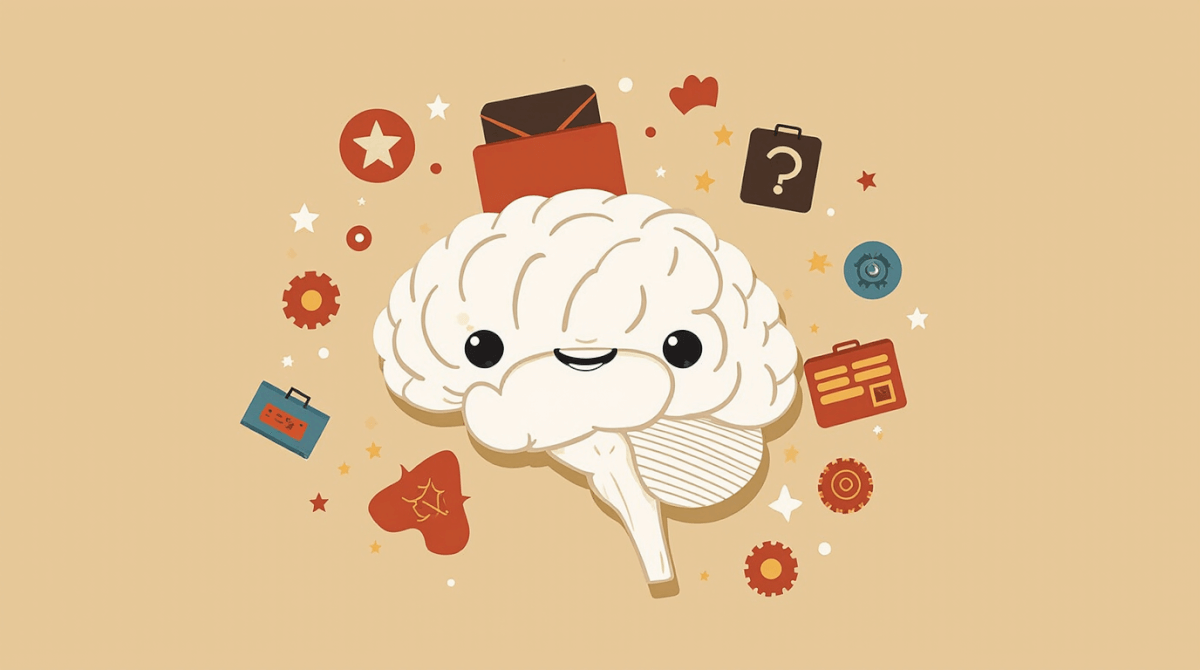
Early experiences lay the foundation for how we perceive and interact with the world. The mind, in its formative years, is particularly malleable, influenced by the environment, relationships, and events that shape mental patterns. These early impressions can deeply affect our emotional responses, stress reactions, and overall psychological well-being. Understanding these processes requires a journey through the intricate layers of human psychology, emotion, and social interaction.
From a psychological perspective, early experiences can be categorized into several key areas: attachment, family dynamics, parental behavior, and cultural influences. Each area contributes uniquely to the shaping of mental patterns. Secure attachment, often formed in the first few years of life, provides a stable base for future relationships. Children who experience consistent care and emotional support from caregivers tend to develop a sense of safety and trust, which can translate into healthier interpersonal interactions as adults.
Insecure attachments—such as those marked by neglect or abuse—can lead to patterns of anxiety, avoidant behaviors, or dependency. These early experiences influence how individuals interpret social cues and emotional signals, potentially leading to difficulties in forming and maintaining relationships later in life. The brain, during these formative years, is particularly sensitive to stress hormones like cortisol, which can alter neural pathways, affecting emotional regulation and resilience.
Emotionally, early experiences often mold core beliefs about oneself and the world. A child who grows up in an environment where success is frequently linked to perfectionism may develop a rigid self-image that demands constant achievement. Such a mindset can lead to heightened stress levels, as the individual feels perpetually under pressure to meet unrealistic standards. A nurturing environment can foster resilience and adaptability, allowing individuals to handle challenges more effectively.
Stress, a ubiquitous aspect of life, is also shaped by early experiences. Children who witness or experience significant stressors—such as parental conflicts or traumatic events—may develop heightened sensitivity to stress triggers. This increased reactivity can manifest in various ways, including anxiety disorders, chronic stress, and even physical health problems. The brain’s amygdala, responsible for processing emotions and responses to threats, may become more vigilant, leading to a state of hyperarousal that impacts decision-making and emotional regulation.
Inner psychological patterns, such as schemas and cognitive distortions, also emerge from early experiences. Schemas are mental frameworks that organize our understanding of the world. They develop based on initial life experiences and can significantly influence how we interpret current events. A schema rooted in childhood trauma may lead an individual to constantly seek validation or fear abandonment, even in healthy relationships.
Cognitive distortions, common manifestations of early experiences, include all-or-nothing thinking, overgeneralization, and catastrophizing. These patterns can skew perceptions, leading to exaggerated fears or overly pessimistic views. Over time, these distortions can create a negative feedback loop, where negative thoughts perpetuate stress and anxiety.
Socially, early experiences shape how we interact with others. Children learn social norms and behaviors from their caregivers and broader social context. This learning is often unconscious but profoundly influential. Those who grow up in collectivist cultures may prioritize group harmony and cooperation over individual achievement, while those from individualistic backgrounds might emphasize personal autonomy and self-expression.
The role of culture in shaping mental patterns cannot be understated. Cultural values, norms, and expectations are internalized early on, influencing everything from communication styles to problem-solving strategies. Cultural experiences can either reinforce or challenge existing mental patterns, creating opportunities for growth and adaptation. Cultural conflicts or mismatches can also lead to identity crises and social anxiety.
Early experiences profoundly shape the mind and emotional health in ways that are often subtle yet enduring. The brain’s plasticity during childhood means that initial impressions and interactions leave lasting imprints on how we process emotions, perceive stress, and navigate relationships. Understanding these processes helps us appreciate the complexity of human psychology and the far-reaching impacts of early life experiences. While these patterns can be challenging to change, acknowledging their origins and exploring alternative perspectives offers a pathway toward greater self-awareness and emotional well-being.



Be First to Comment