
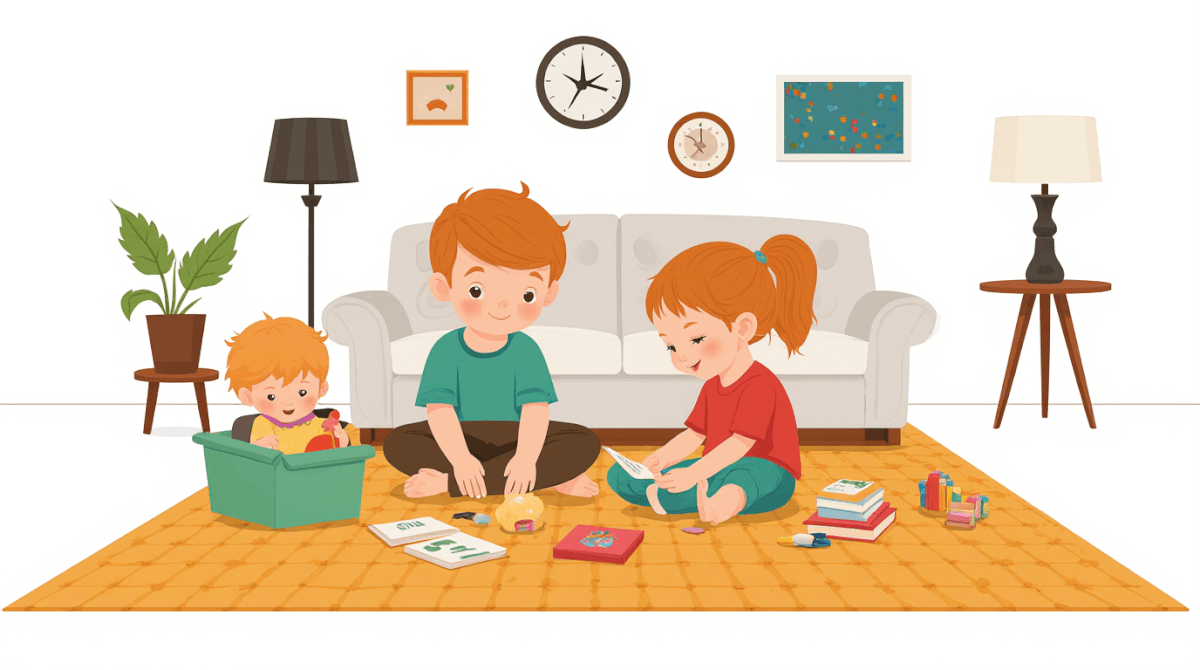
Emotional maturity is not a static trait but rather a dynamic process influenced significantly by early experiences and the social environment. These initial interactions form the foundation upon which emotional resilience, self-awareness, empathy, and interpersonal skills are built. This essay explores how these early experiences impact emotional development through the lens of attachment theory, focusing on the relationship between caregivers and children.
Attachment theory posits that infants and young children develop a close bond with their primary caregiver, which is crucial for healthy emotional growth. This bond serves as a secure base from which children can explore the world and form relationships later in life. A child’s first attachment experience sets the stage for future emotional maturity by shaping expectations about how others will react to them and how they should behave in social situations.
Consider a scenario where a baby, let’s call her Lily, is consistently held and comforted when she cries. Over time, this early interaction helps Lily develop trust, understanding that adults can be relied upon to meet her needs. This secure base allows Lily to explore her environment more confidently because she feels safe knowing someone will return if she encounters challenges. Such experiences foster emotional resilience and self-assuredness—traits integral to emotional maturity.
A child who frequently receives inconsistent or dismissive responses from caregivers may struggle with forming stable emotional connections. Imagine another baby named Max, whose needs are sometimes ignored by his caregiver. Over time, this inconsistency can lead to an insecure attachment style where Max might become anxious and unsure of how others perceive him. Such early experiences can result in difficulties in understanding and expressing emotions appropriately in various social contexts.
The quality of the relationship between a child and their primary caregivers directly influences the development of these emotional skills. When caregivers provide consistent support and validation for a child’s feelings, such as acknowledging sadness or happiness with warmth and attentiveness, they are teaching emotional awareness—understanding what one feels and why. This is foundational to mature emotional regulation and expression.
Early experiences shape not only how children perceive themselves but also their expectations of others in social interactions. Securely attached children like Lily often grow up believing that relationships can be positive and trusting. They learn to empathize with others’ feelings, a key component of emotional maturity. Insecurely attached children may find it harder to trust or understand others, potentially leading to conflicts in friendships and romantic relationships later on.
The impact of these early experiences extends beyond individual relationships into broader social contexts. When children like Lily learn to navigate their emotions through secure attachments, they are better equipped to handle the complexities of school environments where they must interact with peers and teachers. They can form meaningful friendships based on mutual respect and understanding. Insecurely attached children might struggle in group settings due to their difficulty in trusting others or managing conflicts.
Emotional maturity also involves self-regulation—the ability to manage one’s own emotions effectively. Early experiences that include guidance from caregivers teach children when it is appropriate to express emotions openly versus when they should be more reserved. A caregiver might model the use of calming techniques during stressful situations, helping a child develop skills like deep breathing or counting to ten before reacting emotionally.
The role of culture and social norms also plays a significant part in shaping emotional maturity. Different cultures have varying expectations for emotional expression and regulation. In some societies, it is considered acceptable to openly display emotions, while in others, restraint might be more valued. Early experiences within these cultural contexts mold how individuals perceive themselves and their place within the broader society.
Additionally, early experiences with caregivers also influence a child’s ability to form and maintain long-term relationships. Securely attached children tend to develop healthier romantic partnerships as adults because they have learned trust and healthy communication patterns from their primary caregivers. Insecure attachments might result in difficulties in trusting partners or unresolved issues that can impact relationship satisfaction.
The importance of these early experiences extends even into professional settings. Emotional maturity is crucial for success in various career paths, especially those involving teamwork and client interaction. A person who has learned to manage their emotions effectively in personal relationships will likely be better equipped to handle stress at work or address customer concerns with empathy and understanding.
The early experiences a child has significantly shape their emotional maturity through the lens of attachment theory. These interactions form the foundation for how they perceive themselves, others, and navigate social situations. While every individual’s journey is unique, the influence of these early relationships cannot be overstated. By fostering secure attachments from an early age, we can help children develop into emotionally resilient adults who are capable of forming meaningful connections and contributing positively to their communities.
References:
Bowlby, J. (1969). Attachment. London: Hogarth Press.
Ainsworth, M. D. S., Blehar, M. C., Waters, E., & Wall, S. (1978). Patterns of attachment: A psychological study of the strange situation. Hillsdale, NJ: Erlbaum.
Related Reading
– Peter Fonagy — Affect Regulation and Mentalization
– Daniel J. Siegel — Parenting from the Inside Out




Be First to Comment