
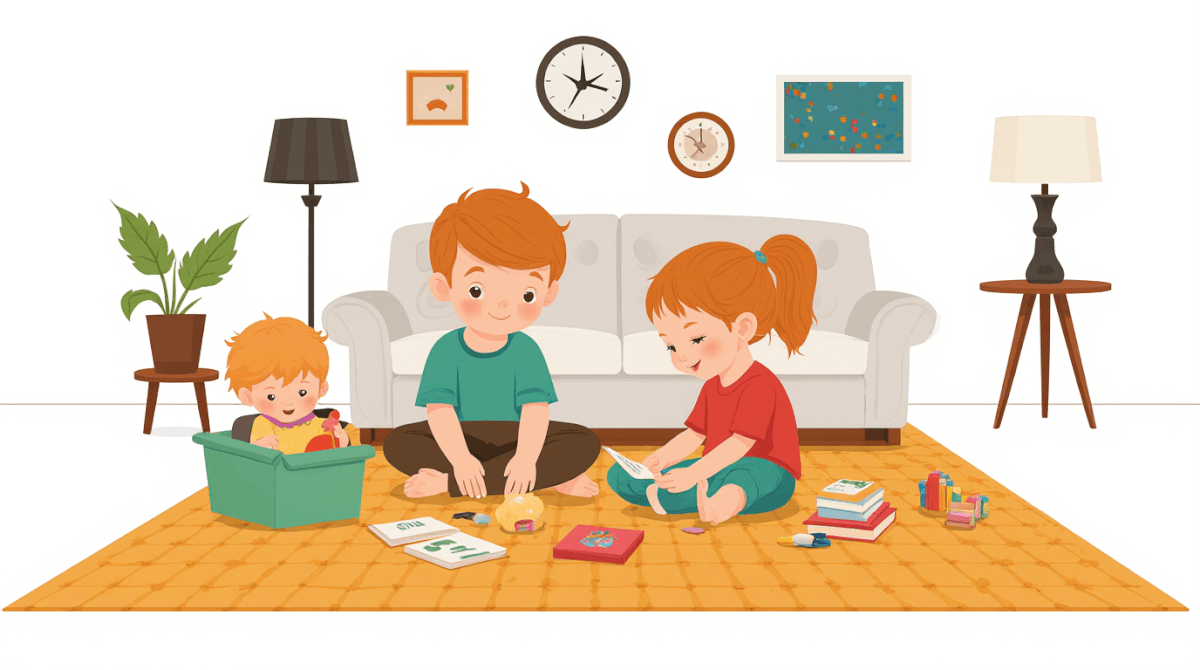
Daily support shapes social skills through interactions that occur naturally within the daily life of a child. This thesis posits that regular, consistent, and varied interactions with family members, peers, and community contribute significantly to the development of social competencies such as communication, empathy, cooperation, and conflict resolution. These everyday experiences are integral in how children learn to navigate their social environment and understand the nuances of human relationships.
In a typical scenario, a child’s morning routine can include breakfast at home with family members. During this time, children often engage in conversations about their day, share stories, or discuss plans for the future. Such interactions provide a platform for developing verbal communication skills, active listening, and the ability to maintain eye contact—all crucial elements of effective social interaction. When a child practices recounting events from school to parents, they not only enhance their vocabulary but also learn how to structure narratives in ways that resonate with others.
The environment in which these interactions take place plays a pivotal role in shaping social skills. A supportive and inclusive home atmosphere encourages children to open up about their feelings and experiences. This can lead to enhanced emotional intelligence as children learn to recognize and manage their emotions while also understanding the perspectives of others. If a child is feeling upset because they were left out during recess, parents might encourage them to express these feelings and discuss potential solutions with siblings or friends.
School environments are equally vital in shaping social skills. Daily interactions at school provide children with opportunities to practice empathy and cooperation. During group projects, students often work together to complete tasks. These collaborative experiences teach children about the importance of teamwork, compromise, and mutual respect. When conflicts arise, teachers can act as mediators or facilitate discussions that help students learn how to resolve disputes amicably. This process is not only beneficial in school settings but also helps prepare children for future social interactions beyond their academic years.
Community involvement is another significant factor in the development of social skills. Engaging in community activities such as neighborhood clean-ups, sports teams, or youth clubs allows children to interact with a diverse group of peers. These experiences foster a sense of belonging and shared responsibility, essential components of strong social bonds. Participating in a soccer league can teach children about following rules, respecting others, and the joy of teamwork—skills that are transferable to various other aspects of their lives.
Daily support also involves subtle, yet impactful, actions such as role modeling appropriate behavior. Parents who engage in respectful conversations with each other or friends demonstrate effective communication skills for their children. Similarly, when parents actively listen to their children’s concerns and validate their emotions, they reinforce the importance of empathy and understanding. These behaviors become internalized over time and influence how children interact with others.
Daily routines that encourage social engagement can significantly enhance a child’s ability to form friendships and maintain relationships. Regular family outings or community events provide natural settings for building connections with others. Children who regularly attend these activities are more likely to develop strong social networks because they have consistent opportunities to practice interaction skills in different contexts.
It is important to note that the impact of daily support on social skill development varies based on individual circumstances. Factors such as family dynamics, peer relationships, and access to community resources can significantly influence how effectively children integrate these skills into their behavior. A child from a large family might have more opportunities for varied interactions compared to one from a smaller household. Similarly, children with older siblings may benefit from additional social guidance during formative years.
The mechanism through which daily support shapes social skills is multifaceted and deeply embedded in everyday life. The consistent interaction within familial, school, and community environments provides crucial opportunities for children to practice and refine their social competencies. These interactions not only enhance communication and empathy but also foster cooperative behaviors and conflict resolution strategies—skills that are essential for successful interpersonal relationships throughout one’s lifetime.
References:
1. Bandura, A. (2001). Social Cognitive Theory: An Agentic Perspective. *Annual Review of Psychology*, 52(1), 1-26.
2. Slade, P., & Whitehouse, G. (2010). The Development and Maintenance of Peer Relationships in Children. *Child and Adolescent Mental Health*, 15(3), 143-148.



Be First to Comment