
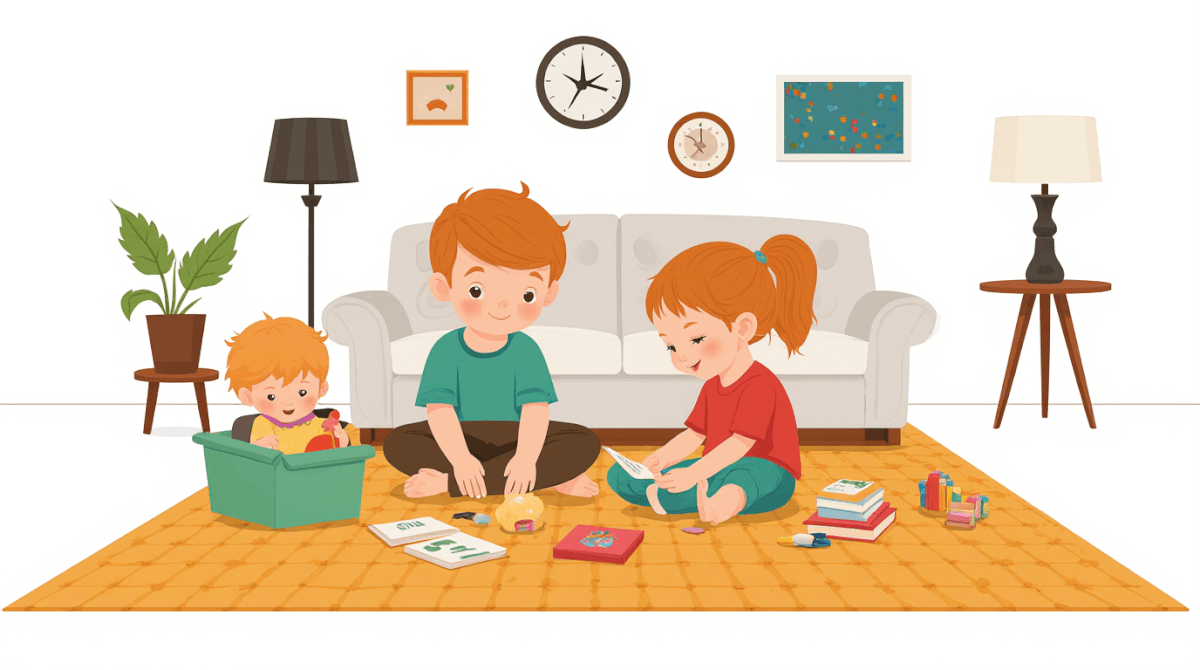
Daily interactions play a fundamental role in shaping emotional growth. By forming a unique bond with the world around them, individuals learn to process emotions, understand social norms, and develop a sense of self. These everyday engagements occur not only within the family but also extend into broader social networks and community settings. As children engage with various people, they are exposed to different reactions, opinions, and attitudes that help shape their emotional intelligence and resilience. This essay will explore how daily interactions influence emotional growth by focusing on the role of positive reinforcement in fostering a secure base and enhancing self-esteem.
The process of emotional growth begins early in life when infants establish meaningful connections with caregivers. These early relationships lay the foundation for all future social experiences, setting the stage for developing healthy emotional responses. When children are consistently met with affectionate and supportive interactions, they begin to form a secure attachment. Securely attached children feel safe exploring their environment because they have a reliable base from which to operate. This sense of security enables them to take on new challenges and experience emotions without fear of abandonment or rejection.
To understand the impact of positive reinforcement, it is essential to recognize its role in creating a supportive emotional climate. Positive interactions often involve praising a child’s efforts, acknowledging their achievements, and showing interest in their activities. When a parent recognizes a child’s attempt at tying shoelaces by saying “That was great! You’re really working hard,” they are reinforcing the importance of perseverance and effort. Such positive reinforcement not only boosts confidence but also teaches children to seek out similar emotional validation from others. Over time, these experiences shape a child’s self-perception, influencing how they view themselves in relation to their environment.
Positive reinforcement is particularly powerful when it comes to enhancing self-esteem. Self-esteem refers to an individual’s overall sense of worth and self-worth. It develops through repeated positive experiences that affirm one’s capabilities and value as a person. A child who receives praise for helping with household chores or making friends at school will internalize these positive messages, leading to higher self-esteem levels. High self-esteem is crucial because it provides the psychological foundation needed to navigate social challenges and make decisions based on intrinsic values rather than external validation.
Daily interactions that involve positive reinforcement help in developing emotional resilience. Emotional resilience refers to an individual’s ability to bounce back from adversity or negative experiences. When children are regularly exposed to supportive environments where they can share their feelings without judgment, they learn coping mechanisms for dealing with stress and disappointment. If a child faces a setback in school, such as not understanding a concept, positive interactions from teachers and peers who offer encouragement and assistance can help them process the challenge constructively. This process of facing difficulties and emerging stronger fosters resilience, enabling children to face future obstacles with greater confidence.
Negative interactions can have detrimental effects on emotional growth if they are frequent or intense. Criticism, neglect, and lack of validation can undermine a child’s self-esteem and create anxiety about their capabilities. A parent who frequently criticizes their child’s mistakes without acknowledging successes may inadvertently lower the child’s self-worth. Similarly, environments that lack emotional support during critical developmental stages can lead to feelings of insecurity and difficulty in forming secure attachments later in life.
The role of positive reinforcement extends beyond immediate interactions; it also shapes future social dynamics. Children who grow up with consistent positive reinforcement are more likely to engage in reciprocal supportive relationships as they mature. They learn to value others’ emotions and respond empathetically, fostering a sense of community and cooperation. This social competence is crucial because it helps individuals navigate complex interpersonal situations effectively, reducing the likelihood of conflict and enhancing overall well-being.
Daily interactions within diverse social contexts further enrich emotional growth. Engaging with peers from different backgrounds exposes children to various perspectives and values, promoting empathy and understanding. A child who plays in a multicultural neighborhood may learn to appreciate differences and find common ground, developing broader emotional intelligence. These experiences contribute to forming a more inclusive worldview, which is essential for navigating an increasingly interconnected world.
Daily interactions significantly shape emotional growth by fostering secure attachments, enhancing self-esteem, building resilience, and promoting social competence. Positive reinforcement through supportive and validating interactions serves as the cornerstone of this process, providing children with the necessary tools to navigate their emotions healthily and constructively. While negative interactions can hinder these developments, a predominantly positive environment nurtures emotional well-being and prepares individuals for life’s challenges.
References:
Grossmann, K., & Grossmann, K. E. (2019). The role of attachment in the development of self-regulation. *Developmental Review*, 52, 74-86.
Cox, M. J., & Murray, L. B. (2013). Self-esteem and social relationships: A review and integration. *Clinical Psychology Review*, 33(7), 914-924.




Be First to Comment