
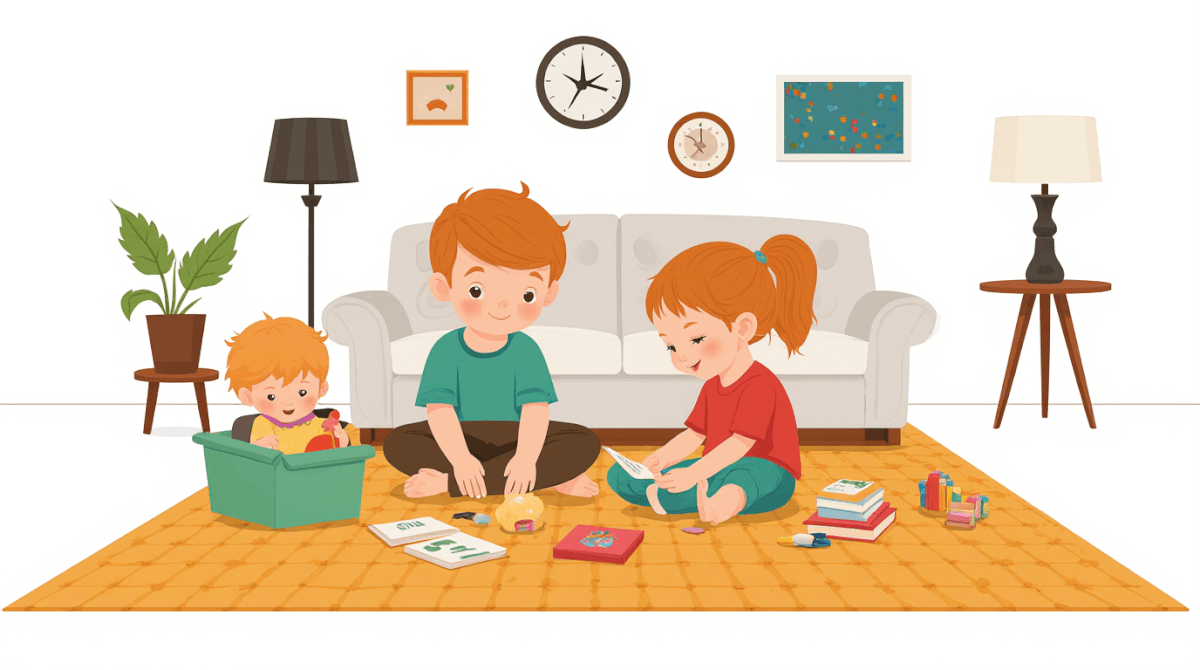
Daily emotional support shapes a child’s future through its profound impact on their ability to form healthy relationships, manage emotions effectively, and develop resilience. This continuous nurturing not only fosters the psychological well-being of children but also influences their social interactions and academic performance, ultimately setting the stage for successful adult life. Emotional support acts as the bedrock upon which a child’s emotional intelligence is built, allowing them to navigate the complex social landscape they encounter throughout their development.
Emotional support can be seen in various forms, such as when a parent listens attentively to a child’s concerns or when a teacher provides encouragement during difficult tasks. These interactions are critical because they teach children how to recognize and articulate emotions, which is foundational for emotional intelligence (EI). When a young child expresses fear about starting school, an empathetic adult might say, “I know you’re feeling nervous, but I am here with you every step of the way.” This interaction not only validates the child’s feelings but also demonstrates appropriate ways to handle anxiety. Over time, such experiences build a strong emotional foundation that enables children to approach new challenges with confidence and empathy.
The process by which daily emotional support shapes a child’s future is deeply intertwined with their early social and cultural environments. Research indicates that supportive interactions contribute significantly to the development of secure attachment, a key element in forming healthy relationships (Ainsworth et al., 1978). Securely attached children are more likely to develop positive self-concepts, which can lead to better academic performance and interpersonal skills. A child who feels understood by their caregiver is more inclined to share ideas freely with peers and teachers, leading to greater engagement in the classroom and a deeper understanding of subject matter.
Emotional support plays a crucial role in teaching children how to manage stress and adversity. When faced with challenges such as academic pressures or social conflicts, children need strategies to cope effectively without becoming overwhelmed. Emotional support provides these tools by demonstrating healthy ways to handle emotions. A parent who responds calmly when their child is upset about a friendship issue might say, “It’s okay to feel sad; let’s talk about it and find a solution together.” Such responses help children develop problem-solving skills and resilience, essential for navigating life’s obstacles.
The influence of emotional support extends beyond immediate interactions into the broader cultural context in which children grow up. Cultural norms and values often shape how emotional support is expressed and received. In many cultures, open displays of emotion are encouraged, fostering an environment where children feel comfortable expressing their feelings freely (LeVine et al., 2014). In some Indigenous communities, storytelling sessions not only entertain but also provide a platform for discussing emotions and social issues openly. This practice helps children understand the complexities of human experience and develop empathy towards others.
The impact of daily emotional support on a child’s future is evident in their ability to form and maintain meaningful relationships throughout life. Children who receive consistent emotional support are more likely to have strong, supportive friendships and romantic partnerships later in life. A teenager who has learned to manage emotions through daily interactions with parents or teachers will be better equipped to handle the complexities of peer relationships. They can communicate effectively, show empathy towards others’ feelings, and resolve conflicts constructively, leading to healthier long-term relationships.
Emotional support significantly influences academic performance by fostering a positive attitude toward learning. Children who feel supported are more likely to engage in educational activities with enthusiasm and curiosity. A supportive teacher might praise a student’s effort rather than solely focusing on outcomes, which can boost self-esteem and motivation. If a child struggles with reading, an encouraging teacher might celebrate small victories like mastering new words or understanding plot twists in stories. Such encouragement reinforces the belief that persistence pays off, leading to better academic achievements.
The role of emotional support in shaping future success is also evident in how it prepares children for professional life. Emotional intelligence skills acquired through daily interactions are highly valued in many workplace environments. A manager who can empathize with employees’ concerns and provide constructive feedback effectively creates a positive work environment (Goleman, 1995). Similarly, professionals who have learned to handle stress and communicate effectively tend to be more productive and successful.
Daily emotional support is crucial in shaping a child’s future by influencing their ability to form healthy relationships, manage emotions, develop resilience, and perform academically. Through consistent nurturing interactions, children learn valuable life skills that extend far beyond childhood into adulthood. Cultural contexts also play a significant role, shaping the expression and reception of emotional support. By recognizing the importance of daily emotional support, society can work towards creating environments that foster psychological well-being and prepare children for future success.
References:
Ainsworth, M. D., Blehar, M. C., Waters, E., & Wall, S. (1978). Patterns of Attachment: A Psychological Study of the Strange Situation. Erlbaum.
Goleman, D. (1995). Emotional Intelligence: Why It Can Matter More Than IQ. Bantam Books.
LeVine, R. A., Avenancio-Reyes, M., & Yamauchi, T. (2014). Cross-Cultural Perspectives on Parenting and Child Development. Cambridge University Press.
Related Reading
– Urie Bronfenbrenner — The Ecology of Human Development
– Michael Rutter — Resilience in Children



Be First to Comment