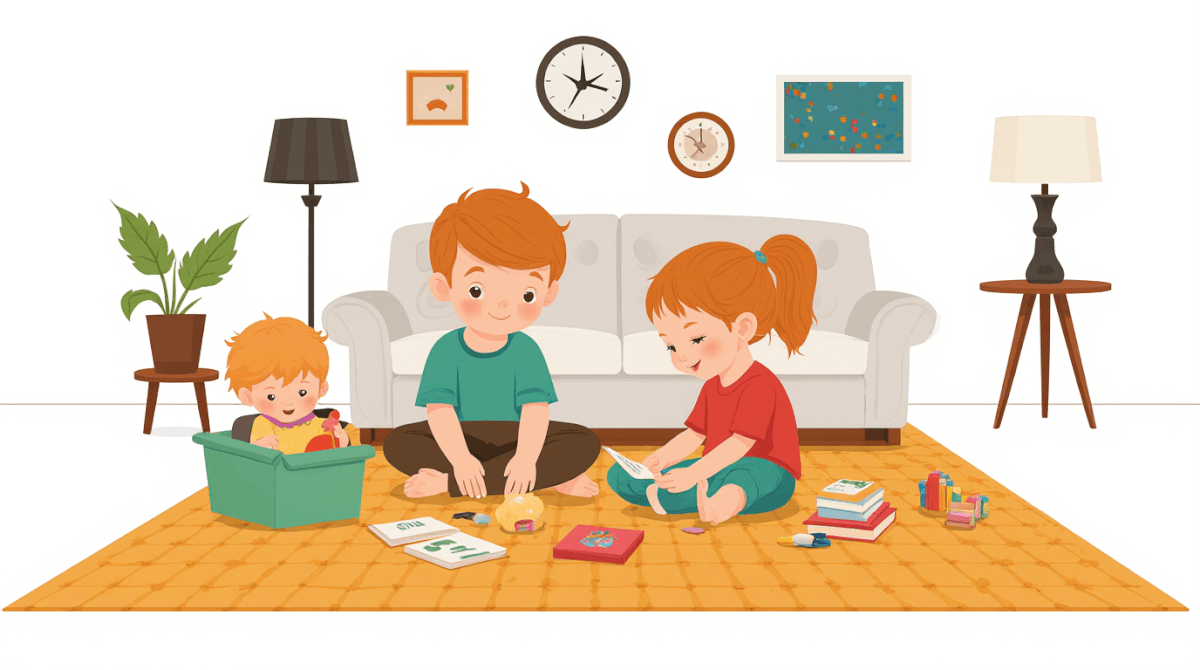
Daily care encompasses a wide range of activities and interactions between caregivers and children, from feeding routines to playtime. These daily interactions are critical because they provide the foundational experiences through which children learn about their world and their place in it. When parents consistently comfort their children during stressful situations, such as bedtime or minor accidents, these repeated instances teach children that support is available and help them develop resilience. This process of repeated care creates a sense of security and predictability, essential elements for healthy emotional development.
Consider the example of mealtime routines in families where parents take time to sit down with their children, engage in conversation, and encourage good eating habits. Over time, these interactions teach children about social norms and acceptable behaviors during meals, promoting not only dietary health but also social skills and manners. Such repeated experiences instill a sense of structure and routine that can carry over into other aspects of life, influencing how individuals handle stress or new situations.
The way caregivers respond to children’s needs, whether emotional or physical, directly impacts their long-term behavior. When a caregiver consistently acknowledges and responds to a child’s cries for help with warmth and understanding, the child learns to recognize feelings like frustration and seek comfort from others. If a child experiences inconsistent care, they might develop behaviors that are more challenging to manage later in life because they have not learned effective coping mechanisms.
Children who grow up in environments where caregivers provide inconsistent or dismissive responses may struggle with emotional regulation as adults. They might become overly sensitive or emotionally volatile, lacking the ability to handle minor stressors effectively. Children who experience a high level of care and support from their caregivers are more likely to develop well-rounded personalities that include strong social skills and emotional resilience.
The mechanisms through which daily care shapes long-term behavior can be further explored by examining how such experiences contribute to cognitive development. Routines like reading stories together or engaging in interactive games not only stimulate intellectual growth but also lay the groundwork for lifelong learning habits. Children who are frequently exposed to a variety of experiences, whether through structured activities or free play, develop broader perspectives and more adaptable thinking patterns that serve them well throughout their lives.
When parents read books with their children daily, they not only enhance literacy skills but also foster curiosity and a love for learning. This early exposure can lead to children developing a natural inclination towards lifelong education and self-improvement as adults. Similarly, allowing children to engage in open-ended play encourages creativity and problem-solving skills that are vital in many aspects of adult life.
Environments where daily care is lacking or inconsistent may result in developmental delays and difficulties in forming healthy social connections later on. Children who do not receive regular emotional support from caregivers might struggle with trust issues and difficulty establishing meaningful relationships as adults. The repeated experience of neglect can lead to a lack of self-worth and confidence, making it challenging for individuals to seek help or assert their needs effectively.
The impact of daily care extends beyond just emotional and cognitive development. It also significantly influences physical health and well-being. Consistent care that includes regular check-ups, healthy meal planning, and active play promotes a balanced lifestyle from an early age. These habits can lead to better overall health in adulthood, as individuals are more likely to maintain healthy routines if they have learned them through repeated daily care experiences.
The influence of daily care on behavior is not merely about the specific actions but also the quality and consistency with which these interactions occur. A child who experiences regular, positive reinforcement for good behavior is more likely to develop self-discipline and respect for authority as an adult. A child who frequently faces harsh or unpredictable consequences may become anxious or rebellious, leading to behaviors that are difficult to manage in later life.
Another critical aspect of daily care is its role in shaping social skills. Children learn from repeated interactions how to communicate effectively, share resources, and resolve conflicts peacefully. Parents who model respectful dialogue during disagreements show their children a healthy way to handle disputes, which can be applied in various social situations throughout adulthood. Consistent encouragement for sharing toys or taking turns in games teaches children the value of cooperation and empathy.
Environments where daily care lacks these elements might result in difficulties in forming positive relationships later on. Children who grow up with caregivers who are dismissive or overly strict may struggle to establish healthy boundaries and communication patterns. This can manifest as a lack of assertiveness or an inability to set personal limits effectively.
The cumulative effect of daily care is profound, influencing not only immediate behaviors but also shaping the lens through which individuals view themselves and their world over time. Children who consistently receive praise for their efforts may develop a strong sense of self-efficacy, leading them to approach challenges with confidence and persistence. Those who often experience criticism or neglect might internalize negative beliefs about themselves, affecting their self-esteem and overall well-being.
It is important to note that the quality of daily care, not just its presence, significantly impacts long-term behavior. A child who experiences frequent verbal abuse from caregivers may develop defense mechanisms like aggression or withdrawal as a way to cope with ongoing stress. If these interactions are replaced by consistent, positive reinforcement and support, the child is more likely to develop healthy coping strategies.
The intergenerational transmission of behaviors further illustrates how daily care shapes long-term behavior. Children who grow up in homes where daily care emphasizes emotional intelligence and social skills are more likely to pass these values on to their own children. This cycle of care and interaction can lead to the development of a supportive family environment that promotes healthy interpersonal relationships across generations.
In summary, repeated patterns of care and interaction during early childhood play a crucial role in shaping long-term behavior by providing the foundation for emotional, cognitive, social, and physical well-being. Daily care is not just about meeting immediate needs but also about instilling values, attitudes, and coping mechanisms that persist throughout an individual’s life. The quality and consistency of daily care significantly influence how individuals navigate their world, interact with others, and manage stressors as they mature into adults.
The consistent and nurturing nature of daily care is vital in shaping long-term behavior. Through repeated interactions, children learn to navigate their environment, understand social norms, develop cognitive skills, build emotional resilience, and establish healthy physical habits. These early experiences form the core of an individual’s personality and influence how they respond to challenges and opportunities throughout their lives.
References:
– Grolnick, W. S., & Ryan, R. M. (1987). Parent styles associated with children’s self-regulation: Internalization, suppression, and rejection. Journal of Personality and Social Psychology, 52(4), 835–843.
– Bowlby, J. (1969). Attachment and Loss: Vol. 1. Attachment. Basic Books.