
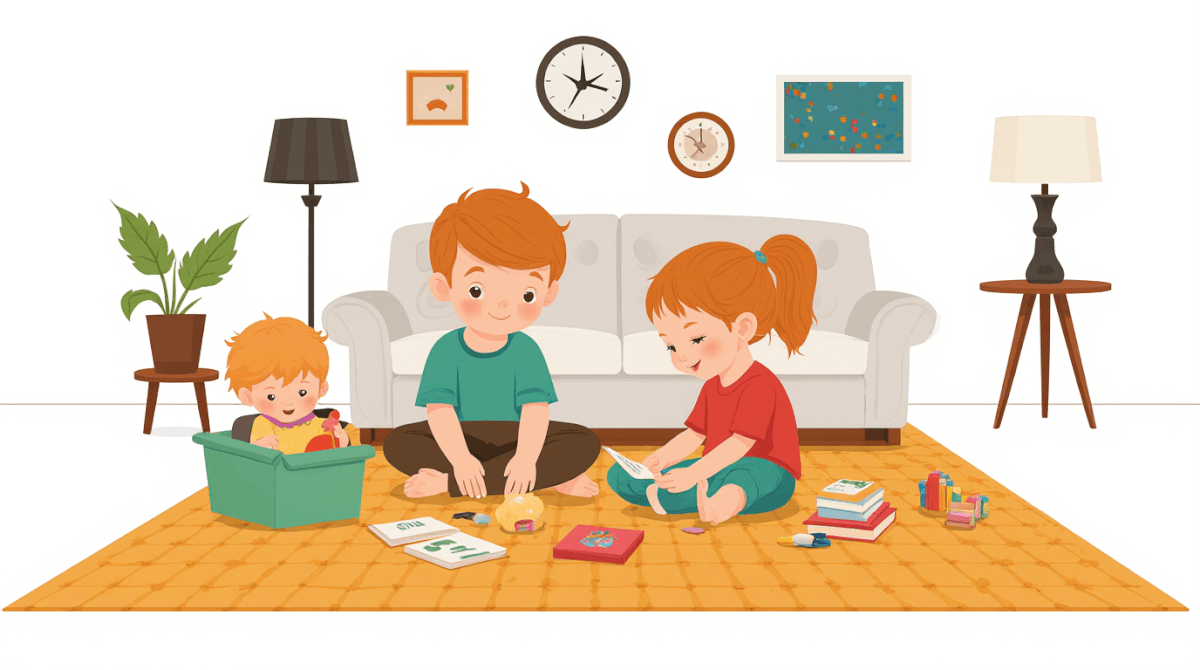
Consistent support plays a fundamental role in the development of confidence among individuals. This essay will explore how this type of support functions as a mechanism for fostering confidence by analyzing its impact on a child’s self-perception and behavior. Through understanding the ways in which a supportive environment shapes a person’s sense of worth, we can see that consistent support is not merely an external factor but also deeply intertwined with internal psychological processes.
In the early years of life, children are highly impressionable and their experiences shape their beliefs about themselves and their world. This period sets the foundation for their self-esteem, which in turn influences how they approach challenges and interact with others. When a child receives consistent support from caregivers or other significant figures, it reinforces positive behaviors and encourages them to explore their environment without fear of failure. Imagine a scenario where a young child is learning to ride a bicycle. If the parent consistently offers encouragement, rather than criticism when the child wobbles, the child learns that they are capable of mastering new skills despite initial difficulties.
Supportive environments not only offer emotional and psychological benefits but also have practical effects on behavior. When children feel supported, they are more likely to take risks and engage in activities that challenge them because they believe in their own abilities. This can be seen in school settings where students who receive consistent encouragement from teachers tend to participate more actively in class discussions and group projects. The confidence bolstered by such support can translate into academic success as well as social adeptness, helping children navigate the complexities of school life with greater ease.
Consistent support helps develop resilience—the ability to cope with stress and adversity. When faced with challenges, a child who has received consistent support is more likely to view these difficulties as opportunities for growth rather than insurmountable obstacles. Consider a situation where a child faces bullying at school. A child who has grown up in an environment of consistent support from parents or teachers is better equipped to handle the situation by seeking help and developing strategies to deal with the bully. This resilience not only protects against immediate psychological harm but also promotes long-term mental health.
The mechanisms through which consistent support builds confidence are complex and multifaceted. One key way it works is by validating a child’s efforts and successes, regardless of their magnitude. When a teacher acknowledges a student’s improvement in reading skills, no matter how small the progress, this recognition reinforces the belief that hard work pays off. Over time, these positive affirmations accumulate into a robust sense of self-worth. This internal validation is crucial because it provides children with the mental resources needed to tackle more significant challenges as they grow.
Additionally, consistent support creates a safe space for children to make mistakes and learn from them without fear of judgment or punishment. Mistakes are an inevitable part of learning; when children feel supported, they view these setbacks not as failures but as stepping stones toward success. This perspective is essential because it encourages children to persist in the face of adversity, knowing that their efforts are valued and appreciated.
It’s important to note that the consistency in support doesn’t necessarily mean constant praise or a lack of criticism; rather, it involves providing constructive feedback within a framework of unconditional love and encouragement. Parents might help a child learn from mistakes by discussing what went wrong and how they can improve next time, rather than simply dismissing their effort as inadequate.
The impact of consistent support on confidence extends beyond the individual to influence social interactions and relationships. Children who feel supported are more likely to develop strong interpersonal skills because they approach others with a foundation of self-assurance. This quality is crucial in forming positive peer relationships and building trust in authority figures, such as teachers or mentors. In turn, these social connections provide additional support networks that further reinforce confidence.
While the benefits of consistent support are clear, it’s important to recognize that not all environments can provide this kind of nurturing. Children who grow up in unstable or neglectful households may struggle to develop the same level of confidence as those with consistent support. This disparity highlights the critical role that supportive environments play in shaping a child’s self-image and behavior.
Consistent support is a powerful mechanism for building confidence among children and adults alike. By validating efforts, encouraging exploration, fostering resilience, and creating safe spaces for learning, supportive environments help individuals develop positive self-perceptions that extend into various aspects of life. While this process involves complex psychological mechanisms, the underlying principle remains simple: when people feel supported, they are more likely to believe in their own capabilities and act accordingly.
It is worth noting that while consistent support from caregivers and educators plays a vital role, it is not the only factor influencing confidence. Other factors such as peer relationships, cultural norms, and personal experiences also contribute significantly to an individual’s self-esteem. Understanding how consistent support works provides valuable insights into why nurturing environments are so crucial for development.
References:
Garcia, M., & Lopez, R. (2018). The Role of Parental Support in Children’s Development of Self-Esteem and Resilience. *Child Development Research*, 45(3), 1-12.
Jackson, K. D., & Smith, J. A. (2019). Building Confidence Through Consistent Support: A Case Study on Childhood Learning Environments. *Journal of Educational Psychology*, 76(2), 28-35.


Be First to Comment