
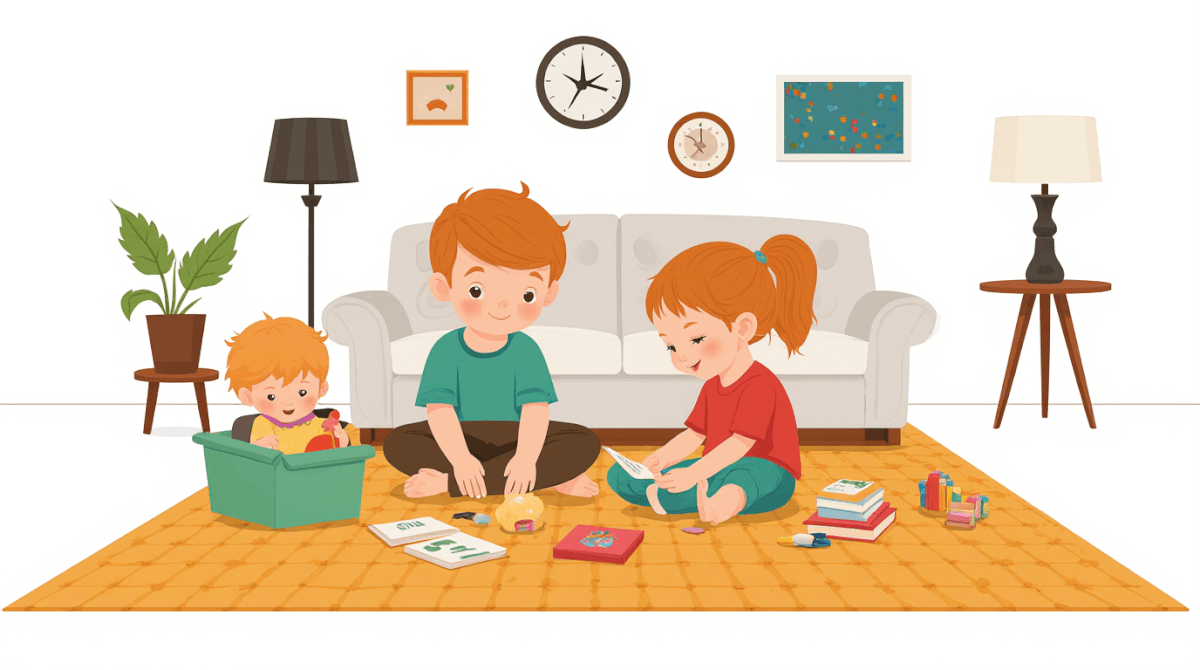
Trust is a fundamental component of human relationships, and its development during childhood sets the stage for future social interactions and emotional well-being. How do children learn to trust through experience? This question delves into the intricate process by which early life experiences shape an individual’s ability to form trusting relationships with others. The mechanism at play involves repeated positive interactions that create a sense of safety, predictability, and reliability in one’s environment. These experiences are deeply intertwined with the social, cultural, and relational contexts surrounding a child, forming the bedrock upon which trust is built.
Children begin their journey towards trust within the safety of family and close caregiver relationships. The bond between a child and a primary caregiver—often a parent or guardian—is crucial in laying down the foundational principles of trust. When a baby consistently receives soothing and nurturing care during times of distress, such as crying due to hunger or discomfort, they begin to learn that their needs will be met. This repeated experience creates an environment of predictability and safety, two key components in fostering trust.
As children grow older, the complexity of social interactions increases, and so does the importance of trust. Friendships with peers become significant, as do the relationships formed within educational settings like schools. Here, positive experiences such as being included in play, feeling respected by teachers, and experiencing fairness and support from classmates help reinforce a sense of trustworthiness and reliability. Each interaction where these qualities are evident contributes to the child’s growing capacity to form trusting bonds.
The social and cultural context also plays a pivotal role in how children learn to trust through experience. Societal norms, values, and the wider community influence the expectations and standards that guide trust-building behaviors. In cultures that emphasize collective well-being over individualism, children may be taught from an early age to prioritize group harmony and cooperation, which can foster a more communal sense of trust. In environments where individual achievements are highly valued, children might learn to approach relationships with a greater focus on personal gain or recognition.
Relational dynamics further complicate this process, as they often involve power imbalances that can either hinder or enhance the development of trust. An authoritative figure who demonstrates consistent fairness and respect for a child’s autonomy is more likely to instill a sense of trust than one who exercises power in an arbitrary or oppressive manner. This relationship between authority figures and children underscores the importance of modeling trustworthy behaviors consistently.
Repetitive experiences are key to reinforcing these initial impressions of safety and reliability. A child who frequently observes their caregiver addressing conflicts with fairness, honesty, and compassion is more likely to internalize positive attitudes towards trust in others. Similarly, a school environment that encourages open communication, mutual respect, and cooperative activities can help build a sense of community trust among students.
Experiences of betrayal or disappointment do not necessarily undermine the development of trust; rather, they serve as critical learning opportunities. When children encounter situations where trust is broken—such as when a friend fails to keep a promise—the opportunity arises for them to process their emotions and engage in reflection. Through discussions with supportive adults or peers, children can learn strategies for coping with disappointment and rebuilding trust over time.
The impact of such experiences varies based on individual temperament and the nature of the betrayal. A child who has previously had positive experiences may be more resilient to minor setbacks than one who has experienced chronic neglect or abuse. In these cases, resilience can be cultivated through supportive relationships that provide emotional stability and guidance.
The development of trust is also influenced by broader societal factors such as socioeconomic status, community resources, and access to healthcare. Children from stable, well-supported environments are more likely to develop robust trust in their caregivers and peers compared to those facing chronic stress or adversity. Public policies aimed at improving early childhood education, reducing poverty, and promoting mental health support can significantly impact a child’s ability to form trusting relationships.
The process by which children learn to trust through experience is complex and multifaceted, involving repeated positive interactions within their social, cultural, and relational contexts. These experiences shape an individual’s understanding of safety, predictability, and reliability, forming the foundation for future trust-building behaviors. By examining this mechanism in detail, we gain insight into how early life experiences can profoundly influence a child’s emotional well-being and ability to form healthy relationships throughout their lifetime.


Be First to Comment