At the heart of a child’s emotional and psychological development lies a complex interplay of relationships—particularly those within the family. These interactions are not just casual occurrences but form the bedrock upon which a child’s sense of self is built. From the earliest moments of life, the way parents, siblings, and extended family members interact with their children shapes how these children perceive themselves and the world around them.
Consider the warmth of a hug or a gentle pat on the back—a simple act that might seem trivial to us as adults. For a child, such acts create a sense of safety and comfort. When parents consistently offer affection, they are telling their children, “You matter,” “I care about you,” and “Your feelings are valid.” This consistent affirmation helps build a strong foundation of self-worth and confidence. A child who feels secure in these early interactions is more likely to explore the world around them with curiosity rather than fear.
The absence of such affection or inconsistency can be equally impactful. When a child experiences sporadic or unpredictable care, they may struggle to develop a stable sense of self. This unpredictability can make it difficult for children to understand when they are loved and when they might not be, leading to feelings of uncertainty and insecurity. Over time, this can affect their ability to form healthy relationships later in life.
Support from family members is another critical factor. When children feel supported by their families, whether through encouragement during a challenge or through the sharing of joys and accomplishments, they are better equipped to handle stress and adversity. A child who receives praise for their efforts, regardless of the outcome, learns that success is not just about achieving certain goals but also about putting in the effort. This can foster resilience, teaching children that setbacks are temporary and that persistence leads to growth.
Consistency is key in creating a nurturing environment. When routines are established and followed, children know what to expect, reducing their anxiety about the unknown. A bedtime story every night or a weekly family game night can create a sense of predictability and routine. This predictability helps children feel secure, allowing them to focus on learning and playing without constant worry. It is through these consistent routines that children begin to understand patterns in behavior, contributing to their cognitive and emotional development.
Structure within the family also plays an important role. When families have clear boundaries and rules, children learn about the importance of order and responsibility. Setting a time for homework or chores helps children develop a sense of discipline. This structure is not about imposing control but about teaching children the value of order and the consequences of their actions. Understanding these concepts early on can lead to better decision-making skills later in life.
The impact of family relationships extends beyond individual interactions; it encompasses how children perceive and respond to societal norms and expectations. A child who grows up in a supportive, loving environment is more likely to have a positive outlook on themselves and their abilities. They may also be more empathetic and understanding towards others, mirroring the behaviors they have learned from their family members.
Consider the case of Sarah, a five-year-old who has been consistently praised for her kindness and curiosity. Her parents make a point to acknowledge her efforts, not just when she excels but also when she shows empathy towards others or expresses interest in learning new things. Over time, Sarah begins to see herself as both capable and caring. This internalization of positive traits influences how she interacts with peers and adults, fostering a supportive social environment.
Let’s imagine a child named Tom who experiences less consistent affection and support. His parents are often busy or preoccupied, leading to sporadic displays of care. Tom may struggle with self-esteem and trust issues, finding it harder to initiate friendships or confide in others when faced with challenges.
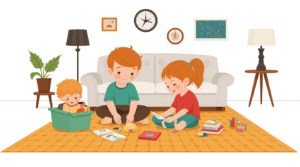
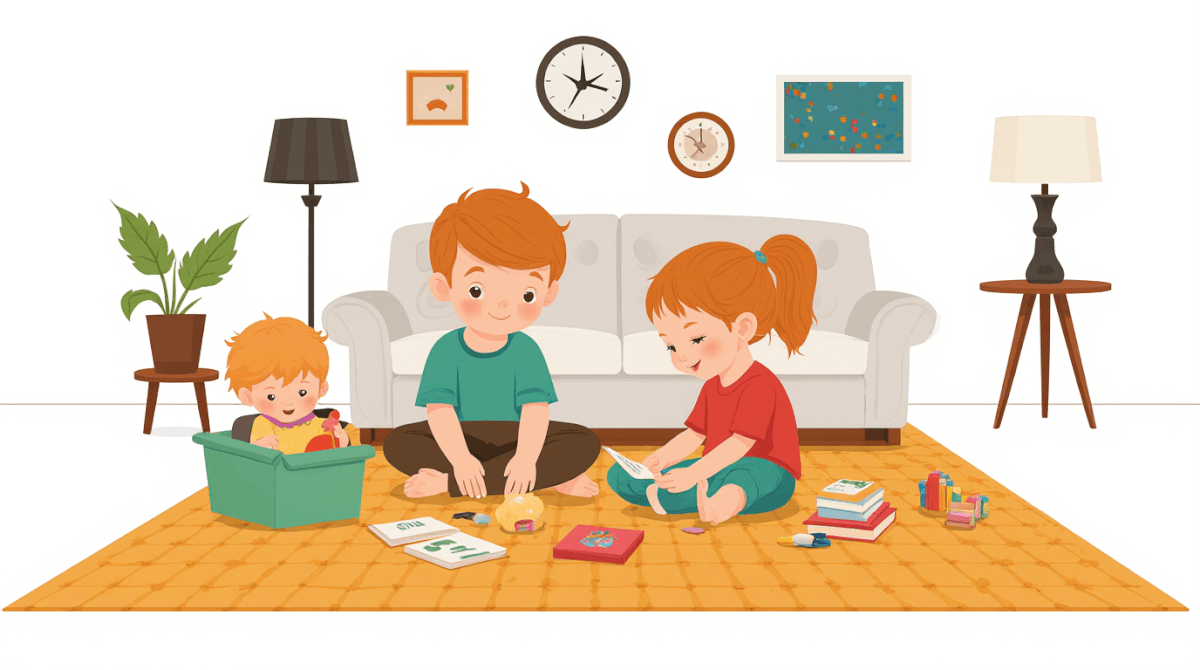
The role of siblings in this process is also noteworthy. Sibling relationships can provide both competition and collaboration, teaching children about sharing, negotiation, and conflict resolution. These interactions are crucial for developing social skills and empathy, as well as a sense of fairness and justice.
The emotional and psychological development of children is profoundly influenced by the relationships they have within their family. Affection, consistency, support, and structure all play vital roles in shaping how children see themselves and interact with the world. While these aspects are interwoven, each contributes uniquely to a child’s growth. By fostering a loving, consistent, and structured environment, families can lay the groundwork for healthy emotional and psychological development, setting their children up for success in all aspects of life.