
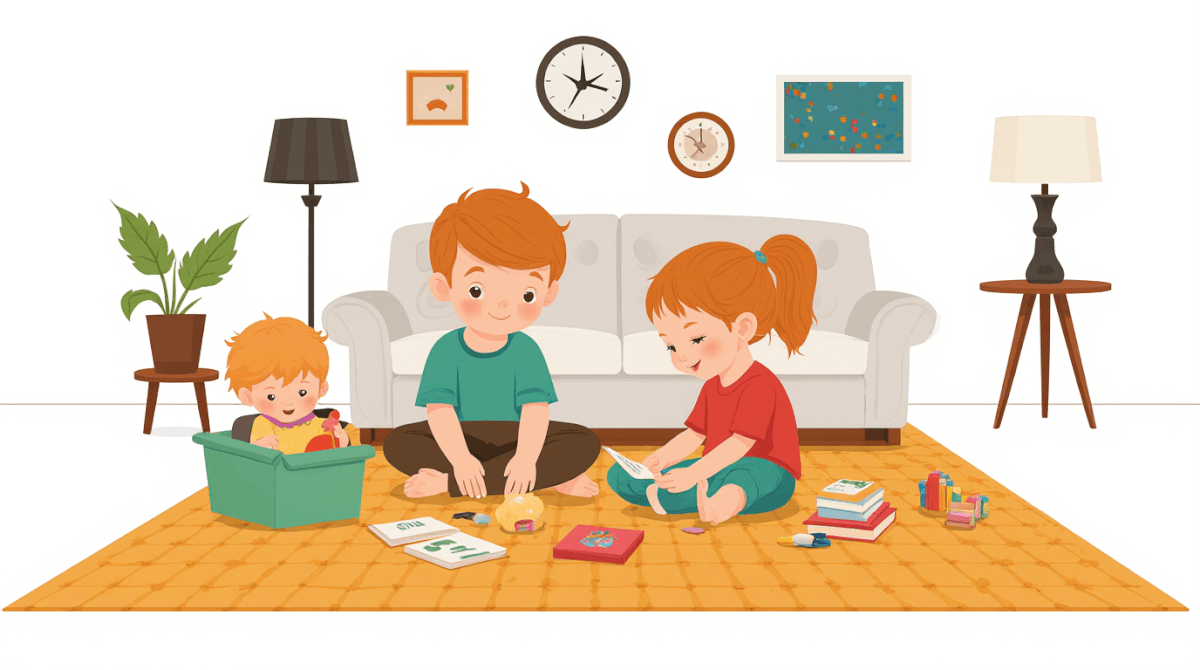
Understanding how children learn through emotional reflection involves recognizing the intricate interplay between emotions, experiences, and cognitive processes during childhood development. This mechanism is a fundamental aspect of how young minds grow and adapt to their environment. The process begins with the child’s initial interactions with caregivers or peers, which set the stage for emotional responses that are then reflected upon internally. These reflections can be seen as a form of internal dialogue where children assess their emotions, understand the reasons behind them, and begin to develop strategies for coping and managing these feelings.
In the earliest stages of development, infants primarily learn through sensorimotor experiences and interactions with caregivers. When an infant cries due to hunger or discomfort, they experience a range of physical sensations and emotional states such as frustration or distress. The caregiver’s response—whether it is soothing by offering comfort or addressing the child’s needs—is crucial in shaping how the child begins to perceive emotions and form associations between them and specific situations.
As children grow, their capacity for emotional reflection expands. They start recognizing and labeling their feelings more accurately, a process that is often influenced by their environment and early experiences. If a young child receives praise or encouragement after performing well in a task, they may internalize positive emotions linked to achievement and success. If the same child faces disappointment or criticism without supportive guidance from caregivers, they might develop a more negative emotional outlook.
Emotional reflection plays a pivotal role in cognitive development by facilitating metacognition—thinking about one’s own thinking processes. When children reflect on their emotional experiences, they begin to understand the complexity of human emotions and their impact on behavior. This reflective process can help them recognize patterns and learn from past experiences, which is essential for developing problem-solving skills and decision-making abilities.
A key aspect of how children learn through emotional reflection involves empathy—a critical social-emotional skill that helps individuals navigate relationships and understand the perspectives of others. When a child sees their friend feeling sad over losing a game, they might reflect on why their friend is upset and perhaps offer comfort or support. This experience can foster a deeper understanding of emotions in themselves and others, promoting compassionate behaviors.
The environment and early experiences significantly influence how children engage with emotional reflection. A nurturing home environment where parents and caregivers are emotionally attuned to the child’s needs creates a safe space for exploration and self-reflection. An unresponsive or emotionally neglectful environment can stifle these natural processes of emotional awareness and development.
Consider two siblings growing up in different households. Sarah has a mother who regularly acknowledges her feelings and encourages her to express herself openly. Over time, Sarah learns to articulate her emotions effectively, leading to better self-regulation and interpersonal skills. Tom’s parents are often preoccupied with their work or dismissive of his emotional needs, which results in him feeling misunderstood and less able to engage deeply with his own emotions.
Cultural contexts also play a significant role in shaping how children learn through emotional reflection. In some cultures, expressing certain emotions openly is encouraged, while in others, restraint might be valued more. These social norms can influence the types of emotional experiences children encounter and their ability to reflect on these experiences meaningfully. In collectivist societies where family harmony is prioritized, children might learn to suppress negative emotions in public settings, leading to different patterns of emotional expression compared to those raised in individualistic cultures.
Reflective practices such as journaling or engaging in conversations about feelings can further enhance a child’s ability to process and understand their emotions. These activities provide structured opportunities for self-reflection that are often supported by educators and caregivers who model these behaviors. A teacher might encourage students to write down their thoughts after class discussions on difficult topics, helping them to sort through complex emotions in a safe space.
The impact of emotional reflection extends beyond individual development; it also influences broader social dynamics and relationships. By learning to recognize and manage their emotions effectively, children are better equipped to navigate conflicts and build stronger bonds with peers and adults. When faced with a disagreement during playtime, a child who has practiced reflecting on their feelings might approach the situation with empathy and understanding, leading to more productive resolutions.
Emotional reflection can serve as a foundation for developing resilience in the face of adversity. By examining past experiences where they successfully coped with challenges, children can gain confidence in their ability to handle future difficulties. This introspective process helps build psychological hardiness, enabling them to bounce back from setbacks and maintain a positive outlook even during stressful periods.
Emotional reflection is a critical mechanism through which children learn about themselves and the world around them. It involves a complex interplay of emotions, experiences, and cognitive processes that are significantly influenced by environmental factors such as family dynamics, cultural norms, and educational practices. By fostering an environment where children feel supported to explore their emotions openly and reflect on these experiences, caregivers and educators can play a vital role in promoting holistic development and preparing young minds for the complexities of social interactions and personal growth.
Related Reading
– Diana Baumrind — Child Care Practices Anteceding Three Patterns of Preschool Behavior
– Gabor Maté — Hold On to Your Kids


Be First to Comment