
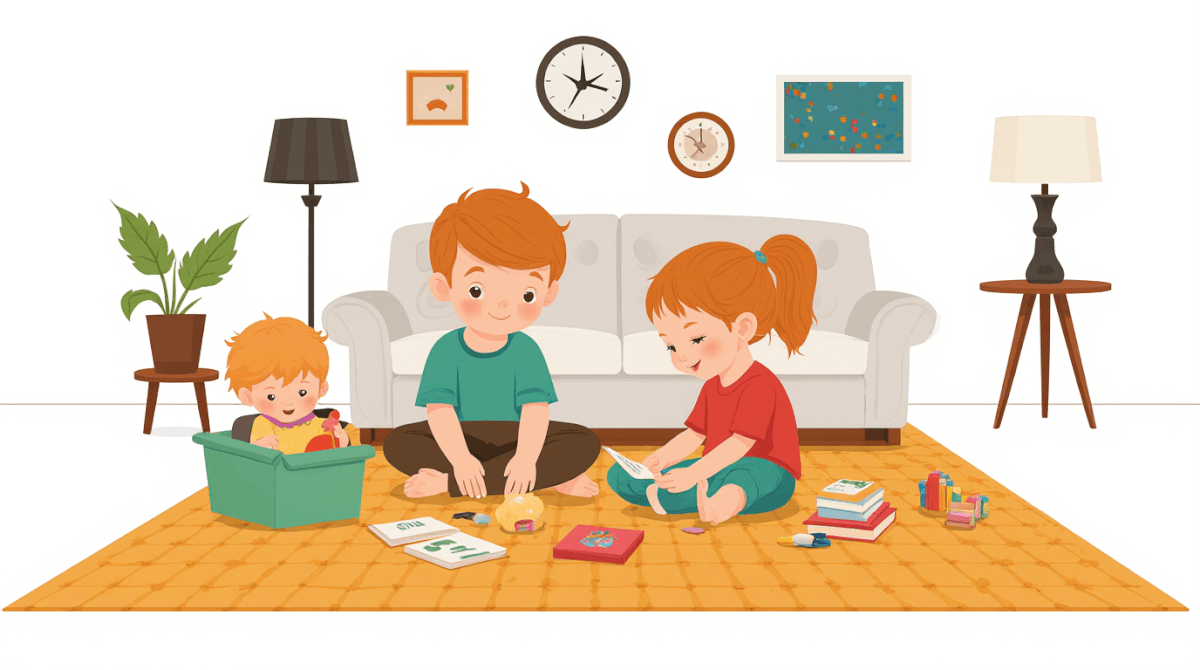
Children learn self-control through guidance, which is a critical process that shapes their ability to regulate emotions and behaviors effectively. This development is profoundly influenced by the social and cultural context of their environment, particularly during early experiences such as interactions with caregivers and peers. By understanding how this mechanism operates, we can better appreciate its role in fostering resilience and adaptability in children.
At the heart of self-control lies the ability to delay gratification, manage impulses, and follow rules—skills that are essential for academic success and social harmony. A child who can resist the temptation to throw their toys when angry is demonstrating early signs of self-control. Such behaviors emerge from guidance provided by adults in the form of clear expectations, consistent consequences, and positive reinforcement.
The environment plays a crucial role in shaping these skills. A home or school setting that emphasizes structure and routine provides children with a sense of predictability. When parents establish regular mealtimes and bedtimes, they are setting boundaries that help children understand what is expected of them. These consistent routines lay the groundwork for developing self-discipline. Similarly, schools that encourage quiet reading periods or quiet zones foster environments where children can practice self-control in low-stress situations.
Early experiences also influence how children perceive their own capabilities and limitations. When adults model self-control themselves, they provide a powerful example of how to manage emotions and behaviors effectively. If a parent remains calm during an argument with another adult, the child may learn that it is acceptable and effective to express frustration in a controlled manner. This observation helps children internalize the importance of self-regulation.
Guidance from caregivers often takes the form of positive reinforcement and clear consequences. When parents consistently reward good behavior—such as sharing toys or cleaning up after play—with praise or small rewards, they are reinforcing the desired behaviors. When inappropriate actions result in natural or logical consequences, such as a time-out for throwing objects, children begin to associate these outcomes with their actions. Over time, this process helps children understand cause and effect relationships, thereby enhancing their self-control.
The cultural context further influences how self-control is understood and taught. In many Western societies, there is an emphasis on individual achievement and independence, which can lead to a focus on external rewards for good behavior. In collectivist cultures, the focus may be more on maintaining group harmony through cooperative behaviors and adherence to social norms. These differing cultural perspectives shape how self-control is developed and valued.
Peer interactions also play a significant role in teaching children about self-regulation. As children spend increasing amounts of time with their peers, they learn to navigate social dynamics and negotiate conflicts. Playing board games often requires taking turns and following rules, both of which are essential for developing self-discipline. Peer feedback and mutual respect can further reinforce these behaviors, creating a supportive environment where children can practice and refine their self-control skills.
The quality of relationships between caregivers and children is critical in this developmental process. Secure attachment, characterized by consistent care and responsiveness from parents or guardians, provides a foundation for trust and emotional stability. Children who feel safe and supported are more likely to engage in activities that require self-control because they have internalized the belief that their needs will be met. This sense of security allows them to take risks, explore new environments, and develop complex social skills.
Inconsistent or neglectful caregiving can undermine a child’s ability to regulate emotions effectively. Children who experience unpredictable nurturing may struggle with trust issues and find it challenging to form stable relationships. This insecurity can manifest as difficulties in controlling their impulses, leading to behaviors such as aggression or hyperactivity.
It is also important to recognize that self-control is not solely the domain of parents; educators and caregivers from various settings play a vital role in shaping these skills. Teachers who set clear rules and provide opportunities for children to make choices within those boundaries help foster autonomy while reinforcing self-regulation. Similarly, coaches and mentors can guide athletes or young performers to manage pressure and focus on performance goals through consistent practice and positive reinforcement.
The development of self-control in children is a multifaceted process shaped by social, cultural, and relational contexts. Through guidance provided by caregivers, structured environments, positive reinforcements, and peer interactions, children learn to navigate their emotions and behaviors effectively. Understanding this mechanism helps us recognize its importance in fostering resilience and adaptability, skills that are crucial for success in both personal and professional life.
As research continues to uncover the nuances of self-control development, it becomes increasingly clear that a holistic approach, involving multiple stakeholders, is essential for nurturing these vital skills in children. By creating supportive environments where guidance is consistent and understanding, we can help ensure that every child has the opportunity to develop the self-control necessary to thrive in an ever-changing world.
References:
Papalia, D.E., Olds, S.W., & Feldman, R.D. (2015). _A Child’s World: Infancy Through Adolescence_ (13th ed.). McGraw-Hill Education.
Fischer, K. W., Linderholm, J., & Rose-Jacobs, R. (2008). Cultures of childrearing and development in schooling. _Psychological Bulletin_, 134(5), 709-739.
Related Reading
– Daniel J. Siegel — Parenting from the Inside Out
– Lawrence Kohlberg — Essays on Moral Development




Be First to Comment