
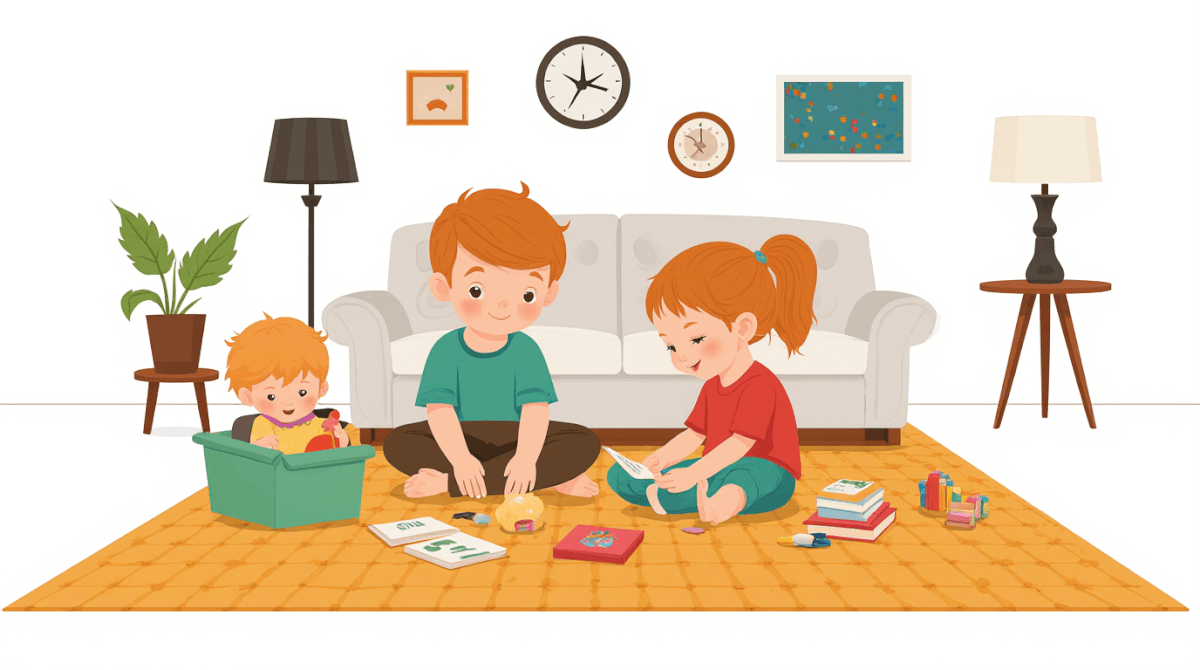
In the intricate tapestry of child development, calm correction stands out as a pivotal mechanism that nurtures emotional intelligence and social skills. This process involves parents or educators addressing misbehavior gently, without anger or aggression, thereby fostering an environment where children can learn to regulate their emotions and behaviors constructively. Through this method, children internalize values, norms, and the ability to handle conflict in a peaceful manner, which are crucial for navigating both familial and societal interactions.
To understand how calm correction influences development, it is essential to delve into its impact on emotional intelligence. Emotional intelligence encompasses the ability to recognize, understand, and manage one’s own emotions as well as those of others. When children experience calm correction, they learn that disagreements can be resolved without hostility or excessive emotion. A parent calmly explaining why certain behaviors are inappropriate helps children develop self-awareness. They begin to associate their actions with emotional outcomes, understanding the consequences of their choices and how these impact others.
The process of calm correction shapes social skills in children. Social interactions require effective communication, empathy, and respect for boundaries—skills that are honed through gentle guidance. Consider a scenario where a child is playing roughly with siblings. Instead of shouting or displaying anger, a parent might calmly say, “It’s important to play gently so everyone can enjoy the game.” This approach not only discourages harmful behavior but also encourages cooperation and understanding among peers.
The influence of calm correction extends beyond individual interactions; it fosters resilience in children. When faced with challenges, the ability to respond calmly and constructively is a valuable trait. A child who has experienced many instances of calm correction learns that conflicts can be resolved without panic or aggression, promoting a sense of security and control over their emotional responses. This resilience is evident when observing how such children handle bullying at school or peer pressure situations.
Calm correction also plays a crucial role in the cultivation of empathy among children. By witnessing adults respond to misbehavior with kindness rather than punishment, children begin to understand that everyone has feelings and experiences. If a child breaks another person’s toy, a calm response like, “I know you were playing hard, but let’s find out how we can make it right,” teaches the importance of considering others’ feelings and taking responsibility for one’s actions.
The environment and early experiences significantly shape the effectiveness of calm correction. A supportive home atmosphere where children feel secure to express their emotions openly without fear of judgment allows for more effective learning through calm correction. This secure base fosters trust, enabling children to take risks and explore social interactions freely. An environment marked by constant stress or conflict can undermine the benefits of calm correction, as children may become too preoccupied with survival concerns to focus on emotional regulation.
Calm correction also thrives in culturally enriching environments where diverse perspectives are respected and valued. Cultural norms that prioritize patience, respect, and gentle guidance provide a fertile ground for this method to flourish. In many Eastern cultures, the concept of “saving face” encourages adults to handle misbehavior privately rather than publicly, which can align well with the principles of calm correction.
The impact of early experiences on children’s ability to respond calmly also cannot be overstated. Research shows that a nurturing and supportive environment in the early years helps build strong neural pathways for emotional regulation. This foundation is crucial as children grow older and encounter more complex social situations. A child who has always experienced calm correction might find it easier to manage emotions during adolescence when faced with peer pressure or academic challenges.
Calm correction emerges as a powerful tool in the developmental toolkit of children. By fostering emotional intelligence, social skills, resilience, and empathy, this method creates a nurturing environment where children can learn valuable life lessons without fear or hostility. The effectiveness of calm correction is deeply intertwined with the cultural and environmental context in which it occurs, emphasizing the importance of creating supportive spaces that encourage gentle guidance over punitive measures.
While the process may require patience and consistency from adults, the long-term benefits for child development are profound. By promoting a culture of kindness, understanding, and constructive conflict resolution, calm correction lays the groundwork for well-adjusted, emotionally intelligent individuals capable of navigating the complexities of life with grace and resilience.




Be First to Comment