
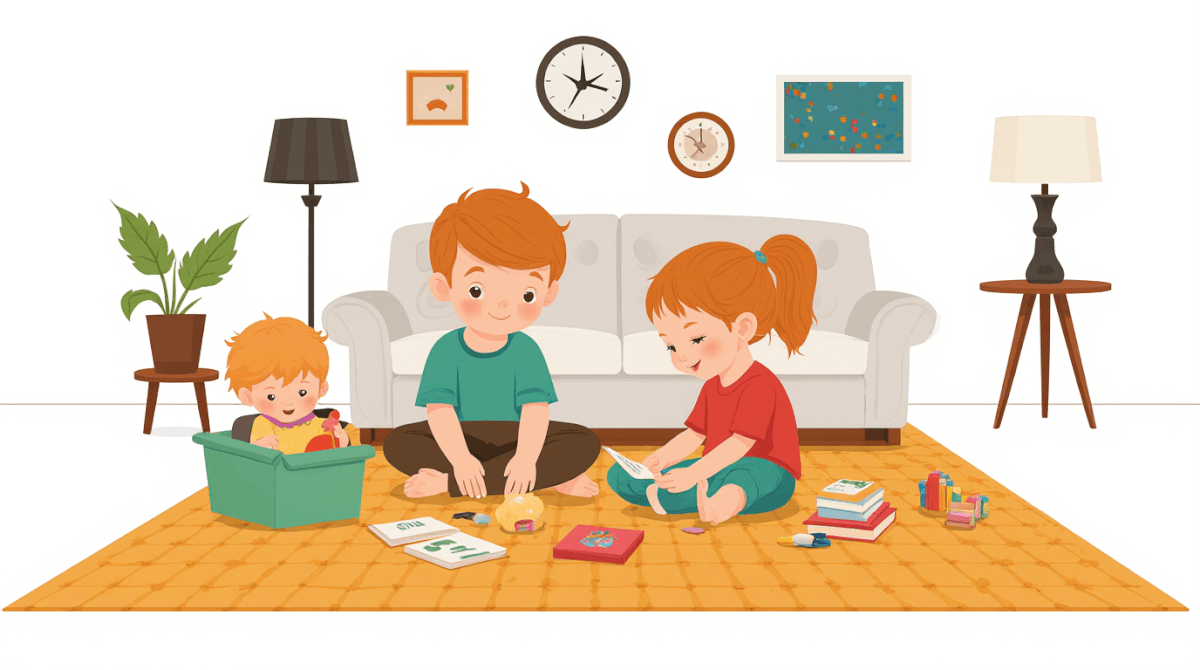
Emotional responsibility involves understanding and managing one’s emotions effectively, recognizing their impact on self and others, and acting with empathy and consideration. This concept is a cornerstone of healthy emotional development, influencing how children interact with the world around them. One key mechanism through which this learning occurs is via the socialization process, where children absorb norms, values, and behaviors from their immediate environment, including family, peers, and media. Understanding this mechanism can provide insights into why certain social contexts are crucial for fostering emotional responsibility in children.
The socialization process begins early in life. When a child first encounters strangers or new situations, they observe how adults handle emotions. If parents model calmness during stressful events like traffic jams or unexpected weather changes, the child learns to stay composed and manage their own reactions effectively. This observation of adult behavior is crucial because children are highly sensitive to emotional cues and often mirror these behaviors without fully understanding why.
Peer interactions also play a vital role in shaping emotional responsibility. In playground settings, children learn social norms through shared experiences. When peers share toys or take turns playing games, they are implicitly taught the value of cooperation and mutual respect. This interaction reinforces the idea that emotions need to be managed not just for individual well-being but also to ensure harmony within the group.
The cultural context in which a child is raised can significantly influence their understanding of emotional responsibility. In some cultures, direct expression of emotions like anger or frustration may be discouraged, teaching children to suppress these feelings rather than express them constructively. Other cultures might encourage open dialogue about emotions, allowing children to understand and articulate their feelings more freely.
The media environment also shapes how children perceive emotional responsibility. Television shows, movies, and social media platforms often depict characters dealing with various emotional challenges. These portrayals can serve as both positive and negative examples. When a character handles conflict resolution maturely, it can inspire similar behavior in viewers. Portraying excessive or inappropriate emotional reactions might normalize such behaviors.
In schools, structured environments provide another platform for children to practice emotional responsibility. Teachers often model appropriate responses to emotions during class discussions or conflict resolutions among students. When a student expresses frustration over not understanding a topic, a teacher might help them reframe the problem positively and offer strategies for improvement. This kind of interaction teaches children that it is okay to feel upset but also shows how to handle those feelings constructively.
The role of family in this process cannot be overstated. Families are primary socializing agents where emotional norms are established early on. Parents teach children about acceptable behaviors through their actions and expectations. Setting boundaries around screen time or allowing natural consequences for breaking rules can help children understand the importance of self-discipline and respect for others’ feelings.
A lack of consistent socialization can hinder emotional responsibility development. Children who grow up in chaotic homes where emotions are not managed well might struggle to regulate their own feelings effectively. Similarly, in communities with high levels of conflict or stress, children may learn to view emotions as sources of anxiety rather than tools for personal growth.
The impact of digital technology on emotional learning cannot be ignored. While it offers new avenues for interaction and learning, it also presents challenges such as cyberbullying and exposure to unrealistic portrayals of life. Fostering a balanced approach that integrates traditional socialization with digital literacy is essential.
The development of emotional responsibility in children is deeply rooted in their social environment and experiences. From early family interactions to peer relationships, cultural norms, media influence, and school settings, each plays a unique role in shaping how children understand and manage their emotions. By recognizing these mechanisms, educators, parents, and policymakers can better support children in becoming emotionally responsible individuals who contribute positively to society.
It is important to note that while the socialization process significantly influences emotional development, individual differences such as temperament, prior experiences, and genetic factors also play a role. Future research might explore how these various elements interact to produce diverse outcomes in emotional responsibility among children. Understanding this complexity can help create more nuanced approaches to nurturing emotional well-being across different contexts and populations.



Be First to Comment