
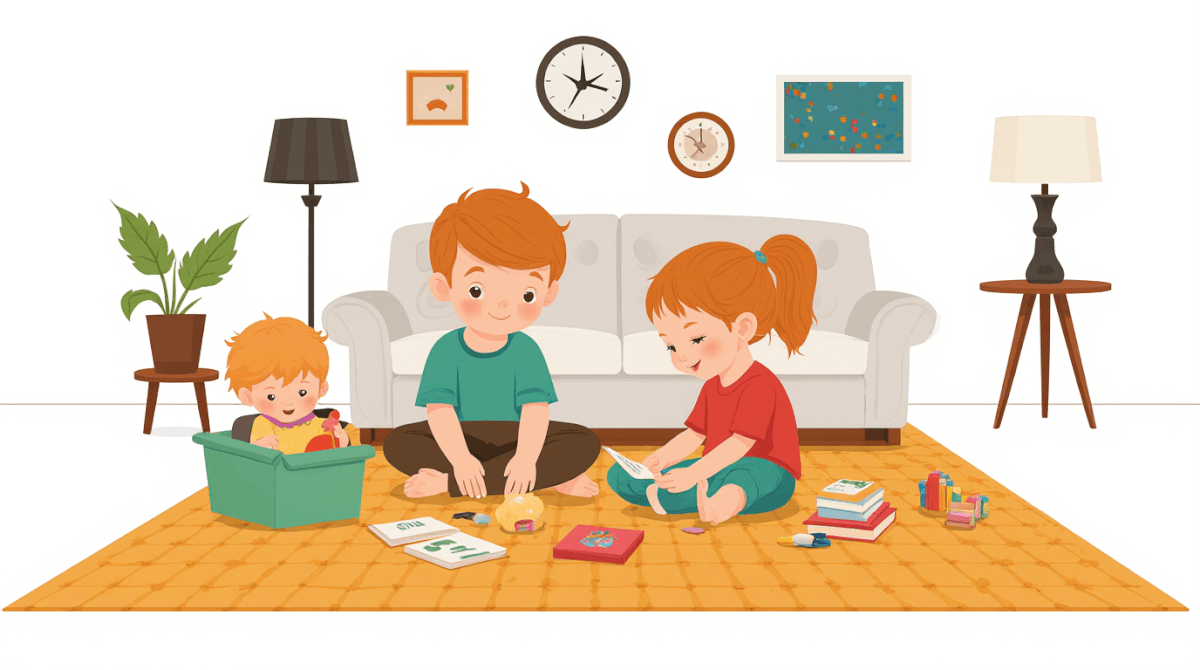
Children’s emotional awareness, a critical aspect of their psychological growth, is fundamentally influenced by the environment they inhabit and the early experiences they encounter. This process, often referred to as “emotional literacy,” encompasses the ability to recognize, understand, and express emotions effectively. The social, cultural, and relational contexts play pivotal roles in shaping this capacity, providing a dynamic framework through which children navigate their emotional landscapes.
Emotional awareness emerges from an interplay of physiological responses and cognitive processing, both of which are heavily influenced by the external environment. When a child experiences fear or excitement during a visit to a playground, the brain registers these feelings as part of its growing emotional database. The interactions with caregivers, peers, and even the physical setting of the playground contribute significantly to how emotions are perceived and managed. As children repeatedly encounter similar situations, they begin to associate specific stimuli with particular emotions, thus laying the groundwork for emotional literacy.
In the early stages of development, infants rely on caregivers to interpret and respond to their emotional cues. A classic example is a baby crying as a response to hunger or discomfort. The caregiver’s soothing voice, gentle touch, and reassurance not only provide comfort but also serve as lessons in recognizing and responding to emotional states. Over time, children learn that certain behaviors lead to specific responses from adults, reinforcing the connection between emotions and actions.
The cultural context further influences emotional awareness by shaping societal norms around emotion expression. In some cultures, open displays of sadness or anger are discouraged, while in others, they may be openly expressed and validated. These cultural scripts subtly guide children’s understanding of appropriate emotional behavior, affecting their ability to navigate social interactions. A child growing up in a culture where it is considered inappropriate to show emotions like fear might develop strategies for internalizing or masking these feelings, which can have long-term impacts on their mental health.
Social interactions also play a crucial role in the development of emotional awareness. Peer relationships provide children with opportunities to observe and imitate others’ emotional reactions and responses. During playdates, children may witness how friends handle disagreements or share joy, learning through observation and imitation what is considered emotionally healthy behavior within their peer group. These interactions not only help children understand the dynamics of emotion but also teach them social norms regarding acceptable emotional expression.
The physical environment can significantly impact a child’s emotional awareness by providing sensory experiences that evoke specific feelings. A calm and nurturing home environment allows for the development of secure attachment styles, which are linked to better emotional regulation skills. An unpredictable or stressful home life may lead to heightened anxiety responses in children as they struggle to predict environmental cues.
The relational context between caregivers and children is fundamental in shaping emotional literacy. Consistent and responsive caregiving fosters a secure base from which children can explore their environment with confidence. Caregivers who validate and label emotions during interactions help children build a vocabulary of feelings, enabling them to articulate their internal experiences more accurately. When a caregiver labels a child’s frustration as “angry” or happiness as “excited,” they are providing essential emotional language that children can use in future situations.
The development of emotional awareness is a multifaceted process influenced by social, cultural, and relational contexts. Each element—caregiver interactions, cultural norms, peer relationships, and environmental stimuli—contributes uniquely to this critical aspect of child development. By understanding these influences, educators and caregivers can create supportive environments that nurture children’s emotional literacy, setting them on a path toward healthier emotional regulation and social interaction.
In the broader context, it is worth noting how these early experiences in emotional awareness can have lasting impacts on an individual’s mental health and overall well-being. Research has shown that individuals who develop robust emotional literacy are better equipped to handle stress, maintain healthy relationships, and achieve personal goals (Goleman, 1995). Fostering emotional awareness from a young age is not only beneficial for the child but also lays the foundation for a resilient and emotionally intelligent adult.
In summary, the development of emotional awareness in children is intricately linked to their environment and early experiences. Through consistent interactions with caregivers, exposure to cultural norms, engagement with peers, and sensory-rich environments, children build a robust understanding of emotions that guides their behavior and relationships throughout life.
**References:**
Goleman, D. (1995). *Emotional Intelligence*. Bantam Books.



Be First to Comment