
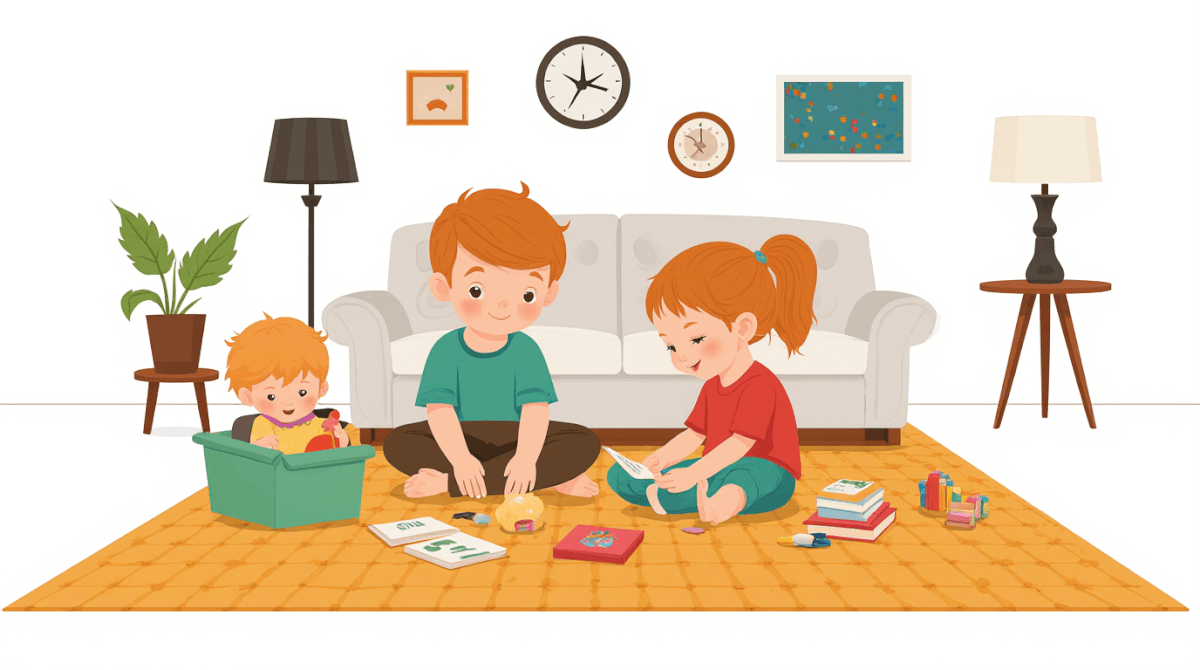
Children internalizing family values is a complex yet fascinating process that shapes their personality, beliefs, and behaviors from early on. This mechanism involves the constant interaction between the child and their environment, which includes not only direct teachings but also implicit modeling of behavior through daily interactions and cultural norms. The way children absorb these values is like a sponge absorbing water; it happens gradually and subtly, often without them realizing it. By examining this process through the lens of how family traditions influence development, one can gain insight into why certain behaviors or attitudes become deeply ingrained in an individual’s psyche.
Family traditions are a crucial aspect of internalizing family values because they provide a constant reminder and reinforcement of these beliefs. Consider a family that celebrates religious holidays with specific rituals each year. The repeated participation in these events creates a sense of familiarity and importance, making the associated values integral to the child’s identity. This consistency is not just limited to religious practices; any regular family activity—such as weekly game nights or monthly family trips—can serve a similar function. Over time, these traditions instill a sense of belonging and instreaming of values that become part of the individual’s core self.
One way in which this mechanism works is through what psychologists call observational learning. Children often learn by imitating adults they admire and trust, such as parents or older siblings. If a child observes their mother volunteering at a local charity every year, the act of giving back may become a value that the child internalizes without necessarily being told to do so explicitly. This process is not limited to positive behaviors; children can also learn negative behaviors through observational learning, such as seeing how aggression or dishonesty are handled in family settings.
The environment plays a critical role in this mechanism because it provides both explicit and implicit messages about what the family values. When parents discuss their belief in honesty, they might set an example by always telling the truth, even when it’s difficult. This behavior becomes internalized as children learn to value honesty themselves. Additionally, the physical environment can influence these processes; a home filled with books may subtly encourage academic achievement and curiosity.
Early experiences also contribute significantly to how family values are internalized. These experiences provide a foundation upon which future beliefs and behaviors are built. A child who grows up in an environment that emphasizes empathy and kindness might develop a compassionate worldview as they grow older. This is not just about what parents say but also how they treat others and the world around them. Consistent messages through both words and actions help to cement these values in the child’s mind.
The interplay between social, cultural, and relational contexts further complicates this process. Social interactions with peers, teachers, and extended family members can either support or challenge the internalized family values. A child who learns respect for elders from their parents might face conflicts when encountering disrespectful behavior at school or within other community settings. These external influences often lead to negotiation and adjustment of the originally internalized values.
The gradual nature of this process ensures that children have time to reflect on and consider these values before fully committing to them. This reflection period is crucial because it allows for the integration of new information alongside existing beliefs, fostering a more nuanced understanding of family values over time. It also enables children to develop their own perspectives while still maintaining core family values.
The emotional aspect of this mechanism should not be overlooked. Positive emotions associated with shared family experiences can reinforce internalized values by creating strong positive associations with these behaviors or attitudes. A child who feels joy and security during family game nights might associate happiness and closeness with these activities, making them more likely to continue engaging in such behaviors.
The process of children internalizing family values is deeply intertwined with their environment, early experiences, and social interactions. By examining how family traditions influence development, one can better understand this complex mechanism. This analysis highlights the importance of consistency, positive reinforcement, and emotional connection in shaping a child’s core beliefs and behaviors. While the path to internalization may be gradual and often unconscious, it is a critical part of growing into an adult with a clear sense of identity and values. As children navigate their worlds, they carry these values forward, influencing not only their own lives but also the generations that follow.


Be First to Comment