
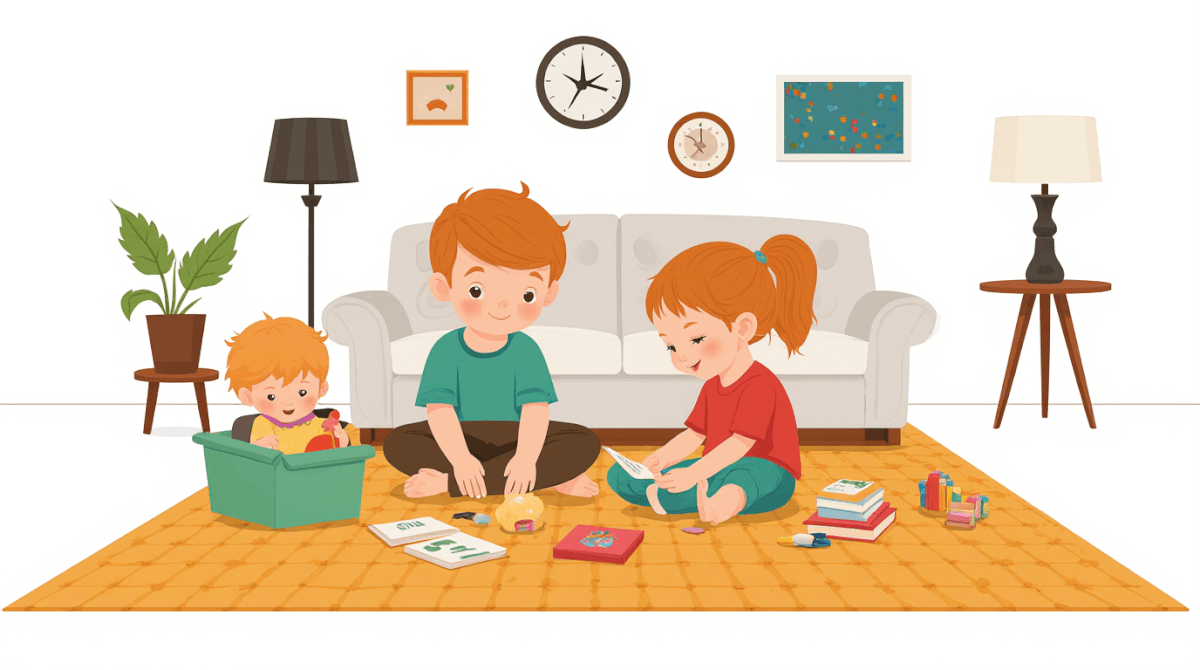
Children’s emotional patterns are not fixed but develop through a complex interplay of social, cultural, and relational contexts. One of the key mechanisms that influences how these patterns form is the way children respond to their environment and early experiences, particularly the relationship they have with caregivers. This mechanism is crucial because it lays the foundation for future emotional responses and behaviors.
When infants are born, they rely on caregivers for survival and security. The attachment theory posits that a strong bond forms between a child and their primary caregiver through interactions like feeding, cuddling, and soothing cries. As children grow, these early experiences shape their understanding of themselves and the world around them. If a child frequently receives immediate responses from a nurturing caregiver during times of distress, they are more likely to develop a secure attachment style. This means that in future stressful situations, the child will feel confident reaching out for support because they have learned that such actions are met with understanding and care.
Inconsistent or neglectful caregiving can lead to insecure attachment styles, which may manifest as avoidant (distrusting others) or anxious (excessively seeking validation). An infant who consistently experiences indifference from their caregiver might learn that emotional needs do not matter or will never be met. This could lead to a pattern of dismissing emotions later in life. A child who is constantly reassured by an overbearing caregiver might develop a need for constant attention and validation, which can create anxiety when faced with independence.
The environment further influences the formation of these patterns through social interactions and cultural norms. Children growing up in a community that values resilience may learn to be more independent and self-reliant. They might face challenges but are encouraged to overcome them on their own, fostering a pattern of emotional strength. Alternatively, children in communities with high levels of stress or conflict may develop patterns of heightened anxiety and fearfulness. They might internalize these environments as dangerous, making it difficult for them to relax or trust others.
A child’s emotional development is also heavily influenced by the cultural context they are raised in. Cultural norms can prescribe specific ways of expressing emotions, which children learn from an early age. In some cultures, open expression of feelings is encouraged, allowing children to freely share their emotions with others. This can lead to more emotionally expressive and empathetic individuals who understand the value of sharing and validating one’s feelings. Cultures that discourage emotional display might teach children to suppress or mask their true feelings. These children may struggle to articulate their emotions openly in adulthood and might experience a range of psychological issues as a result.
Language is another significant factor in shaping emotional patterns. Children learn to identify and label emotions through the words used by caregivers and other adults around them. If a child’s caregiver often uses terms like “angry” or “sad,” they are more likely to recognize these feelings in themselves and others. This helps children understand their internal states and how to communicate them effectively. The lack of such vocabulary can result in emotional confusion, where children might experience complex emotions but struggle to name or describe them accurately.
The role of play in early childhood cannot be overstated as it provides a crucial platform for children to explore social interactions, manage feelings, and develop coping strategies. During play, children learn to navigate relationships, express themselves, and resolve conflicts. Through pretend scenarios and make-believe, they practice dealing with various emotions and situations without the pressure of real-life consequences. Playing doctor or nurse can teach a child how to provide comfort and care, reinforcing positive emotional patterns.
The social context in which children grow up plays a vital role in their emotional development. Peer relationships are integral as they offer opportunities for social comparison, feedback, and acceptance. Positive peer interactions can bolster self-esteem and confidence, while negative experiences might lead to feelings of rejection or inadequacy. Children who are surrounded by supportive friends may develop a sense of belonging and validation that carries into adulthood.
The formation of lasting emotional patterns in children is deeply intertwined with their early experiences, cultural contexts, and social environments. Through interactions with caregivers and peers, as well as exposure to various cultural norms and practices, children learn to interpret and respond to emotions. This process sets the stage for future relationships and emotional resilience. By understanding these mechanisms, we can better support children in developing healthy emotional patterns that will serve them throughout their lives.
\*References:
Allan Schore (2001) Affect Regulation and the Origin of the Self: Development Psychobiology of the Neurovisceral Systems. New York: Psychology Press.
Mary Ainsworth (1967) Patterns of Attachment: A Psychological Study of the Strange Situation. University of Virginia, Department of Psychiatry and Human Development.
Related Reading
– Daniel Kahneman — Thinking, Fast and Slow (developmental implications)
– Alison Gopnik — The Gardener and the Carpenter


Be First to Comment