
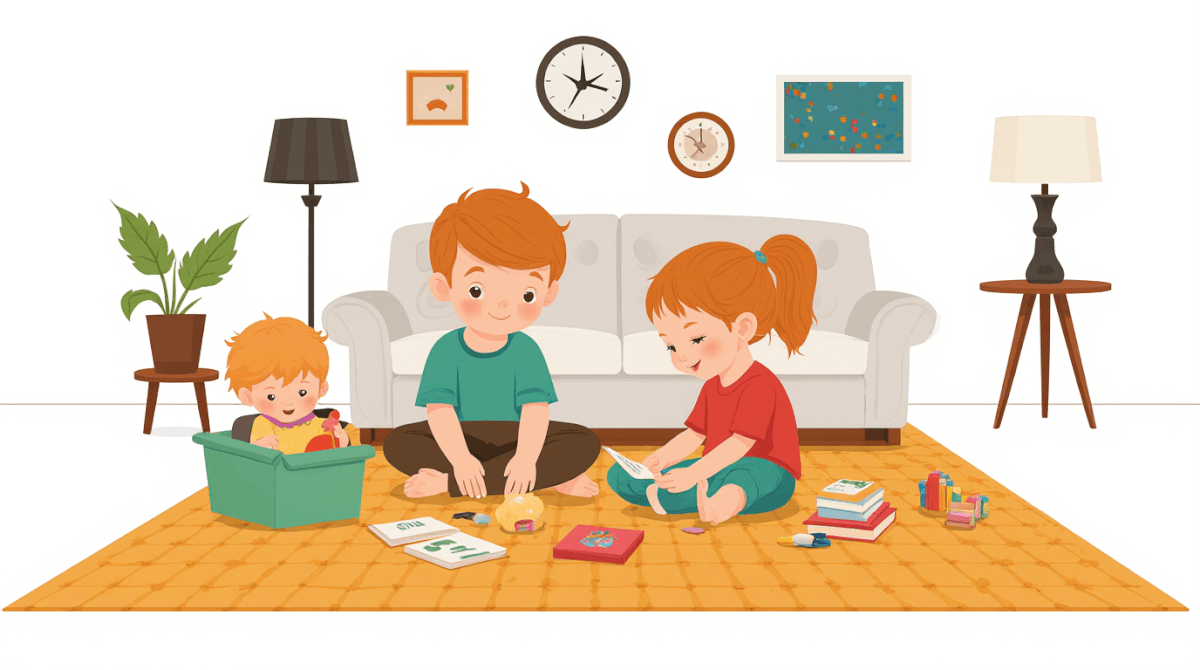
Self-belief, also known as self-efficacy, plays a critical role in the psychological growth of children. It is the belief in one’s ability to succeed in specific situations and can significantly impact how they approach challenges, set goals, and persevere through obstacles (Bandura, 1977). This essay will delve into how support from educators and peers influences the development of self-belief among young learners, focusing on the mechanism of social validation as a key factor.
Social validation is essentially the process by which individuals receive feedback and confirmation that their actions or decisions are appropriate and effective. In educational settings, children often seek this validation through interactions with teachers, classmates, and other supportive adults. When children receive positive reinforcement and recognition for their efforts, they internalize these experiences as evidence of their capabilities, thereby enhancing their self-belief (Pintrich & De Groot, 1990).
The mechanism begins when a child undertakes a task or makes an effort in the presence of others. Imagine a young student bravely raising their hand to answer a question during class. If the teacher acknowledges and praises this action, perhaps saying something like, “Great job! Your answer was very insightful,” the child is more likely to view themselves as capable and knowledgeable (Bandura & Cervone, 1983). This positive feedback acts as social validation that reinforces their self-belief in academic abilities.
Over time, such instances of social validation accumulate, providing a foundation for the development of self-efficacy. Children come to recognize patterns in these interactions—such as being seen and heard by an authority figure—and begin to associate success with effort. This pattern recognition creates a feedback loop where positive experiences bolster confidence, leading to further attempts at tasks and challenges.
The role of peers cannot be overstated either. During their formative years, children often rely on the validation from their classmates just as much as they do from adults. A student who is encouraged by both teachers and classmates may feel more confident in their abilities. If a child receives support and encouragement during group activities or collaborative projects, such positive interactions can significantly contribute to building self-belief (Battistich et al., 1989). Peer validation works on similar principles as adult validation; it offers a sense of belonging and recognition that one’s contributions are valued.
The context in which social validation occurs plays an important role. A supportive classroom environment where children feel safe to take risks and make mistakes is crucial for fostering self-belief. A teacher who provides constructive feedback rather than harsh criticism can help students develop resilience and maintain their confidence even when faced with failure (Dweck, 2006). This type of validation not only acknowledges the student’s efforts but also helps them understand that making mistakes is part of the learning process.
The cumulative effect of these social validations over time contributes to the internalization of self-belief. Children begin to see themselves as capable and competent individuals who can handle various challenges. They develop a sense of agency, believing that they have the power to influence outcomes in their lives positively (Bandura & Schunk, 1981). This shift from external validation to an internal sense of efficacy is a critical milestone in psychological development.
It’s important to note that not all social validations are equally effective. The consistency and sincerity of the feedback matter significantly. If a child receives praise for trivial or random achievements, it may not have the same impact as genuine recognition for their efforts in meaningful tasks (Schunk & Walker, 1986). Similarly, if validation is sporadic or inconsistent, children might question its reliability and thus hesitate to fully commit to challenging tasks.
The environment plays a critical role in shaping this process. Schools that foster an atmosphere of respect, inclusion, and encouragement are more likely to support the development of self-belief among students (Hamm & Sperling, 2015). Such environments provide multiple opportunities for social validation through various channels such as classroom discussions, group projects, extracurricular activities, and individualized attention from teachers.
Cultural factors also influence how children interpret social validations. In some cultures, collective success is highly valued, meaning that peer approval might be more significant than adult praise (Tajfel & Turner, 1979). In other contexts, the validation of a single influential adult can carry substantial weight. Understanding these cultural nuances helps educators and parents tailor their support strategies to resonate with the child’s social context.
The development of self-belief through social validation is a dynamic process influenced by interactions with educators and peers. It involves the accumulation of positive experiences that reinforce children’s perceptions of their abilities. This mechanism operates within broader social, cultural, and relational contexts, shaping how children approach challenges and set goals for themselves. By recognizing the importance of consistent and genuine social validations, educational institutions and supportive adults can play a crucial role in nurturing self-belief among young learners.
Bandura, A. (1977). Self-efficacy: Toward a unifying theory of behavioral change. Psychological Review, 84(2), 191–215.
Pintrich, P. R., & De Groot, E. D. (1990). Motivational and self-regulated learning components of classroom academic performance. Journal of Educational Psychology, 82(1), 33-40.


Be First to Comment