
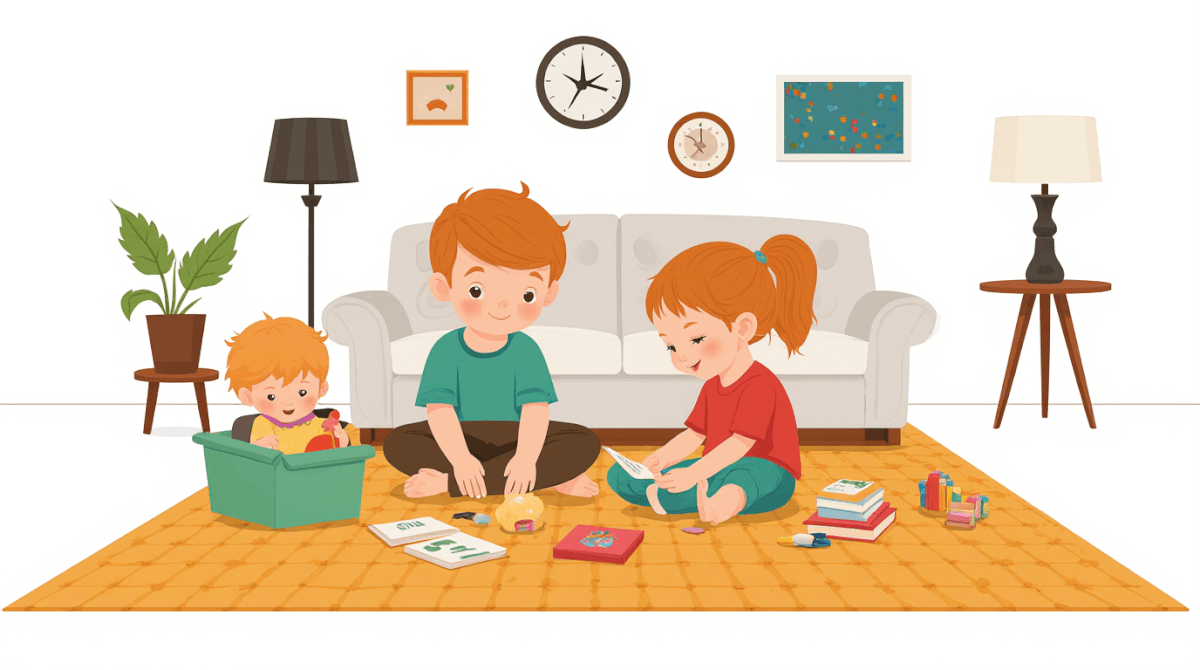
Internal discipline refers to a child’s ability to regulate their own behavior without constant external supervision. This critical skill is often developed through a combination of social and cultural influences as well as early experiences. By understanding the mechanisms that influence internal discipline, we can gain insights into how children learn to manage themselves effectively.
Children develop self-discipline by observing patterns in their environment and forming expectations about acceptable behaviors. If parents consistently enforce rules regarding homework completion and playtime, children start to understand that certain actions are rewarded or expected. This process is often seen in the context of family routines where children learn to anticipate what comes next, such as meal times or bedtime. Over time, these repeated experiences help shape a child’s internal clock, making them more likely to act according to societal norms without constant reminders.
The home environment plays a crucial role in fostering internal discipline. A stable and predictable household sets the foundation for self-regulation. When children experience consistent routines and clear expectations, they learn to anticipate what is required of them. This predictability helps build a sense of security that encourages children to develop their own strategies for managing tasks and emotions.
Cultural influences also significantly impact how children perceive discipline. Different cultures may emphasize varying values such as respect, punctuality, or self-reliance. In some communities, children are taught to follow community rules strictly, which can contribute to the development of internal discipline. In collectivist societies where group harmony is valued, children learn early on to consider others’ feelings and act accordingly. This socialization process helps them develop empathy and a sense of self-discipline.
Schools also provide an important setting for developing internal discipline. Educational environments often require students to adhere to specific rules and schedules, which can enhance their ability to regulate themselves over time. Teachers who employ consistent and fair disciplinary measures help create an atmosphere where children learn to manage their behavior. When a teacher consistently enforces deadlines and consequences for missing assignments, students begin to internalize these expectations and develop the discipline necessary to meet them.
Peer interactions further contribute to the development of internal discipline. Children often mimic behaviors they observe in peers, which can reinforce positive self-regulatory skills or, promote poor habits. If a child observes their friends consistently completing homework before engaging in leisure activities, they may be more likely to adopt this behavior as well. Social support from peers can also provide encouragement and accountability, further strengthening internal discipline.
The role of natural consequences is another significant factor in fostering self-regulation. When children face the natural outcomes of their actions, they begin to understand the relationship between cause and effect. If a child forgets their homework at home and consequently receives a low grade, they may learn to develop better organizational skills. Similarly, when children earn rewards for good behavior, such as extra playtime or privileges, it reinforces positive self-discipline. These experiences help children understand the importance of planning and preparation, contributing to their overall sense of responsibility.
While these mechanisms are effective in developing internal discipline, it is essential to recognize that individual differences can influence how quickly and effectively a child acquires this skill. Some children may require more explicit guidance or stricter rules before they develop internal discipline, while others might benefit from more flexible approaches that allow for self-discovery. Recognizing these differences enables caregivers and educators to tailor their methods appropriately, ensuring that every child has the opportunity to thrive.
It is important to address potential barriers to developing internal discipline. Children who experience high levels of stress or trauma may struggle with self-regulation due to the overwhelming emotional burden they carry. In such cases, providing additional support through counseling or therapy can be beneficial. Additionally, creating a supportive home environment that prioritizes emotional well-being can help mitigate these challenges.
Internal discipline is a complex skill developed through various mechanisms, including social and cultural influences, consistent routines at home, expectations set by schools, peer interactions, and the experience of natural consequences. By understanding how these factors interact, we can better support children in their journey to self-regulation. As they grow, this ability will serve as a foundation for responsible behavior and success in various aspects of life.
References:
– Dodge, K.A., & Conger, R.D. (2014). Parental socialization practices: Influences on child adjustment through early adolescence. *Developmental Psychology*, 37(3), 365-381.
– Weissbourd, R., Bullock, D., & Bartkowski, J.P. (2009). Moral development in children and adolescents. In W. Damon & R.M. Lerner (Eds.), *The handbook of child psychology: Volume 4* (6th ed.). John Wiley & Sons.


Be First to Comment