
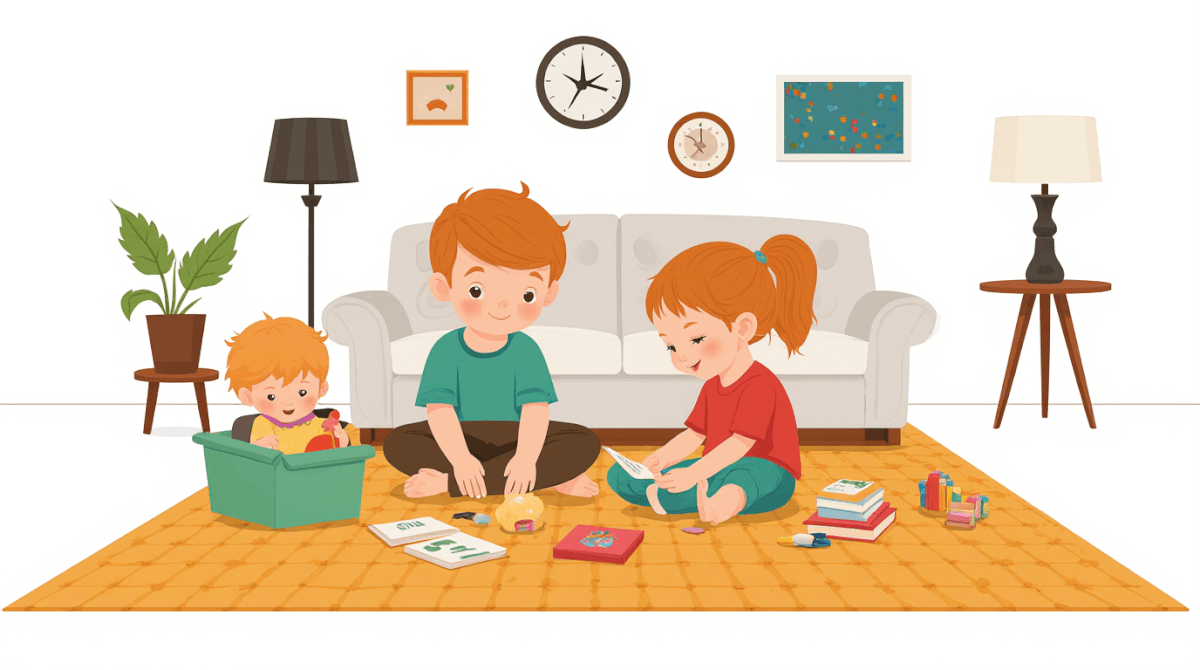
Children gradually develop inner discipline through a complex interplay of factors such as their environment, early experiences, social interactions, and cultural contexts. This process is not merely about following rules but encompasses the internalization of values, self-regulation, and the ability to control impulses for long-term goals. The influence of these factors can be observed in everyday behaviors and situations where children make choices that reflect a certain level of self-control.
One key mechanism through which inner discipline develops is the establishment of routines and structure within the home environment. A child who regularly follows a set bedtime routine learns to anticipate activities such as brushing teeth, reading a story, and then going to sleep. Over time, this predictability fosters an understanding that certain behaviors are associated with specific outcomes. This predictability also helps children develop the ability to delay gratification, which is fundamental for building self-discipline.
Consider the example of a child who enjoys watching cartoons but knows they have homework first. Initially, the child might rush through their tasks only to be disappointed by time limits on the TV. With consistent reinforcement and positive feedback from parents or guardians, the child begins to see that completing homework before playtime leads to more opportunities for leisure activities in the long run. This pattern reinforces the idea that self-discipline can lead to greater rewards.
The social environment also plays a crucial role in shaping inner discipline. Children observe the behaviors of adults and peers, which influence their own actions. If a child frequently witnesses their parents adhering to strict schedules and prioritizing responsibilities such as work or study, they are more likely to adopt similar habits. Similarly, children learn from observing how friends handle challenges or resist peer pressure, further shaping their own decision-making processes.
A practical scenario illustrates this point: In a classroom setting, when a teacher consistently enforces rules and maintains a respectful environment, students internalize these behaviors as part of their personal discipline. They begin to self-regulate in ways that align with the expectations set by the teacher and the broader community. This process is not instantaneous but develops gradually over time through repeated exposure and reinforcement.
Cultural contexts significantly impact how children develop inner discipline. Different cultures have varying norms and values that guide child-rearing practices. In some collectivist societies, there might be a greater emphasis on group harmony and cooperation, leading to different approaches to teaching self-discipline compared to individualistic cultures where personal achievement is often prioritized.
In many Western societies, the concept of “time-out” as a disciplinary measure reflects a cultural approach that emphasizes self-control and solitary reflection. In collectivist settings, discipline might be taught through group activities or collective reinforcement, fostering a sense of community and mutual support.
The development of inner discipline is not just about following external rules but also involves the internalization of values such as responsibility, honesty, and respect for others. These values are often instilled early on when children learn to understand the consequences of their actions. A child who learns that lying will result in trust issues within the family or community may begin to value truthfulness more highly over time.
As children grow older, they encounter increasingly complex social situations where inner discipline becomes even more critical. Peer interactions, school projects, and extracurricular activities all provide opportunities for practicing self-control and developing a sense of responsibility. A child working on a group project may face the challenge of balancing individual contributions with the needs of the team, thus learning to prioritize collective goals over personal desires.
The role of parental guidance in this process cannot be overstated. Parents serve as primary models and are often the first to introduce children to self-discipline through their own behaviors and attitudes. A parent who consistently models patience, perseverance, and hard work provides a blueprint for their child’s internal discipline. When a parent tackles a challenging task with determination and resilience, they implicitly teach their child how to handle adversity.
Another important factor is the feedback mechanism within families and communities. Praise for good behavior, constructive criticism of poor choices, and consistent enforcement of boundaries all contribute to the development of inner discipline. These forms of reinforcement help children understand what is expected of them and encourage them to make better decisions in the future.
The gradual development of inner discipline in children is a multifaceted process influenced by their environment, early experiences, social interactions, and cultural context. Through consistent routines, role modeling, feedback mechanisms, and exposure to complex social situations, children learn to regulate their behaviors, make responsible choices, and pursue long-term goals. This internalization of self-discipline sets the foundation for a well-adjusted adult life, equipped with the skills necessary to navigate various challenges.
This essay has aimed to provide an in-depth analysis of how inner discipline develops through specific mechanisms such as routines, social interactions, and cultural influences. By understanding these processes, one can appreciate the intricate nature of child development and the importance of creating supportive environments that foster self-discipline.


Be First to Comment