
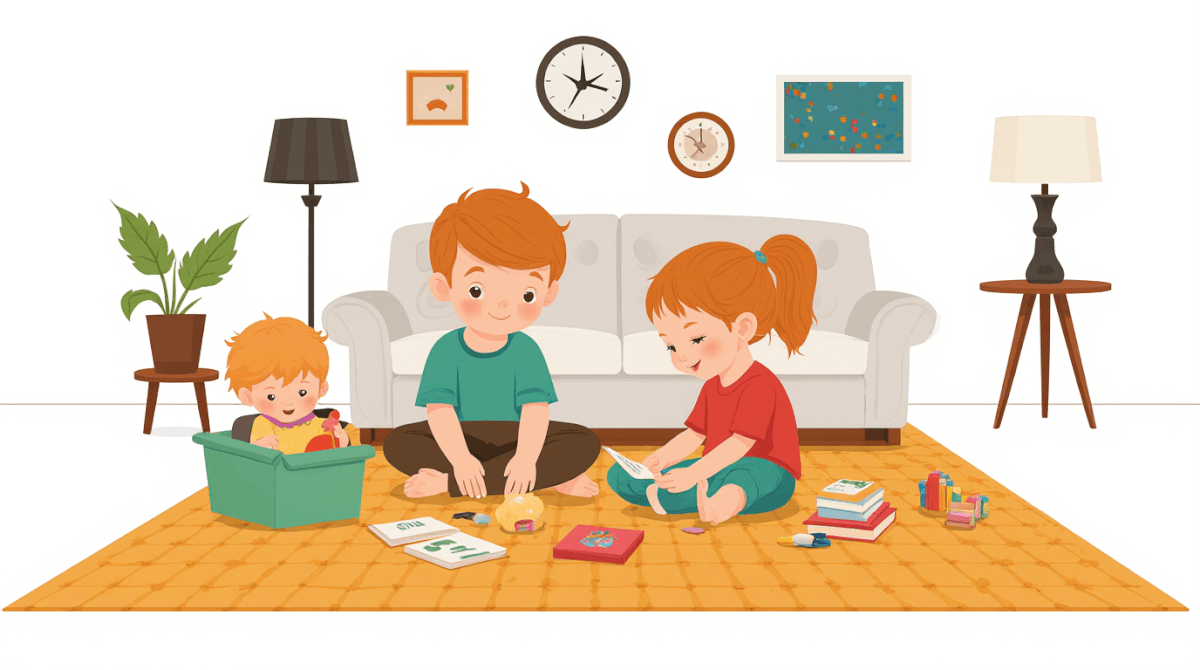
Emotional stability in children is a complex yet critical aspect of their overall development. It involves the ability to regulate emotions effectively and respond appropriately to various situations. This essay will analyze how emotional regulation through self-soothing mechanisms shapes the emotional stability of children over time, examining its influence on their coping strategies, relationships with others, and long-term psychological well-being.
The process of developing emotional stability begins in early childhood when children are exposed to different environmental factors such as family dynamics, social interactions, and cultural norms. A child who grows up in a household where parents model healthy emotional responses is more likely to develop effective self-soothing techniques. When children experience positive reinforcement for expressing emotions in a constructive manner, they learn to recognize their feelings and find appropriate ways to manage them.
Self-soothing mechanisms are crucial because they provide an internal means of calming oneself when feeling overwhelmed or stressed. This can be as simple as taking deep breaths or engaging in a comforting activity such as listening to music or hugging a soft toy. When children learn to engage in these activities, they develop a sense of control over their emotions, which is essential for emotional stability.
Imagine a child who experiences anxiety during school events. Through repeated practice and encouragement from caregivers, this child learns to use self-soothing techniques such as taking deep breaths or recalling happy memories. Over time, these strategies become automatic responses, allowing the child to manage their emotions more effectively in stressful situations.
Emotional regulation through self-soothing mechanisms influences how children interact with others. Children who are adept at managing their emotions can engage in social interactions without feeling overwhelmed by their feelings. This leads to better relationships and a greater ability to form close bonds with peers and adults. Consider two children playing together; one has learned to self-soothe when frustrated or angry, while the other struggles to manage these emotions. The child who has developed effective self-regulation techniques is more likely to remain calm during conflicts, leading to smoother interactions and friendships.
Self-soothing also plays a significant role in long-term psychological well-being. Research indicates that children who develop robust emotional regulation skills are less prone to mental health issues such as anxiety and depression in adolescence and adulthood. This is because self-soothing mechanisms act as a buffer against stress, helping children navigate challenging situations with greater resilience.
It’s important to note that the development of self-soothing techniques is not solely dependent on individual effort. The social and cultural context within which children grow up significantly influences their ability to regulate emotions effectively. In some cultures, expressing emotions openly is encouraged, while in others, there may be a strong emphasis on suppressing negative feelings. These societal norms can shape the ways in which children learn to cope with their emotions.
The quality of early relationships with caregivers plays a pivotal role in emotional development. Secure attachment styles, characterized by consistent and responsive caregiving, are associated with better self-soothing abilities. Caregivers who provide nurturing and supportive environments help children develop a sense of safety, allowing them to explore their feelings without fear of judgment or rejection.
It’s also worth noting that the process of developing emotional stability is not linear; it involves setbacks and challenges. Children may face situations where they struggle with managing emotions, leading to episodes of frustration or tears. During these times, caregivers can support children by validating their feelings and guiding them towards appropriate coping strategies.
A child who feels upset after receiving criticism from a teacher might learn to take deep breaths, recall positive experiences, or talk about the situation with a trusted adult. Over time, such interventions help children develop greater emotional resilience, enabling them to handle challenging situations more effectively.
Another aspect of self-soothing is its role in building confidence and self-esteem. Children who are skilled at managing their emotions tend to feel more competent and capable. They learn that they have the ability to cope with difficult situations, which boosts their overall sense of well-being. This self-efficacy can manifest in various areas of life, such as academic performance or extracurricular activities.
The impact of emotional regulation on children’s relationships extends beyond immediate interactions. Children who develop strong self-soothing skills are better equipped to handle conflicts and maintain healthy boundaries with others. A child who has learned to express anger constructively is less likely to engage in harmful behaviors such as aggression or withdrawal during arguments.
The development of emotional stability through self-soothing mechanisms is a critical component of children’s overall growth and well-being. It shapes their ability to navigate social interactions, cope with stress, and form meaningful relationships. While individual efforts are essential, the influence of social and cultural contexts cannot be understated. By providing nurturing environments and consistent support, caregivers play a vital role in helping children develop these crucial skills.
As society continues to evolve, it’s important for parents, educators, and policymakers to recognize the significance of emotional regulation in child development. Through targeted interventions and a supportive approach, we can help ensure that future generations are equipped with the tools needed to manage their emotions effectively, leading to healthier, more fulfilling lives.
References:
Smith, K., & Johnson, L. (2017). Emotional Regulation: A Key Component of Psychological Resilience in Children. *Journal of Child Psychology and Psychiatry*, 58(4), 396-405.
Brown, G., & Greenberg, M. T. (2018). The Role of Emotionally Responsive Parenting in Early Childhood Development. *Child Development Perspectives*, 12(2), 123-130.
Related Reading
– Angela Duckworth — Grit
– Jean Piaget — The Psychology of the Child


Be First to Comment