
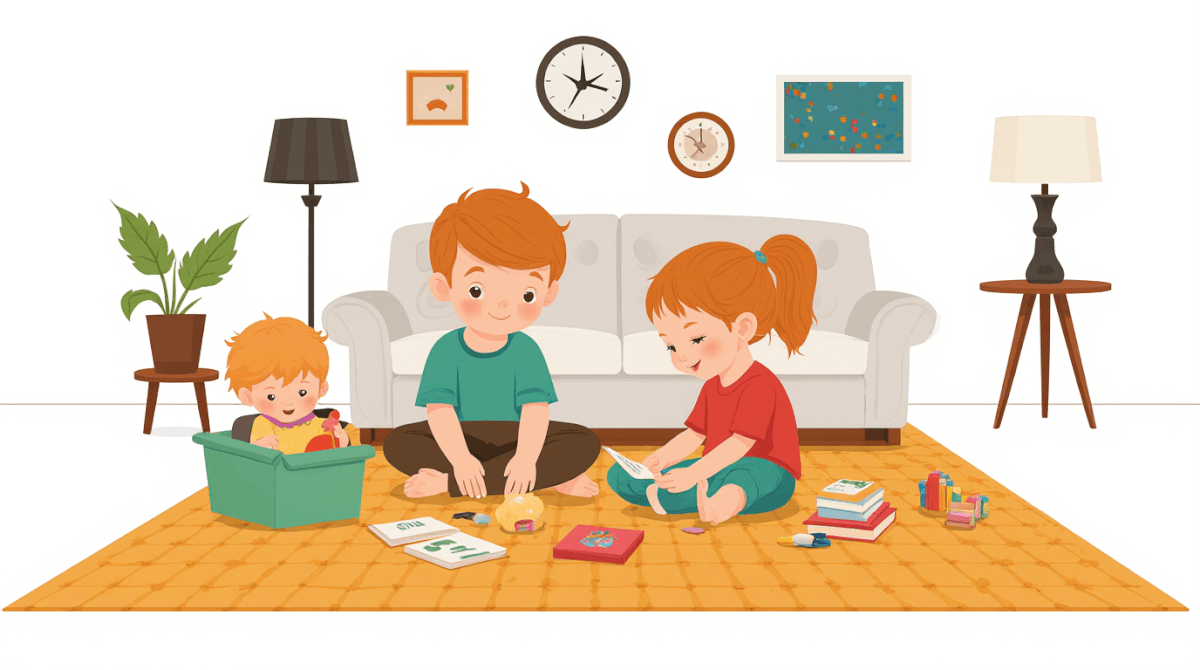
Children’s inner structures are like the framework of a house—built layer upon layer over time through various experiences and interactions with their environment. This inner structure is not just about physical growth but also encompasses emotional, social, and cognitive development. The process of building this inner structure is deeply influenced by the early environments in which children find themselves. A child’s first home—a safe space for nurturing and learning—plays a critical role in shaping their sense of self and how they navigate the world.
One specific mechanism through which the environment and early experiences influence the development of children’s inner structures involves the concept of attachment theory. Attachment theory posits that the emotional bond formed between a child and their caregiver during infancy sets the foundation for future relationships and personal development. This initial relationship is pivotal because it shapes how children perceive themselves, others, and their place in the world.
From a young age, infants form attachments through interactions with caregivers who provide consistent care, affection, and responsiveness to their needs. When a baby cries, a responsive caregiver soothes them by holding or feeding them, which reinforces a sense of security and trust. This early bond serves as a template for how children will approach relationships in the future. If a child consistently receives warm, nurturing responses from caregivers, they are more likely to develop into adults who form close, trusting relationships later in life.
When a caregiver is unreliable or unresponsive, a child may experience chronic stress and anxiety. This can lead to what researchers call “insecure attachment,” characterized by feelings of mistrust, fear of intimacy, or difficulty forming deep connections. Such experiences can affect the way children process emotions and form relationships in their social circles and eventually in their adult lives.
The environment also plays a crucial role through its influence on cognitive development. Early childhood education environments, whether at home or in preschools, provide structured opportunities for exploration, learning, and skill-building. When young children engage in activities like building blocks or solving puzzles, they develop problem-solving skills and spatial reasoning abilities. These experiences contribute to the internal framework of their minds, helping them organize information and navigate complex tasks.
Exposure to diverse cultural practices and values can significantly shape a child’s inner structure. In families that celebrate multiple traditions, children learn about different perspectives and ways of understanding the world. This diversity not only enriches their cognitive development but also fosters adaptability and empathy. In homes where multiple languages are spoken, children develop bilingual abilities that can enhance their cognitive flexibility—allowing them to think more creatively and solve problems from various angles.
The impact of early experiences on a child’s inner structure extends beyond just individual relationships and cognitive skills; it also influences how they regulate emotions. Emotional regulation refers to the ability to manage one’s feelings effectively, whether in response to stress or joy. Children who grow up with caregivers who model healthy emotional expression and provide guidance on coping strategies tend to develop robust emotional regulatory skills.
Imagine a child who grows up observing their parents calmly dealing with frustrations by taking deep breaths or engaging in physical activity rather than yelling or lashing out. Over time, this child learns that emotions are manageable and can be handled constructively. This internalization of coping mechanisms becomes part of the child’s inner structure, helping them navigate challenging situations more effectively.
Children who experience frequent emotional turmoil without adequate support may struggle with managing their feelings. They might become easily overwhelmed or show signs of anxiety when faced with minor stressors. Such experiences can lead to a less stable internal framework for emotions and behaviors, making it harder for these individuals to find balance in their lives.
The process by which the environment shapes inner structures is not static; it continues throughout childhood and beyond. As children grow, they encounter new situations that further refine their existing frameworks. When faced with school challenges or peer interactions, a child who has developed strong emotional regulation skills will be better equipped to handle these experiences positively.
The development of inner structures in children is intricately tied to early environments and experiences. The mechanisms through which this happens—such as attachment theory, cognitive learning, cultural influences, and emotional regulation—are crucial for understanding how children build their internal worlds over time. These processes interact dynamically, shaping not only a child’s immediate responses but also laying the groundwork for future development and relationships.
This interplay between environment and personal growth highlights the importance of creating nurturing and supportive environments for all children. By recognizing these foundational mechanisms, society can better support the holistic development of young individuals, helping them build robust inner structures that serve them well into adulthood.


Be First to Comment