
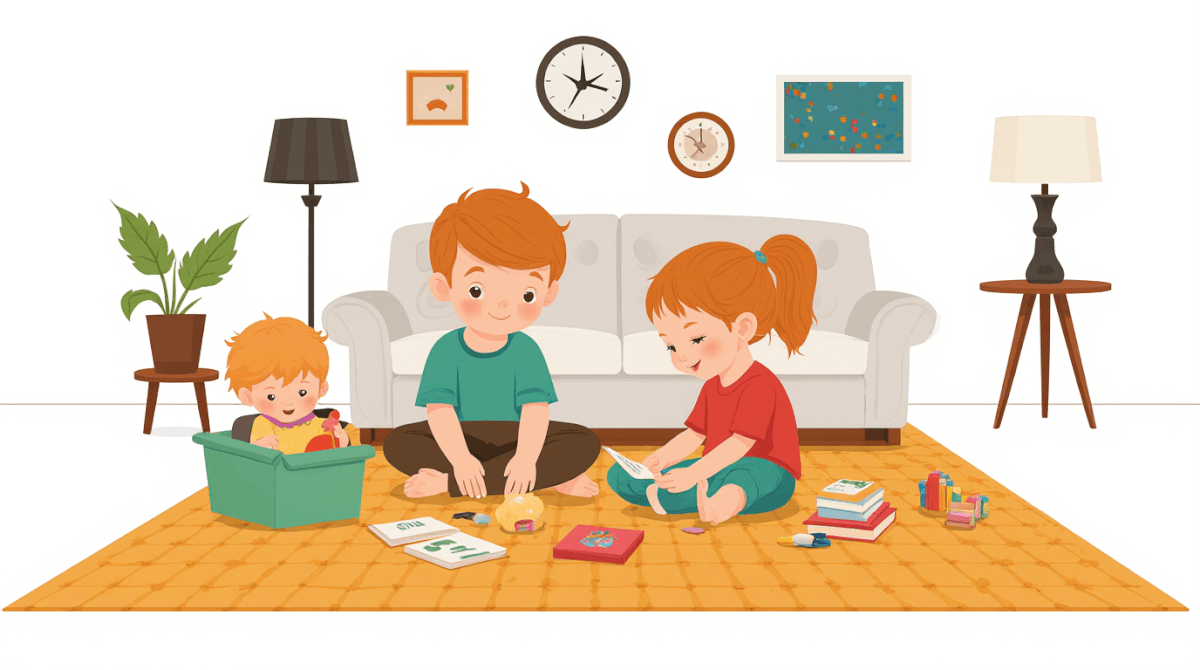
Children build courage through security, which is a mechanism that fundamentally shapes their psychological resilience and emotional well-being. Security in this context refers to the sense of safety, stability, and trust they experience within their environment—particularly from caregivers and their immediate surroundings. This foundation provides them with the confidence to explore and engage with the world around them without fear, allowing them to navigate challenges with greater ease. By examining how security influences courage, we can understand that it acts as a protective buffer against anxiety and stress, enabling children to face adversity more effectively.
The environment plays a crucial role in fostering this sense of security. When caregivers consistently respond to their children’s needs—whether emotional or physical—the child learns to trust these interactions. Such consistent support helps the child form secure attachments, which are critical for psychological development. According to Attachment Theory by John Bowlby, secure attachment is characterized by a child feeling safe and confident in exploring the world because they know that their caregiver will be there to provide comfort when needed. If a young child falls while learning to walk but knows that Mom or Dad will catch them, they are more likely to continue trying new things without fear of failure.
Early experiences significantly influence this process. Positive interactions with caregivers during the early years can create a foundation for resilience and courage later in life. A study by Masten (2014) highlights that children who experience secure attachments tend to be better equipped to handle stressors, such as moving to a new school or coping with separation anxiety. These experiences lay down neural pathways that support emotional regulation and cognitive flexibility—essential components of developing courage.
The mechanism of security in building courage operates through several interconnected steps:
1. **Stress Buffering:** Secure relationships act as a buffer against stress. When children feel safe, their bodies release less cortisol—a hormone associated with stress. When faced with a challenging task at school, a child who has experienced secure attachment might feel more confident in tackling it because they trust that their caregiver will be supportive if needed.
2. **Emotional Regulation:** Secure environments help children develop better emotional regulation skills. This means they can manage feelings such as anger or fear more effectively. If a young child encounters a loud noise and feels scared, knowing that Mom is nearby can help them regulate their emotions by calming down faster.
3. **Exploration and Curiosity:** With security comes the freedom to explore and learn without excessive worry about safety. Children who feel secure are more likely to engage in activities that foster curiosity and problem-solving skills. This exploration not only enhances cognitive development but also builds a sense of competence, which is fundamental to courage.
4. **Social Skills Development:** Secure environments support the development of social skills, including empathy and cooperation. These skills enable children to navigate relationships more effectively, which is crucial for building confidence in various social settings. Learning to share toys or take turns during play can foster a sense of community and mutual respect, enhancing overall emotional security.
5. **Resilience Building:** Over time, the consistent support and reassurance provided by secure environments help children develop resilience. Resilience is the ability to bounce back from adversity and overcome challenges. When faced with setbacks or failures, children who have experienced a supportive environment are more likely to view these experiences as temporary obstacles rather than insurmountable barriers.
6. **Cognitive Flexibility:** Secure attachments contribute to cognitive flexibility—being able to adapt to new situations by thinking in different ways. This flexibility is essential for problem-solving and innovation. If a child faces a difficult math problem, knowing that they can approach it from various angles due to their secure environment can help them find a solution more quickly.
7. **Self-Efficacy:** Secure environments support the development of self-efficacy—the belief in one’s ability to succeed. When children consistently experience success and support, they are more likely to view themselves as capable individuals who can handle challenges. This internal belief in their own abilities fosters courage and resilience in various situations.
8. **Modeling Behavior:** Caregivers’ behavior serves as a model for children. If caregivers demonstrate courage by facing fears or overcoming obstacles, children are more likely to emulate this behavior. If Dad faces a difficult situation at work and talks about it openly, the child may learn that it is okay to face challenges head-on.
The interplay between security and courage also involves cultural and relational contexts. Different cultures have unique ways of fostering security, which in turn influence how children develop courage. In collectivist societies, where group harmony and social cohesion are highly valued, security might be built through communal support systems rather than just individual caregivers. If a child encounters a problem at school, the entire community might rally to offer support, reinforcing their sense of belonging and security.
In more individualistic cultures, children might build their courage by setting personal goals and working independently to achieve them. This approach emphasizes self-reliance and can be particularly effective in fostering intrinsic motivation and resilience.
The mechanism through which security builds courage is a complex and multifaceted process that involves stress buffering, emotional regulation, exploration, social skills development, resilience building, cognitive flexibility, self-efficacy, and modeling behavior. These elements work together to create an environment where children can thrive emotionally, psychologically, and socially. While cultural contexts shape the nature of security, the underlying principles remain consistent: providing a stable, supportive, and encouraging environment is crucial for fostering courage in children.
References:
Masten, A. S. (2014). Ordinary magic: Resilience processes in development. American Psychologist, 69(5), 251-267.
Bowlby, J. (1988). A secure base: Parent-child attachment and healthy human development. Basic Books.
Related Reading
– Allan Schore — Affect Regulation and the Origin of the Self
– Mihaly Csikszentmihalyi — Flow (applied to childhood development)


Be First to Comment