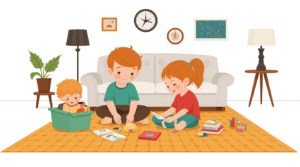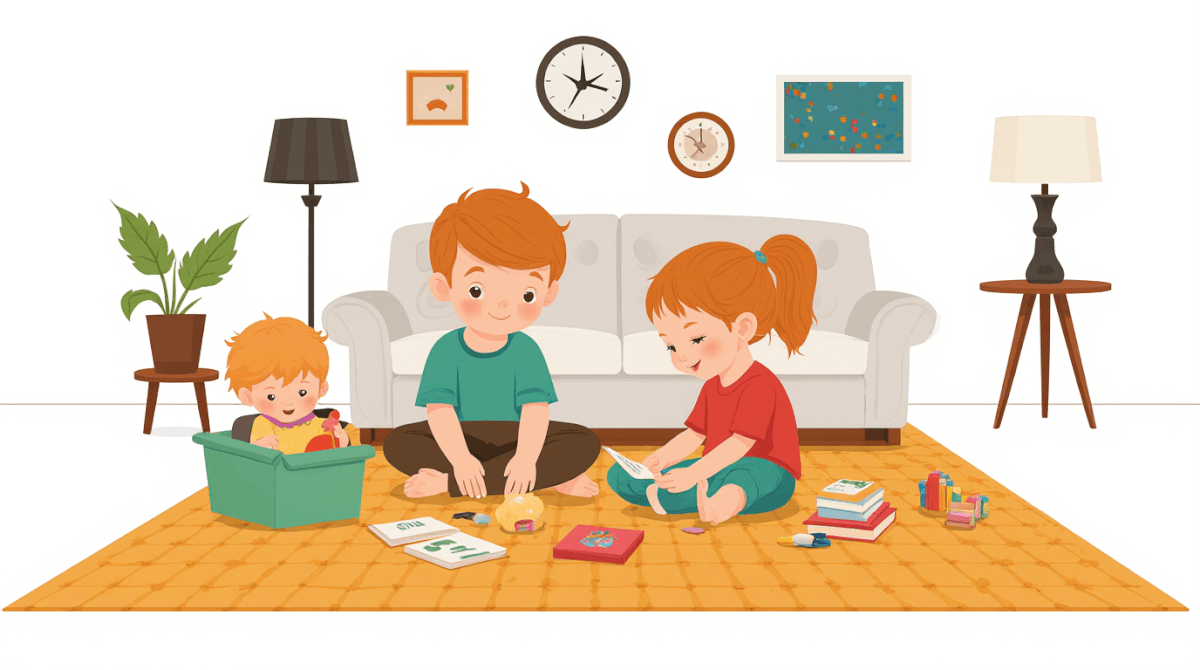
Children build confidence through stability, a process that unfolds in the earliest years of life and shapes their psychological resilience for years to come. Stability, in this context, refers to the consistent support and predictability provided by a child’s environment—both physical and emotional—which enables them to develop a sense of security and control over their world. This essay will explore how stability serves as a foundational mechanism for fostering confidence among children, analyzing its influence through the lens of daily routines and the role they play in shaping a child’s cognitive and emotional development.
Daily routines are one of the most powerful tools parents and caregivers can use to instill a sense of predictability and security in a child’s life. These routines can range from simple morning rituals like brushing teeth or getting dressed, to more complex structures such as regular meal times, bedtime routines, and homework schedules. The consistency inherent in these daily practices helps children understand that their lives are not chaotic but governed by reliable patterns. The process of waking up at the same time each day, followed by a predictable sequence of activities—like eating breakfast, playing with toys, and then heading to school—allows children to anticipate what will happen next. This predictability provides a psychological anchor that reduces anxiety and uncertainty, making it easier for them to focus on tasks and form positive interactions.
The impact of daily routines extends beyond just creating a sense of order; they also serve as a vehicle through which essential life skills are learned and reinforced. The routine of cleaning up toys after playtime teaches children responsibility and organization. Similarly, setting aside dedicated time for reading or storytelling at bedtime not only helps in establishing healthy sleep habits but also nurtures cognitive development by exposing children to new words and ideas. These activities contribute to a child’s growing sense of competence and self-efficacy, further bolstering their confidence.
The stability provided by daily routines is closely tied to the emotional security that children derive from them. When children know what to expect each day, they feel safer and more secure in their environment. This emotional security can be particularly crucial during times of transition or stress. Moving to a new house or starting at a new school might cause significant anxiety for many children. The familiarity and comfort provided by consistent daily routines help mitigate these fears, allowing children to adapt more easily to change.
In addition to their direct impact on individual children, stable environments also play a critical role in the broader social and cultural context. Stable communities—ones that support families with resources and opportunities—are more likely to foster confident and resilient individuals. Neighborhoods where local businesses remain open late provide parents with the flexibility to complete daily tasks without constant anxiety about their financial situation or childcare arrangements. Similarly, schools that maintain consistent schedules and expectations for behavior create an environment in which all students can thrive.
The influence of stable environments extends beyond the immediate family unit to include extended networks such as friends, neighbors, and community organizations. Regular attendance at after-school clubs or sports teams provides children with additional sources of support and encouragement outside their home environment. These interactions reinforce the sense of belonging and validation that is so crucial for building confidence.
Stability, through daily routines and broader environmental factors, plays a pivotal role in shaping how children develop confidence. By providing predictability, structure, and emotional security, stable environments enable children to navigate their world with greater ease and assurance. This process is multifaceted, encompassing both personal experiences within the home and larger social contexts that contribute to overall well-being. The long-term benefits of such stability are profound, laying a solid foundation for future success in various aspects of life.
It is important to note that while daily routines and stable environments are crucial, they must be complemented by positive parenting practices, supportive schools, and inclusive communities. The work of psychologists like Martin Seligman highlights the importance of ‘learned helplessness’ versus resilience. A child’s ability to overcome challenges and maintain a sense of optimism is greatly enhanced when they experience consistent support and encouragement from those around them.
In summary, by understanding how stability shapes children’s confidence through daily routines and broader social contexts, we can better appreciate the critical role that structured environments play in fostering psychological well-being. This knowledge underscores the importance of creating supportive, stable spaces for children to grow and thrive.
Related Reading
– Alison Gopnik — The Philosophical Baby
– Daniel Kahneman — Thinking, Fast and Slow (developmental implications)