
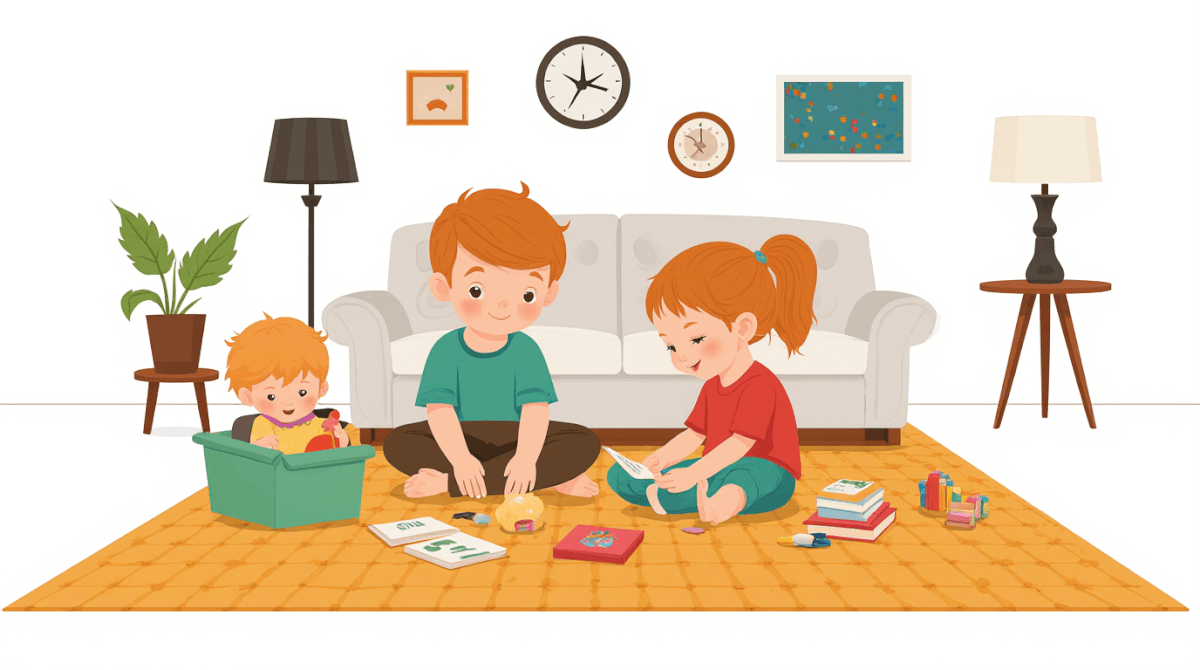
Calm responses play a crucial role in shaping emotional growth, influencing how individuals navigate and process their emotions effectively. Emotional growth is a complex process that is deeply influenced by the environment and early experiences; calm responses act as a mediator, helping to create an atmosphere where children can develop resilience, empathy, and self-regulation skills. The mechanism through which this occurs involves the interplay between emotional regulation strategies, the impact of supportive environments, and the development of secure attachment styles.
The first step in understanding how calm responses shape emotional growth is recognizing the importance of emotional regulation. When faced with a challenging situation, children may experience a range of emotions such as fear, anger, or sadness. If adults respond calmly and rationally to these emotions, they provide a model for the child to follow. When a young child drops their toy and starts to cry, a parent who responds by staying calm, offering comfort, and explaining why it is okay to feel sad helps the child learn that it is safe to express emotions and that there are appropriate ways to do so.
In this context, calm responses serve as a calming influence. They help lower the intensity of the child’s emotional response, making it easier for them to process their feelings without becoming overwhelmed. This process is not merely about suppressing emotions but rather understanding and managing them in a healthy way. Calm responses encourage children to view difficult situations as manageable and to develop strategies to cope with stress.
The impact of supportive environments on emotional growth cannot be overstated. A calm, nurturing environment provides the necessary conditions for emotional development. This includes physical comfort (like a cozy room) and emotional support (like empathetic listening). When a child faces an anxiety-inducing situation like starting school for the first time, having a parent who remains patient and reassuring can significantly mitigate the stress involved. The calm responses in such moments reinforce the idea that the world is not entirely unpredictable or dangerous, thereby fostering a sense of security.
The development of secure attachment styles is another critical aspect influenced by calm responses. Securely attached children are more likely to develop strong social bonds, trust others easily, and navigate relationships with confidence. A parent who consistently provides calm, supportive presence during emotional episodes helps build this security. If a child falls and scrapes their knee, a parent’s gentle touch, words of encouragement, and practical help in applying a bandage can reassure the child that they are safe and supported.
Research by Ainsworth (1970) has shown that children who experience consistent calm responses from caregivers tend to develop more secure attachment styles. These children exhibit greater emotional stability and social competence as they grow older, demonstrating an ability to handle stress and maintain healthy relationships based on mutual trust and respect.
The process of learning through observation is also significant in this context. Children learn by imitating the behavior of their caregivers and role models. When adults remain calm during emotionally charged situations, children internalize these behaviors, gradually adopting similar strategies when facing challenges themselves. A child who observes a parent calmly handling an argument between siblings may be more likely to use rational thought and controlled emotion in their own interactions.
The role of cultural contexts in shaping emotional growth is also important. Different cultures have varying norms for expressing emotions and managing stress, which can influence how children learn to regulate their feelings. In societies that highly value emotional restraint and stability, such as many East Asian cultures, calm responses are often the norm. In more expressive cultures like some African or Latin American communities, emotional expression might be encouraged but still managed with a degree of control.
It is also worth noting how environmental factors, including social support networks, play into this process. Schools and peer groups that foster a supportive environment can reinforce the benefits of calm responses. When teachers and peers exhibit understanding and patience during stressful situations, children are more likely to emulate these behaviors in their interactions with others.
Calm responses significantly shape emotional growth by promoting effective emotional regulation, fostering secure attachment styles, and creating supportive environments. These factors collectively contribute to the development of resilient individuals who can navigate life’s challenges with greater ease and confidence. The long-term benefits of such an approach extend far beyond childhood, impacting social interactions, mental health, and overall well-being into adulthood.
References:
Ainsworth, M. D. S. (1970). Patterns of attachment: A psychological study of the strange situation. Harvard University Press.


Be First to Comment