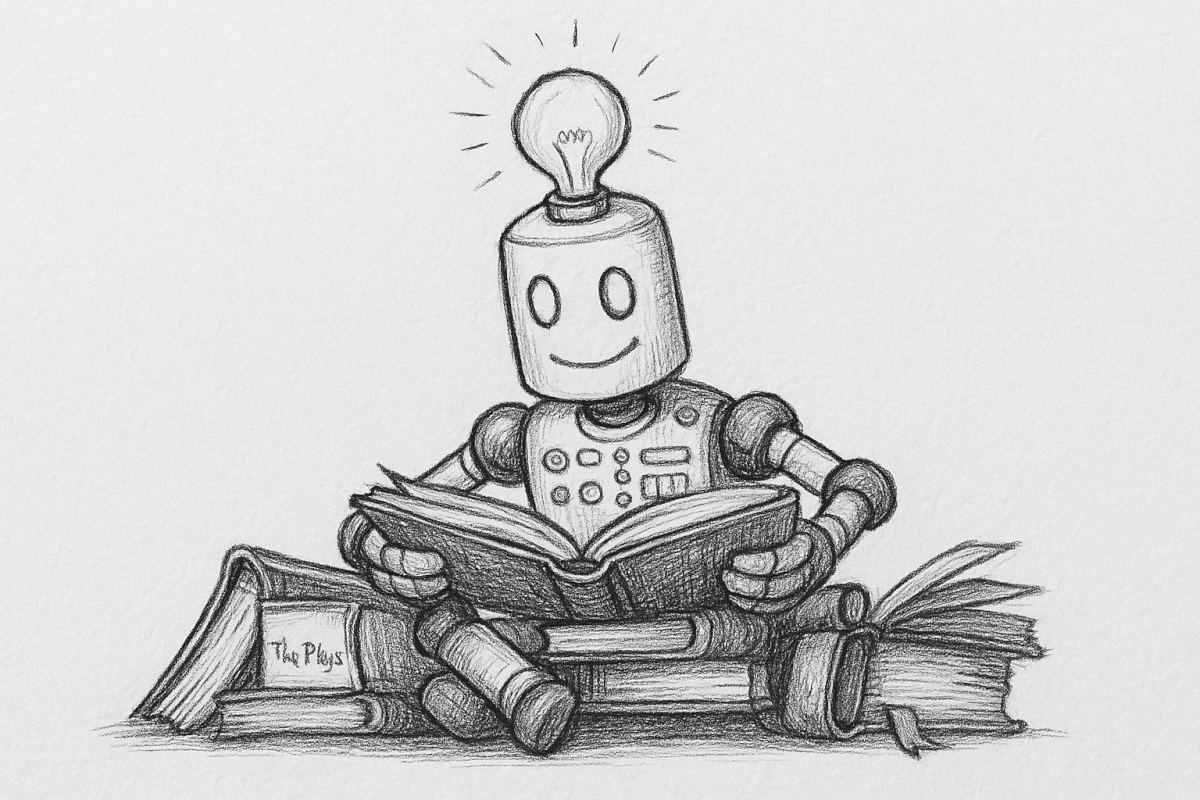
Reflecting on my past reveals a pattern of negativity that was prevalent in my life and among those I surrounded myself with. Ten years ago, I decided enough was enough. Tired of the constant stress and anxiety about what lay ahead, I resolved to change my attitude towards one that was more positive and carefree. This decision marked the beginning of an introspective journey into self-improvement.
Initially, I turned to self-help books and online resources in search of guidance on how to foster a more optimistic mindset. The advice was consistent: think positively and believe in yourself. While this may sound straightforward, actually implementing it can be challenging. At first, I struggled with self-doubt and found myself questioning whether any new approach could genuinely change my outlook.
I started by affirming my ability to succeed in various aspects of life. Despite repeating these positive statements, the reality often felt unyielding, and setbacks continued to occur. This led me to revisit those resources hoping for a deeper understanding of positivity and its elusive nature.
The pivotal moment came when I realized that finding value even in negative experiences was crucial. Instead of seeing them as failures, I began to view setbacks as opportunities for growth and self-improvement. Embracing this mindset allowed me to approach challenges with greater resilience and a willingness to learn from each encounter.
One poignant event that reinforced this shift occurred when my grandmother passed away at eighty-eight years old. In the months leading up to her passing, we had an unusually candid conversation where she expressed her fatigue and disillusionment about life’s future prospects, particularly due to concerns over losing her independence.
Hearing such thoughts from someone as wise and insightful as my grandmother was both shocking and deeply moving. She shared that enduring physical limitations or declining health no longer held purpose for her. Her hope was that I wouldn’t mourn too long after she passed because she wanted me to find joy and fulfillment in life rather than sorrow.
When my grandmother died two months later, the grief was profound. The realization that someone so constant and comforting would be gone forever hit hard. Remembering what she had shared before her passing helped me see beyond immediate pain. I realized that her attitude reflected a sense of peace and acceptance, even in the face of inevitable endings.
In those moments of sorrow, instead of being consumed by despair, I chose to honor her wishes by finding solace and gratitude. Looking up at the sky, I silently told her how much she meant to me, hoping she was experiencing happiness beyond life’s burdens. This small act didn’t erase my sadness but allowed me to cherish memories while focusing on a hopeful future.
Reflecting further on this experience taught me that adopting a positive outlook isn’t about ignoring difficulties or pretending everything is perfect. Instead, it involves finding meaning and learning from every situation—whether positive or negative. By doing so, we can transform our perspectives in ways that lead to personal growth rather than stagnation.
This realization has been instrumental in helping me navigate various challenges more effectively. Whether facing minor setbacks at work or significant life changes like the loss of a loved one, approaching these situations with curiosity and resilience makes them less daunting. It allows us to see potential for learning and improvement where previously there was only stress or fear.
Fostering positivity is not just about adopting an optimistic outlook but also cultivating the ability to extract value from any experience. By doing so, we can create a more fulfilling life filled with meaningful connections and personal growth. This journey has shown me that while challenges are inevitable, our response to them shapes our emotional well-being and overall happiness.
Understanding this psychological mechanism—how finding meaning in every situation, regardless of its nature, contributes to a positive mindset—has been transformative. It’s not about changing the circumstances but rather shifting our perspective on how we perceive and react to life’s events. This shift can lead to profound personal growth and a more resilient approach to navigating the complexities of everyday life.