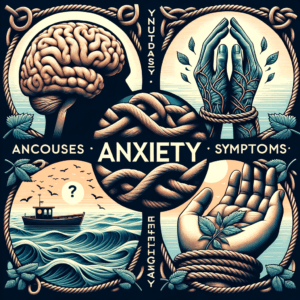
Anxiety often manifests as overwhelming fear and unease that disrupts daily life. This experience is driven by the brain’s rapid response to perceived threats, whether real or imagined. When faced with stressors, our bodies initiate a cascade of physiological reactions designed to protect us from danger. The amygdala, an almond-shaped structure in the brain’s limbic system, becomes hyperactive and releases neurotransmitters like adrenaline and cortisol. These chemicals prompt the fight-or-flight response, which is crucial for survival but can be debilitating when triggered frequently or unnecessarily.
Imagine being stuck in traffic, late for a crucial meeting, and suddenly feeling your heart race as if you were running from an attacker. Your palms sweat, your breath quickens, and you feel dizzy. This scenario illustrates how everyday stressors can trigger anxiety symptoms that mimic physical illnesses like heart attacks. Both conditions share similar outward signs such as chest pain, rapid heartbeat, dizziness, and shortness of breath. The confusion arising from these overlapping symptoms underscores the importance of understanding the root causes of anxiety to manage it effectively.
Anxiety often begins with a thought—a worry about an upcoming presentation at work or concern over financial stability—that spirals into intense emotional distress. This cognitive process initiates a chain reaction in the body, as stress hormones flood our system and activate the sympathetic nervous system. Our breathing becomes shallow and rapid, leading to hyperventilation, which can cause lightheadedness and chest pain. These physical symptoms feed back into our perception of danger, exacerbating anxiety further.
One effective way to counteract this cycle is by focusing on breath control. Deep breathing techniques help regulate the nervous system and reduce stress hormones that contribute to heightened anxiety levels. A simple method involves inhaling slowly through the nose for a count of four, holding the breath briefly, then exhaling gently through the mouth over a longer duration. Repeating this process several times can gradually stabilize respiratory patterns, easing physical discomfort and reducing emotional distress.
Maintaining proper posture is also vital during an anxiety attack. Slouching or hunching compresses vital organs like the lungs and heart, potentially exacerbating breathing difficulties and chest pain. Sitting upright with shoulders back and head held high allows for better oxygen intake and circulation, alleviating some of the physical constraints that can intensify anxiety symptoms.
Engaging in distraction techniques is another powerful tool against anxious episodes. These strategies divert mental focus from distressing thoughts to neutral or positive activities, thereby reducing the intensity of anxious feelings. Simple distractions like counting objects in a room, reciting poems, or solving basic math problems can be highly effective as they engage cognitive resources and interrupt negative thought cycles.
Cold water can also provide immediate relief by triggering a physiological response known as “cold shock.” Splashing cold water on your face or holding ice cubes momentarily shifts focus away from anxiety symptoms. It’s important to use caution to avoid hypothermia or other adverse reactions.
Engaging in conversation about topics unrelated to one’s anxiety is another useful coping mechanism. Speaking with someone who provides calm support and distraction can help shift attention from anxious thoughts. This social interaction releases endorphins that promote relaxation and ease the intensity of an attack.
Understanding the mechanisms behind anxiety attacks involves recognizing how environmental triggers or thought patterns initiate stress responses in the body. Many individuals experience episodes stemming from a buildup of daily pressures, unresolved issues, or past traumas manifesting as physical symptoms. The brain’s amygdala becomes overactive during these times, releasing neurotransmitters that prepare the body for perceived threats.
This heightened state triggers physiological changes such as increased heart rate, sweating, muscle tension, and rapid breathing. If left unaddressed, prolonged activation of this system can lead to chronic anxiety disorders characterized by persistent worry and apprehension. Recognizing these processes helps individuals become more attuned to early warning signs and implement preventative measures before symptoms escalate.
In summary, managing an anxiety attack requires a combination of physiological adjustments like controlled breathing, maintaining good posture, and engaging in distraction techniques. These actions can help mitigate the intensity of symptoms and restore balance to the body’s systems. While these strategies are beneficial for immediate relief, it is crucial for individuals experiencing frequent or severe attacks to seek professional support from mental health providers who can offer tailored strategies and long-term solutions.
By integrating practical approaches with a deeper understanding of anxiety mechanisms, people can better navigate episodes and improve overall emotional well-being. This holistic approach not only addresses the symptoms but also helps build resilience against future stressors, fostering a healthier relationship with one’s own emotions and reactions.