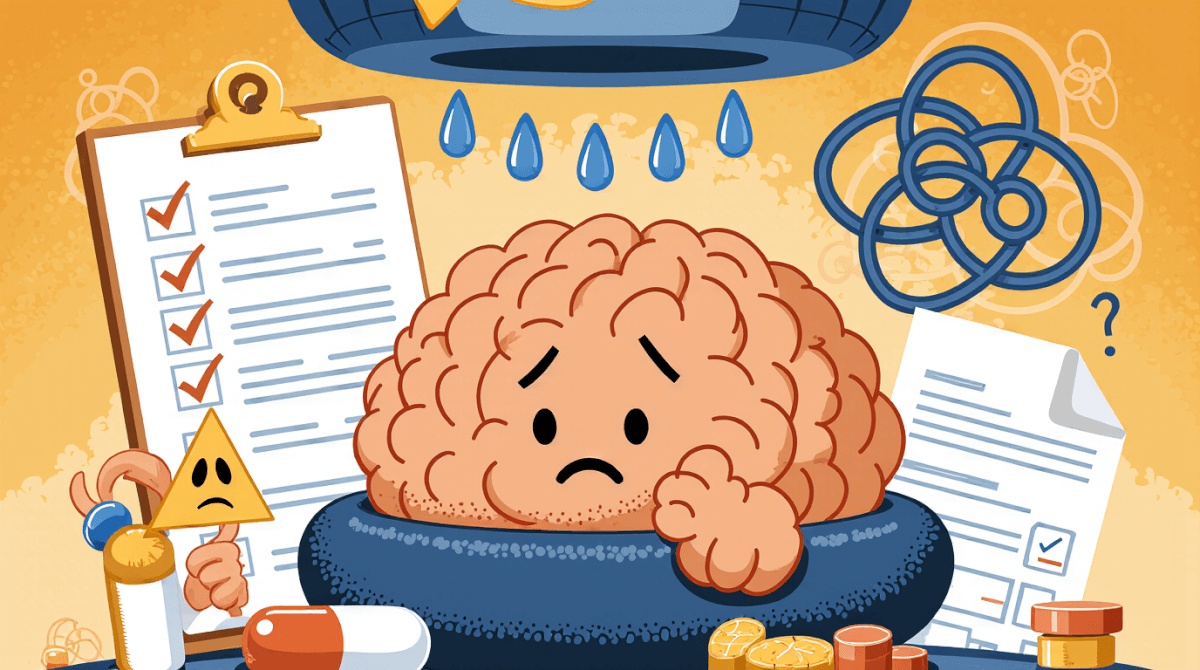
The human mind, like any other organ, requires rest and recuperation. In the modern context, continuous stimulation and the pressure to be constantly connected can fragment our attention and deplete our mental resources. Just as a muscle that is overworked will tire and weaken, so too can the mind become fatigued by relentless cognitive load. The constant stream of notifications, emails, social media updates, and work tasks can create a state of hyperarousal, making it difficult for the brain to process and integrate new information or emotions effectively.
When attention is constantly divided or overburdened, it becomes challenging to focus on any one thing for extended periods. This fragmented attention can make it harder to form coherent thoughts and feelings. Imagine trying to solve a complex problem while simultaneously engaging in several tasks; the parts of the brain responsible for deep concentration are often left underutilized, leading to a sense of mental exhaustion. Over time, this can result in a cognitive fatigue that further contributes to emotional inertia.
Emotional neglect can exacerbate feelings of being emotionally stuck. When individuals are not given the space and support to process their emotions, they may find themselves struggling to articulate or understand what they are feeling. Emotional neglect can manifest in various ways: in families where open expression of feelings is discouraged, in workplaces that prioritize productivity over well-being, or even in personal relationships where partners do not make time for meaningful conversations. The absence of a supportive environment can leave individuals feeling lost and unable to navigate their emotions effectively.
Another aspect to consider is the role of boundaries in emotional life. Boundaries are crucial for maintaining mental health; they help delineate what we are comfortable with and what we are not. In environments where boundaries are frequently ignored or disregarded, individuals may find themselves experiencing a sense of emotional disorientation. In workplaces where colleagues regularly interrupt meetings or impose their opinions without consent, the ability to process and express one’s own emotions can be stifled. This can lead to a feeling of being constantly on the defensive, which over time can result in emotional exhaustion.
Rest is another critical factor that cannot be overlooked. The human body, including the brain, requires periods of rest to rejuvenate and recover. The constant barrage of information and demands can make it challenging to achieve true rest. Even when individuals are physically resting, their minds may remain active, processing endless streams of data from various sources. This lack of genuine rest can contribute to a sense of emotional inertia, as the body and mind never fully have the chance to reset and recalibrate.
Reflection is another key component in overcoming feelings of emotional stickiness. When individuals take the time to reflect on their experiences and emotions, they allow themselves to process and understand what they are feeling more deeply. Reflection can be as simple as journaling about one’s day or engaging in a mindfulness practice like meditation. These activities provide a space where thoughts and emotions can be explored without immediate judgment or distraction. By taking the time to reflect, individuals may gain insights into their emotional patterns and triggers, which can help them navigate their feelings more effectively.
Patterns of behavior also play a significant role in the experience of feeling emotionally stuck. Individuals who consistently suppress their emotions may find it increasingly difficult to express them openly. Over time, this suppression can lead to a build-up of unprocessed emotions that manifest as frustration, anxiety, or depression. Recognizing these patterns and understanding their origins is a crucial step toward breaking the cycle of emotional inertia.
Feeling emotionally stuck is a complex experience that arises from the interplay of various psychological and environmental factors. It is characterized by a state of mental and emotional exhaustion, often resulting from a combination of mental overload, emotional neglect, and the lack of boundaries and rest. By recognizing these patterns and understanding their impact, individuals can begin to take steps toward breaking free from emotional inertia and reclaiming their emotional well-being.