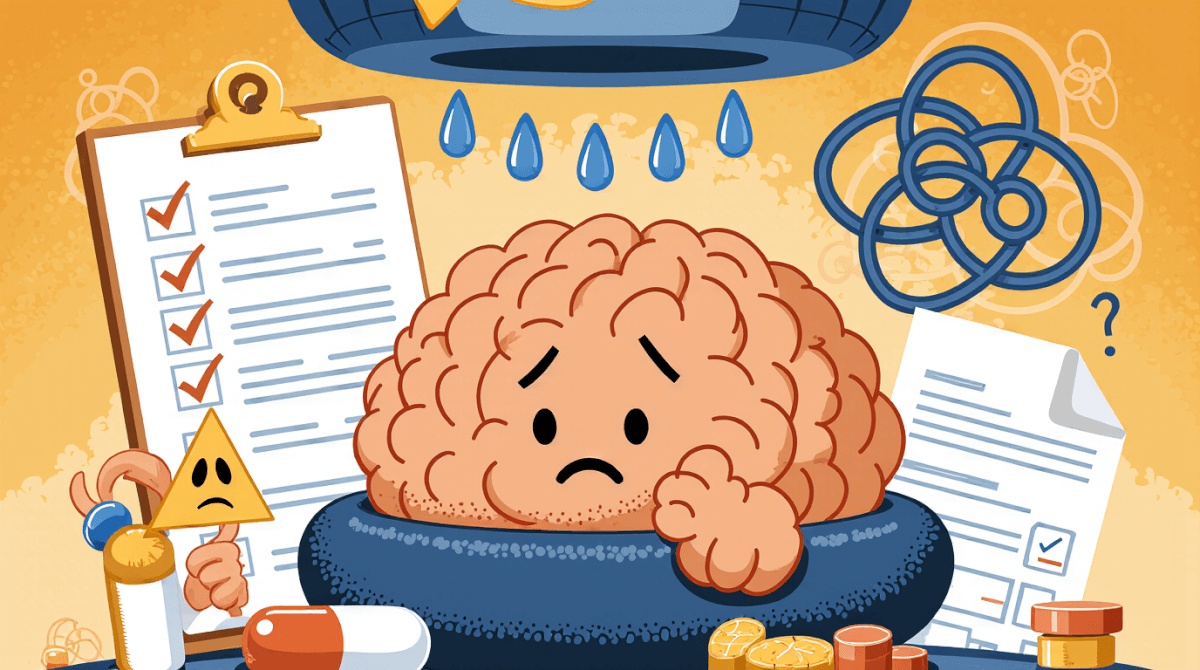
When the mind is continually bombarded with information, tasks, and demands, the ability to process and prioritize information becomes strained. Mental overload occurs when there is a mismatch between the cognitive load required by a task or situation and the available resources to manage it. This can lead to a feeling of being overwhelmed, where the brain struggles to maintain its usual balance of vigilance and relaxation. The constant influx of stimuli can deplete the brain’s reserves of attention and cognitive flexibility, leaving one feeling fatigued and on edge.
Consider the scenario of someone who works in a high-stress environment, such as a hospital or a busy office. The mind is perpetually engaged in a series of tasks, each requiring immediate attention and response. Over time, this constant state of readiness can lead to a chronic state of hyperarousal. The brain’s prefrontal cortex, responsible for executive functions like planning and decision-making, may become exhausted, leaving the individual with a sense of perpetual stress and reduced ability to manage incoming information effectively.
Emotional neglect or invalidation of feelings can exacerbate this condition. When emotions are not acknowledged or validated, individuals may internalize their feelings, leading to a buildup of unprocessed emotions. This can manifest as a generalized state of anxiety and hyper-vigilance, where every interaction or situation is perceived through the lens of potential threat. The lack of emotional support and understanding can further isolate one from their own emotional experiences, making it harder to recognize and address the underlying causes of their feelings.
The impact of such a state on daily functioning cannot be overstated. Chronic on-edge sensations can interfere with sleep, concentration, and relationships. Sleep becomes elusive as the mind remains vigilant, unable to fully relax. Concentration is fragmented due to the constant need to remain alert for potential threats, leading to a decrease in productivity and an increase in errors. Relationships can suffer as the person may withdraw into themselves, feeling perpetually guarded and on the lookout for signs of danger.
Attention, rest, boundaries, and reflection are crucial in managing this state. Attention is the cognitive resource that allows one to focus and process information effectively. It is a limited resource, and when constantly depleted by mental overload, it can lead to a vicious cycle where the person feels more overwhelmed and stressed. Taking time to rest and engage in activities that do not require high levels of attention can help restore this resource.
Boundaries are essential for delineating personal space and time from external demands. Setting clear limits on work hours, social obligations, and digital usage can prevent the mind from being perpetually engaged. Boundaries create a sense of control and structure, allowing one to define their own limits and priorities.
Reflection involves introspection and mindfulness, which can help individuals understand and process their emotional experiences. Mindfulness practices such as meditation or journaling can provide a space to observe thoughts and feelings without judgment. This can lead to greater awareness of triggers and patterns, allowing for more effective coping strategies.
The mechanisms by which these practices work are rooted in the brain’s ability to rewire itself through neuroplasticity. When individuals engage in activities that promote relaxation and mindfulness, they can strengthen neural pathways associated with calmness and reduce those associated with stress. Over time, this can lead to a shift in baseline arousal levels, making it easier to maintain a state of relaxation even in the face of external demands.
Understanding the underlying mechanisms and recognizing the signs of chronic on-edge feelings is crucial. Awareness allows for the recognition of patterns and triggers, which can then be addressed proactively. While the state may feel all-encompassing, it is a symptom of broader psychological and emotional processes that can be managed and mitigated.
Feeling chronically on edge is a complex experience shaped by mental overload, constant stimulation, and emotional neglect. It impacts every aspect of life, from physical health to social interactions. Recognizing the importance of attention, rest, boundaries, and reflection can provide a foundation for managing this state. By acknowledging and addressing these underlying factors, individuals can begin to reclaim their sense of control and well-being.