
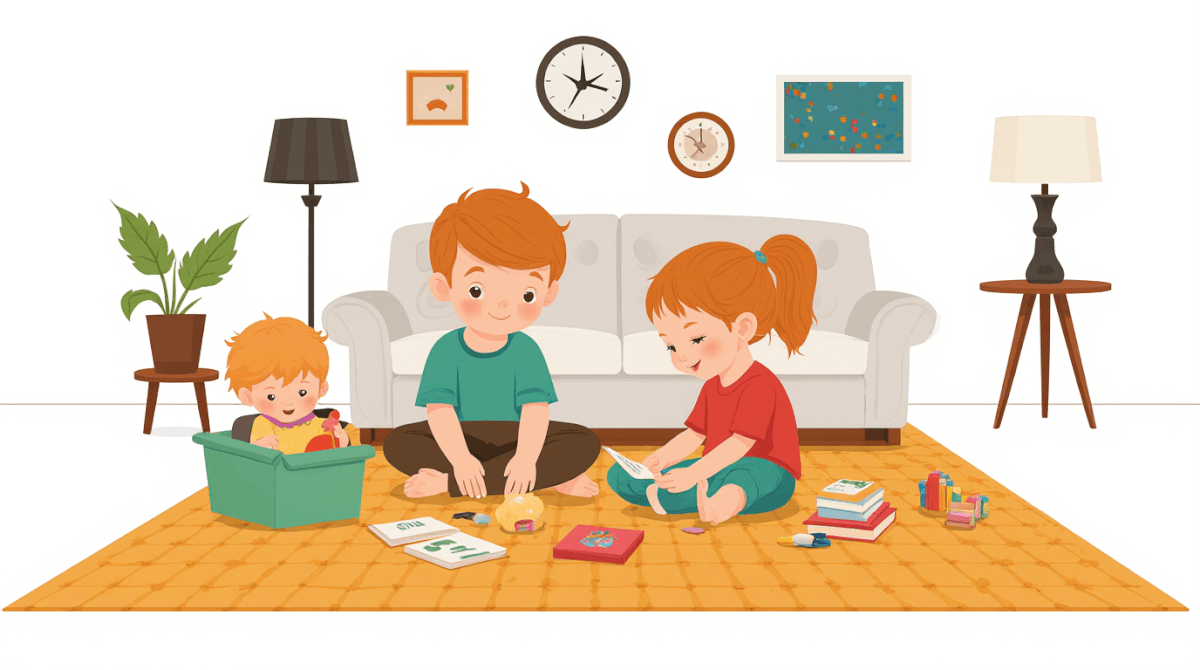
At the heart of every child’s journey to becoming a well-adjusted, emotionally intelligent individual lies the warmth and consistency of family relationships. These everyday interactions are more than just a backdrop; they are the building blocks that shape our children’s emotional and psychological landscapes. Let’s delve into why affection, consistency, support, and structure matter so profoundly in a child’s life.
Affection, in its myriad forms—hugs, smiles, words of encouragement—serves as a buffer against the stresses of childhood. When we hold our children close, they feel seen and loved, which helps to fortify their emotional safety net. This sense of security is not just a comforting presence; it’s crucial for developing self-confidence. Children who experience consistent acts of affection tend to believe in themselves more readily. They know that they are valued and appreciated, which fuels their inner resilience and confidence in tackling life’s challenges.
Consistency in family interactions, creates predictability. Predictability is like a lighthouse in a stormy sea; it guides children through the uncertainties of growing up. When routines are followed—whether it’s a nightly bedtime story, a regular family dinner, or a weekly trip to the park—children learn to trust the world around them. This sense of predictability is key to emotional regulation. It teaches children that life has its rhythms and patterns, and even when storms come, they can weather them with the support of their loved ones.
Support, too, is a cornerstone of healthy development. Whether it’s offering a listening ear, helping with homework, or just being present during a difficult day, the emotional support we provide allows children to explore and grow without fear of abandonment. This kind of support encourages them to take risks and learn from mistakes, knowing that they have a safety net of love and understanding behind them. It instills in them the belief that they can overcome any obstacle, fostering a sense of agency and independence.
Structure, in family life, provides a framework within which children can thrive. Clear boundaries and consistent rules offer guidance and help children understand what is expected of them. This structure helps to reduce anxiety and confusion, making it easier for children to navigate the world around them. When a child knows that chores need to be completed by a certain time, they learn the value of responsibility and organization. These lessons are not just about cleaning or tidying; they are about developing a sense of order and discipline that can extend into all aspects of life.
Let’s consider a small, relatable example: the daily dinner ritual. Each evening, the family gathers around the table, sharing stories and laughter. This simple act of togetherness does more than just provide sustenance; it reinforces the idea that their home is a sanctuary, a place where they belong. Over time, this sense of belonging becomes a fundamental part of their identity, shaping how they view themselves and their place in the world.
In the broader context of social and cultural contexts, family relationships are deeply embedded in the fabric of our communities. The values and norms we pass down through generations shape not only our children’s immediate experiences but also their long-term outlook on life. In many cultures, extended family plays a significant role in a child’s upbringing, providing additional support networks that can bolster emotional resilience.
Yet, it’s important to recognize that while these factors are powerful, they do not operate in isolation. A child’s emotional and psychological development is a complex interplay of biological, environmental, and social influences. The stability and love we provide within the family are critical starting points.
In reflecting on all this, it becomes clear that our role as caregivers is far more than just providing physical sustenance. We are architects of their emotional and psychological landscapes, building strong foundations that can withstand life’s challenges. By nurturing affection, consistency, support, and structure, we equip our children with the tools they need to face the world with confidence and resilience.
In the end, it’s these everyday interactions—the hugs, the smiles, the routines, and the support—that weave together the rich tapestry of a child’s emotional and psychological development. They are not just small acts; they are the building blocks of a secure, loving, and empowering life.



