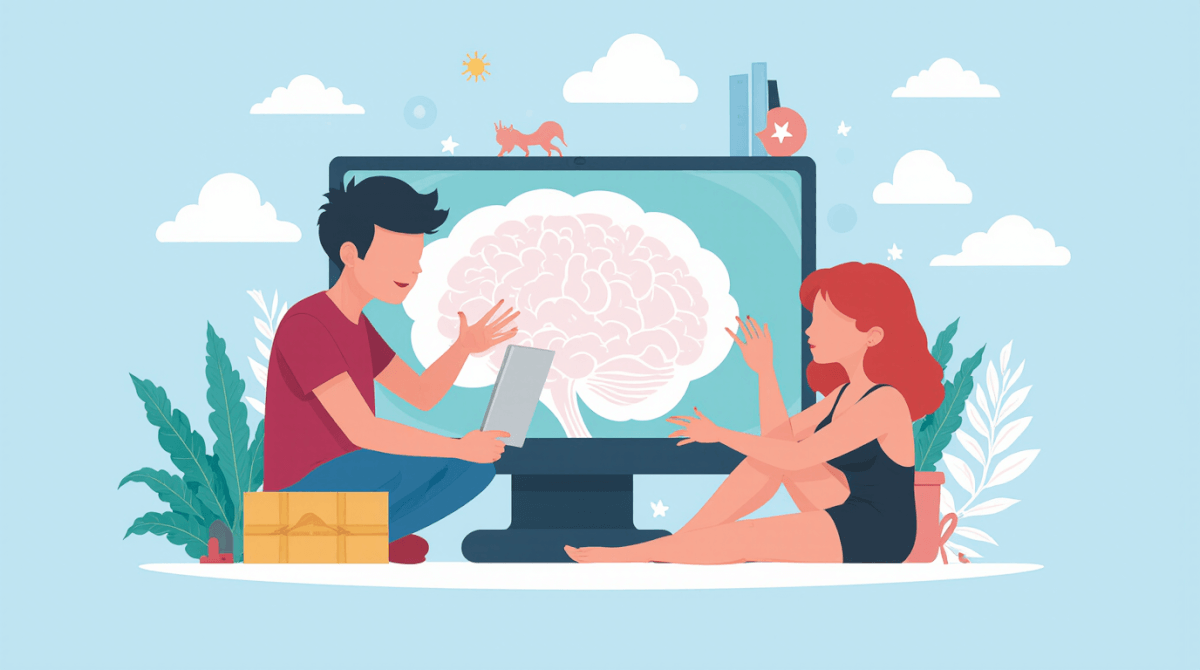
In the intricate tapestry of human emotion within the intimate relationship of a couple, two threads weave through with particular poignancy: emotional dependency and emotional connection. These terms are not interchangeable; they represent different facets of our psychological landscape, each carrying its own weight and tension. The interplay between these forces is as complex as it is profound, often shaping the very essence of our bonds.
Emotional dependency arises from a place of vulnerability where one partner relies on the other for emotional sustenance, comfort, or validation. This dependence can stem from various sources; perhaps one has experienced significant trauma in their past and now seeks security in another’s presence, or maybe they have developed a pattern of behavior that makes them feel inadequate unless they are constantly reassured by their partner. Dependency is not inherently negative; it can be an expression of love and trust. When it becomes excessive, it can lead to a distortion of reality, where one partner loses sight of their own emotional autonomy.
Consider the case of Sarah and Mark. Their relationship began as a whirlwind of mutual attraction and excitement. Over time, Sarah found herself increasingly dependent on Mark for validation. She would often seek his approval before making decisions or expressing her opinions. This dependency was so pronounced that Sarah would feel anxious if she did not receive frequent reassurance from Mark about how wonderful he thought she was. Her sense of self-worth became intertwined with his opinion, leading to a cycle where any perceived disapproval felt like a personal attack.
Yet, this emotional dependency also fostered a deep level of intimacy between them. They spent countless hours discussing their dreams, fears, and aspirations. Mark’s consistent presence created a safety net for Sarah, allowing her to explore and express herself without fear of judgment. This emotional connection brought them closer together, but it came at the cost of Sarah’s personal growth and independence.
Emotional connection is more about mutual understanding, shared experiences, and a deep emotional bond that does not require constant reassurance or validation from one’s partner. It is built on trust, respect, and the ability to navigate life’s challenges together as equal partners. An emotionally connected couple like Rachel and Tom exemplify this dynamic. They value their individuality but also appreciate the support and companionship of their relationship. Their connection is not rooted in dependency but in a shared commitment to each other’s growth.
Emotional dependency and emotional connection are not mutually exclusive; they often coexist within a single relationship, creating a complex dance of interdependence and autonomy. The tension between these two forces can manifest as a constant struggle for balance. One partner might feel smothered by the other’s neediness while simultaneously craving the security it provides. An overemphasis on emotional connection without acknowledging the need for dependency can lead to feelings of isolation and emptiness.
The interplay of dependency and connection is further complicated by the human tendency towards projection. In their relationship with Emily and Jason, dependency often manifests as a form of control or manipulation. One partner might project their own insecurities onto the other, demanding constant reassurance without addressing their own issues. This dynamic creates a cycle where both partners feel trapped in a pattern that neither wants but cannot escape.
The fear of loss is a powerful driver behind emotional dependency. The idea that one’s happiness or sense of self could be threatened by leaving the relationship can create an almost paralyzing attachment. In this context, separation anxiety becomes not just about the end of a relationship but also about losing a source of comfort and support. This fear can prevent individuals from taking steps towards personal growth or pursuing their own interests outside the relationship.
Expectations play a significant role in shaping these dynamics as well. Both Sarah and Mark had romanticized ideas of love that included constant validation and reassurance. When reality did not meet their expectations, it created conflict and tension within the relationship. The disparity between idealized notions of love and the realities of daily life can lead to disappointment and disillusionment.
Emotional connection thrives on shared experiences, mutual respect, and a commitment to personal growth. Rachel and Tom’s approach to their relationship allowed them to maintain individuality while fostering a deep emotional bond. They understood that true connection comes from supporting each other’s dreams and allowing space for self-exploration.
The struggle between dependency and connection can also be seen in the context of moods and emotions. Sarah often felt anxious and insecure, leading her to seek constant validation from Mark. Tom’s approach was more balanced; he understood that his worth as a person did not depend on external validation but rather on his own self-worth and accomplishments.
It is important to note that emotional dependency can sometimes be mistaken for love or intense connection, creating confusion within the relationship dynamics. The constant need for reassurance and validation can mask underlying issues of low self-esteem or unresolved trauma. Emotional connection can feel superficial if not supported by genuine understanding and mutual respect.
In exploring these dynamics, it becomes clear that true emotional health lies in finding a balance between dependency and connection. Dependency without connection can lead to unhealthy patterns of behavior, while an excessive focus on connection without acknowledging dependency needs can result in feelings of isolation and dissatisfaction.
As relationships evolve over time, the interplay between dependency and connection continues to shift. What once might have been healthy dependency could become unbalanced as one partner grows and changes. A relationship that starts with strong emotional connection may face challenges when faced with external pressures or personal growth.
The journey towards finding this balance is not always linear; it requires ongoing effort and self-awareness. Each individual must navigate their own emotional needs while also recognizing the importance of mutual support within the relationship. This process involves addressing underlying issues, setting healthy boundaries, and fostering an environment where both partners can grow independently yet remain connected emotionally.
The dynamics between emotional dependency and emotional connection reveal the intricate complexity of human emotion in relationships. While dependency provides a sense of security and validation, it risks creating imbalanced patterns that can harm individual growth. Emotional connection fosters mutual respect, shared experiences, and personal development but requires effort to maintain balance and address underlying issues.
The tension between these forces is ever-present, challenging couples to continually reassess their relationship dynamics. By embracing vulnerability, fostering open communication, and prioritizing self-awareness, individuals can navigate this complex terrain more effectively. The key lies in finding a harmonious balance that allows for both dependency and connection, creating a relationship where each partner thrives individually while remaining deeply connected emotionally.