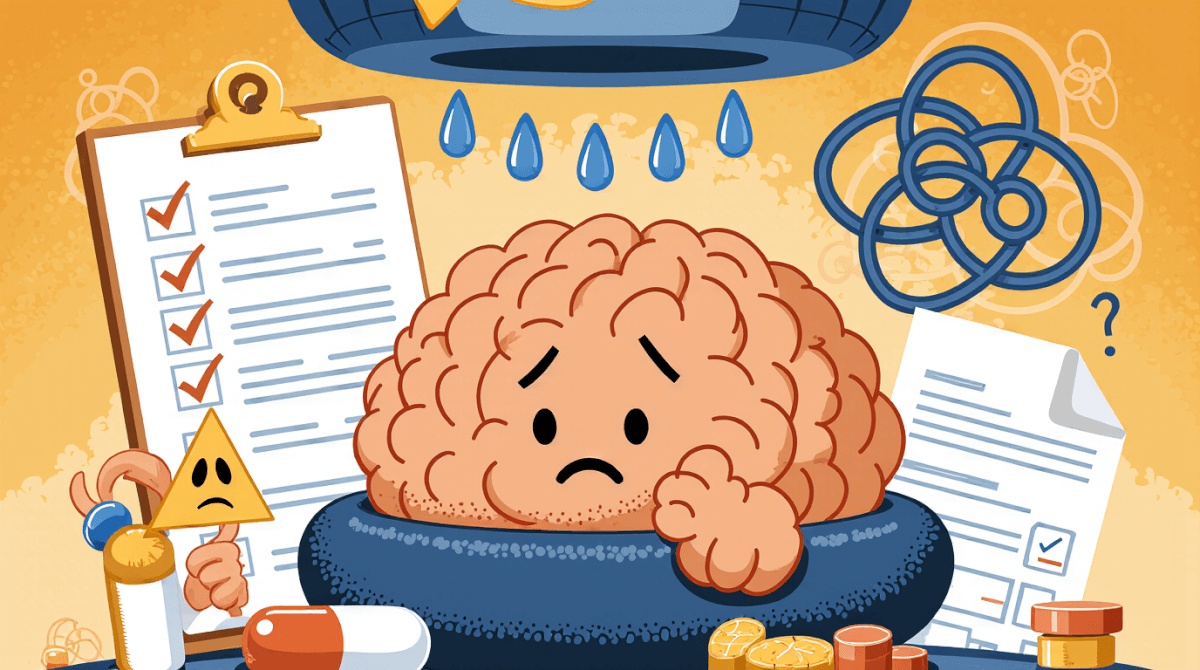
The primary driver of this emotional strain is the mental overload that accompanies caregiving. Caregivers often find themselves caught in a whirlwind of responsibilities, from managing medical appointments to addressing emotional needs, all while maintaining their own lives and well-being. This constant stimulation can fragment attention, making it difficult to focus on any one task or emotion for long. A caregiver might be preoccupied with ensuring their loved one takes the correct medication, but this focus can divert energy away from other essential tasks like personal health management. Over time, this fragmentation of attention can lead to a sense of being overwhelmed and drained.
Constant emotional neglect, where caregivers fail to allocate time for self-care, exacerbates the problem. Many caregivers find themselves so engrossed in their role that they neglect their own needs, leading to a cycle of emotional depletion. A caregiver might spend every waking moment caring for their loved one, only to return home exhausted and unable to engage in activities that once brought joy or relaxation. The absence of these moments can create a void that feels insurmountable, further contributing to the sense of emotional burnout.
Another critical factor is the social and psychological impact of caregiving roles. Caregivers often face societal expectations to be strong and unyielding, which can stifle the expression of vulnerability and the need for support. This cultural pressure can lead to feelings of isolation and increased emotional burden as caregivers struggle to find balance between their roles and personal lives. The constant need to be available and responsive can create a sense of perpetual obligation, leaving little room for rest or reflection.
The psychological mechanisms at play in emotional burnout are multifaceted. Chronic stress and the constant state of vigilance required to manage caregiving responsibilities can lead to adrenal fatigue, a condition where the body’s ability to cope with stress is significantly diminished. This fatigue manifests not only in physical symptoms but also in profound mental and emotional exhaustion. Caregivers may experience frequent feelings of sadness, irritability, or even depression, as their coping mechanisms are stretched beyond their capacity.
The lack of boundaries between work and personal life can further exacerbate this condition. Caregivers often find themselves unable to disengage from caregiving duties, leading to a blurring of personal and professional lines. This lack of distinction can create a feeling of being constantly pulled in different directions, with no respite or time to regroup. The inability to set boundaries can lead to a sense of futility, where efforts to manage the situation seem futile, contributing to a spiral of emotional decline.
Attention, rest, and reflection are crucial but often undervalued elements in preventing and addressing emotional burnout. Attention, in particular, requires dedicated time and space to focus on one’s own needs and emotions without distraction. This can be challenging for caregivers who are constantly occupied with the needs of others. Establishing routines that include moments of quiet or reflection can help maintain a sense of balance and self-awareness.
Rest is equally important but often sacrificed in caregiving roles. Sleep deprivation, physical exhaustion, and emotional fatigue can all contribute to burnout. Ensuring adequate rest means setting boundaries around one’s work and personal time, allowing for periods of respite where the caregiver can recharge. This may involve seeking support from family members or professional caregivers, or simply scheduling time for leisure activities that provide relaxation and enjoyment.
Reflection involves taking the time to process emotions and experiences. This might be done through journaling, speaking with a therapist, or engaging in other forms of self-exploration. Reflection helps caregivers gain insight into their emotional states and the challenges they face, allowing them to develop strategies for managing stress and maintaining their well-being.
In summary, emotional burnout in caregiving roles is a complex and deeply personal experience. It emerges from the interplay of mental overload, constant emotional neglect, and societal expectations. Addressing this issue requires a multifaceted approach that includes recognizing the signs of burnout, establishing boundaries, prioritizing rest and reflection, and seeking support when needed. By acknowledging the challenges and working to manage them thoughtfully, caregivers can better navigate the demanding path of caregiving and preserve their own mental and emotional health.