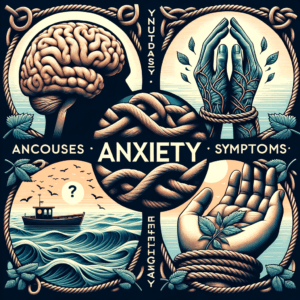
Anxiety often emerges as an overwhelming feeling, making routine tasks seem daunting or even impossible. It is characterized by a cycle of negative thoughts that can spiral out of control, leading to physical symptoms such as shortness of breath, heart palpitations, and dizziness. Understanding how anxious thoughts develop and influence our emotions and behaviors is crucial in managing this pervasive condition.
When we experience anxiety, our bodies respond with the fight-or-flight mechanism—a reaction rooted in our evolutionary history. This response triggers the release of stress hormones like cortisol and adrenaline to prepare us for potential threats. In prehistoric times, these hormones were vital for survival when facing physical dangers such as predators or harsh environments. In today’s world filled with various forms of psychological stress, this physiological response can be overactivated even in the absence of actual danger.
The connection between anxiety and physical activity is rooted in how exercise affects our body’s natural responses to stress. Regular cardiovascular exercises like running, cycling, or swimming have a profound impact on heart health by improving its function and increasing lung capacity. As we strengthen our hearts through regular aerobic activities, blood pressure regulation becomes more efficient, which can help reduce symptoms such as rapid heartbeat and shortness of breath. Additionally, better circulation ensures that the brain receives sufficient oxygen, enhancing mental clarity and reducing disorienting sensations like dizziness.
Engaging in physical activity has a significant emotional impact. Exercise stimulates the production of endorphins—neurotransmitters known for their ability to induce feelings of happiness and well-being. These “feel-good” chemicals help counteract negative emotions tied to anxiety, providing temporary relief from stress. Achieving fitness goals can also boost self-esteem and confidence, crucial factors in managing anxious thoughts.
Beyond its direct physiological benefits, exercise offers indirect advantages that contribute to an overall better quality of life for individuals struggling with anxiety. Physical activity serves as a powerful distraction from the relentless cycle of negative thinking. Whether you’re focused on maintaining proper form during a workout or listening to music while jogging, it becomes easier to disengage from worry and shift your attention towards positive stimuli.
Participating in group activities can foster social interactions which are particularly beneficial for those who tend to isolate themselves due to anxiety. Activities such as yoga classes, team sports, or simply walking with friends can help reconnect you with the community around you. These small yet meaningful encounters can break down barriers and create opportunities for connections that alleviate feelings of loneliness and detachment.
Exercise also acts as a healthy outlet to channel anxious energy into productive pursuits. Instead of turning to unhealthy habits like overeating or excessive drinking, physical activity provides an avenue to manage stress in a positive way. This form of self-care not only helps in managing immediate symptoms but also contributes to building long-term mental resilience.
It is essential to recognize that while exercise can be a powerful tool in alleviating anxiety, it should complement rather than replace other aspects of treatment. Consulting healthcare providers for guidance on integrating physical activity into your routine is crucial. By understanding the psychological mechanisms behind anxious thoughts and behaviors, you can better appreciate how regular exercise supports overall well-being.
Incorporating exercise into your lifestyle offers a holistic approach to managing anxiety. It addresses both physiological symptoms and emotional distress while promoting social engagement and personal growth. As you embark on this journey towards improved mental health through physical activity, remember that the benefits extend far beyond immediate stress relief; they contribute to building a more resilient and balanced self.
Understanding how anxious thoughts develop and influence our emotions and behaviors can help us take proactive steps toward managing anxiety effectively. By integrating regular exercise into your routine, you not only improve your physical health but also foster emotional well-being, social connections, and personal growth. This comprehensive approach empowers you to navigate the challenges of anxiety more confidently and with greater resilience.