
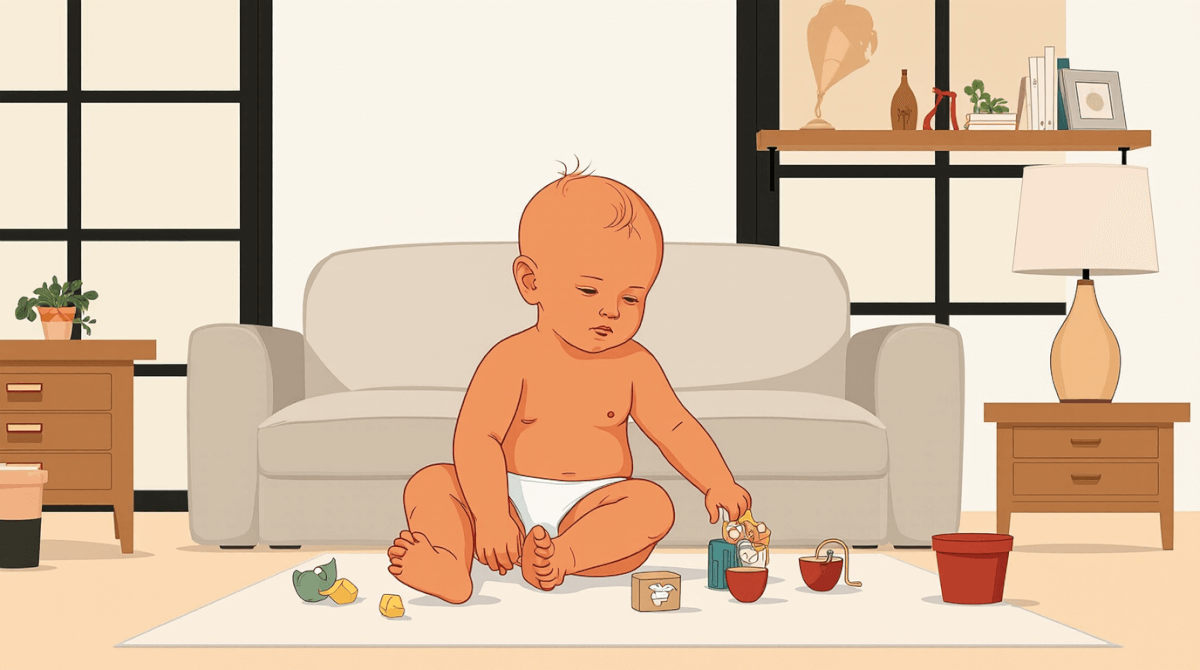
There is a period in life when everything is new.
Every sound.
Every expression.
Every reaction from the world.
Early childhood is not simply a phase of growth — it is a phase of formation.
In those first years, the brain develops at extraordinary speed. Emotional patterns begin to form. Attachment styles take shape. Beliefs about safety, trust, and worth quietly settle into place.
Children may not remember every detail of those years.
But their nervous system does.
And the adults they become are deeply influenced by what happened when they were small.
The Brain in Early Development
During early childhood, the brain is highly adaptable.
Neural connections form rapidly in response to experience.
Language exposure strengthens communication networks.
Emotional stability strengthens regulation systems.
Chronic stress can shape threat detection pathways.
This period is not about perfection.
It is about environment.
Consistent care, predictable routines, and emotional safety provide stability that allows the brain to develop in balanced ways.
Early experiences are not just memories — they are architecture.
Emotional Security and Attachment
One of the most important elements of early childhood is attachment.
When a child feels:
-
Seen
-
Heard
-
Comforted
-
Protected
A sense of internal safety develops.
This safety influences future relationships.
Children who experience consistent responsiveness are more likely to develop secure attachment patterns.
They grow into adults who can trust, regulate emotion, and form stable bonds.
Emotional neglect or instability, however, can create patterns of anxiety, avoidance, or hypervigilance.
Early emotional climate matters.
Modeling Behavior
Children learn more from observation than instruction.
They absorb tone.
They mirror reactions.
They internalize conflict patterns.
If they see calm problem-solving, they learn regulation.
If they see chronic anger, they learn volatility.
If they see empathy, they learn compassion.
Early childhood is not only about teaching rules.
It is about modeling stability.
Language and Identity Formation
The way adults speak to children becomes part of the child’s internal voice.
Repeated messages form early identity.
“You’re capable.”
“You’re always difficult.”
“I’m proud of you.”
“Why can’t you be better?”
Words shape belief.
Belief shapes self-perception.
Self-perception shapes long-term behavior.
Encouragement builds confidence.
Harsh labeling builds insecurity.
Language carries long-term impact.
Play as Development
Play is not wasted time.
It is neurological training.
Through play, children develop:
-
Creativity
-
Problem-solving
-
Social skills
-
Emotional regulation
-
Imagination
Unstructured play strengthens cognitive flexibility.
Interaction with peers strengthens negotiation skills.
Play is how children process the world.
It is serious development disguised as fun.
Boundaries and Stability
Children require structure.
Not harsh control.
Not chaos.
Structure provides predictability.
Predictability creates safety.
When expectations are clear and consistent, children understand limits without fear.
Boundaries teach responsibility.
Consistency teaches trust.
Early structure becomes internal discipline later in life.
The Impact of Stress
Not all stress is harmful.
Mild challenges promote growth.
But chronic, overwhelming stress during early years can disrupt development.
When a child’s nervous system remains in survival mode for long periods, emotional regulation becomes more difficult.
Supportive adults buffer stress.
Calm presence stabilizes.
Early intervention prevents long-term impact.
The Role of Support Systems
Parenting does not occur in isolation.
Extended family, educators, and community influence development.
Strong support systems reduce parental stress.
Reduced parental stress improves child environment.
Healthy adults create healthy spaces.
Investment in early childhood is investment in society’s future.
Formation of Character
Character does not begin in adulthood.
It begins early.
Sharing.
Apologizing.
Waiting.
Listening.
These skills are introduced gradually.
Children internalize fairness, empathy, and responsibility through repetition.
What begins as guided behavior becomes personal conviction later.
Looking Toward the Future
Early childhood is not about raising children who obey.
It is about raising future adults who:
-
Regulate emotion
-
Think critically
-
Form stable relationships
-
Act with empathy
-
Carry internal confidence
The first years do not determine destiny with absolute certainty.
But they lay groundwork.
They shape nervous systems.
They shape attachment.
They shape internal belief.
And those internal patterns influence decades of life.
Children do not need perfection.
They need stability.
They need presence.
They need encouragement.
They need boundaries.
The adults they become are not shaped by grand speeches.
They are shaped by daily patterns.
And in those early years, small actions carry lifelong weight.


Be First to Comment