Our brains are intricate machines designed to make sense of our surroundings and to ensure our survival by creating a framework of mental patterns based on past experiences. From early childhood, these neural networks begin forming as we categorize different stimuli into positive or negative labels that guide our emotional reactions and behaviors. Over time, these established pathways can become deeply ingrained, leading to automatic responses that might not align with our conscious intentions.
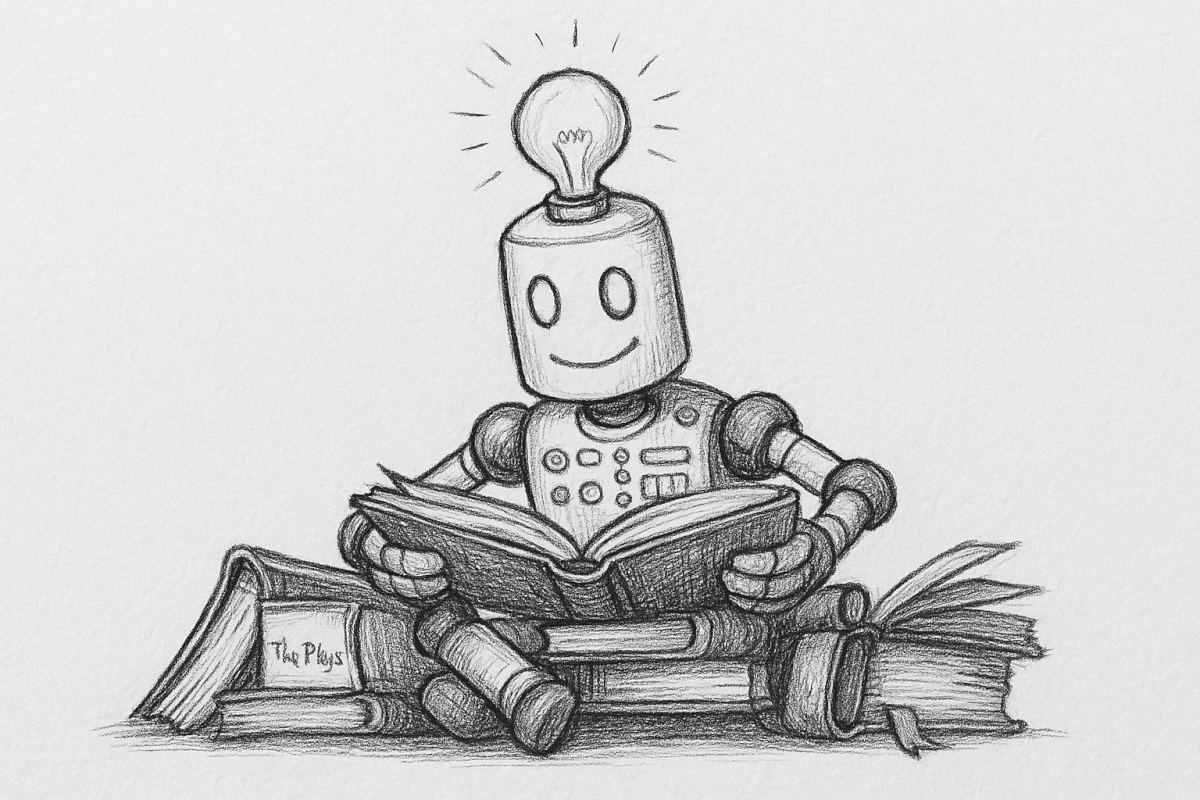
Consider your brain like a vast library filled with countless volumes, each one representing a unique experience or memory. When faced with new situations, the brain swiftly accesses this extensive archive to determine an appropriate reaction. If you’ve had negative experiences with public speaking in the past, your mind might categorize it under “stressful” or “uncomfortable,” priming your emotional system for anxiety and apprehension whenever a similar scenario arises.
As we gather more life experiences, these mental classifications become increasingly complex. Each event adds another layer to our cognitive map, influencing how we perceive future interactions. If someone close to you has been unkind in the past, your brain might label this as “hurtful,” associating it with feelings of sadness or anger. This categorization affects how you interpret subsequent encounters with similar individuals.
The real challenge comes when these mental patterns become so entrenched that they override conscious decision-making processes. You find yourself reacting automatically based on pre-established beliefs rather than the present context. If a boss criticizes your work, your brain might instantly label it as negative and trigger feelings of inadequacy or resentment. This automatic response can overshadow constructive interpretations such as seeing criticism as an opportunity for growth.
These mental patterns extend beyond specific events to encompass broader environmental cues. If you associate rainy days with gloomy moods due to past experiences, your brain might induce depressive thoughts even on a normal day when it rains. This pattern reinforces negative emotional states and further entrenches the mental pathways associated with them, creating a cycle that perpetuates negativity.
Recognizing these patterns is crucial for gaining control over our emotional responses. The first step involves becoming aware of how and why your brain categorizes certain experiences as positive or negative. By observing yourself in various situations and identifying triggers for specific emotions, you can start to understand the underlying thought processes at play.
Once identified, challenging these patterns becomes possible. If criticism from others consistently leads to feelings of inadequacy, ask yourself whether this reaction is always justified or if there might be a more positive interpretation. This questioning helps loosen the grip of automatic reactions and allows for more flexible emotional responses.
Altering deeply ingrained mental patterns requires patience and persistence. It’s unrealistic to expect immediate transformation overnight. Instead, focus on gradually shifting your perspective over time. Each instance where you catch yourself responding automatically offers an opportunity to reevaluate and choose a different course of action. This process is akin to slowly rearranging the books in your library until they align more closely with how you want to experience the world.
The goal isn’t to erase all negative memories but to develop a healthier relationship with them. By understanding the psychological mechanisms behind our emotional responses, we can better navigate life’s challenges without being overly influenced by past experiences. This shift allows us to approach each day with renewed curiosity and openness rather than being constrained by rigid mental patterns.
In essence, while your brain is adept at creating these mental frameworks for survival, it also possesses a remarkable ability to adapt and evolve. By embracing this capacity for change, you can gradually transform your emotional landscape into one that aligns more closely with your aspirations and values. This process of self-discovery isn not about erasing who you are but rather enhancing your understanding of yourself and how you interact with the world around you.
Through patience, reflection, and persistent effort, we can learn to navigate our complex cognitive maps in ways that foster emotional well-being and personal growth. This journey is not just about overcoming past limitations but also about embracing new possibilities for living a more fulfilling life.