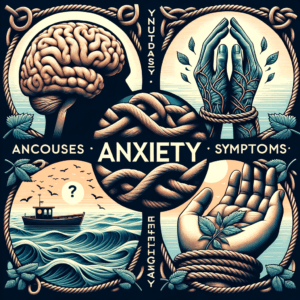
Understanding and navigating anxiety is a challenging yet common experience many of us face at some point in our lives. Anxiety can manifest as an overwhelming sense of unease or fear about everyday situations, often exacerbated by societal pressures, personal insecurities, and the fast pace of modern life.
Anxiety typically begins with thoughts that spiral out of control. These thoughts are not always grounded in reality but rather stem from an overactive imagination or past traumatic experiences. Someone might feel anxious before giving a presentation at work because they fear making mistakes or being ridiculed by their peers. This anxiety can escalate as the person imagines various worst-case scenarios: what if I forget my lines? What if everyone laughs at me? Over time, these thoughts become so persistent that they start to dictate behavior, leading the individual to avoid situations where they might have to speak publicly.
The psychological and emotional mechanisms behind anxiety are intricate. Anxiety often feeds off emotions such as fear, frustration, and self-doubt, creating a cycle that is difficult to break. When someone experiences these negative feelings, it triggers the release of stress hormones like cortisol and adrenaline, which prepare the body for a fight-or-flight response. This physiological reaction can be exhausting and overwhelming, further intensifying feelings of anxiety.
Anxiety also impacts physical health, with symptoms such as muscle tension, headaches, fatigue, and insomnia being common among those dealing with chronic anxiety. These symptoms can make everyday tasks feel insurmountable, leading to a decrease in quality of life and an increase in feelings of hopelessness.
In different cultures, individuals cope with anxiety in various ways, sometimes resulting in socially isolating behaviors. In Japan, where social expectations are extremely high and the concept of “face” is paramount, people may choose isolation as their primary coping mechanism when faced with overwhelming societal pressures. The hikikomori phenomenon, where individuals withdraw from society entirely for prolonged periods, is one such manifestation. While this can provide temporary relief from anxiety-inducing situations, it often leads to deeper mental health issues over time.
In Western cultures like the United States, coping mechanisms are more varied and sometimes manifest as a form of rebellion against societal norms. Adolescents who feel marginalized or bullied might adopt subcultures that offer an identity separate from mainstream expectations. Some teenagers may identify strongly with goth culture to express their discontent and alienation from traditional social structures. While these subcultures can provide a sense of belonging and emotional support within a smaller community, they also risk ostracizing individuals further from broader society.
Understanding anxiety involves recognizing that it is not just an individual problem but one deeply rooted in societal norms and expectations. When someone feels anxious about fitting into certain roles or meeting specific standards, their mental health can suffer. This is particularly true for those who feel marginalized or pressured to conform to ideals they find unattainable.
While anxiety can be debilitating, it does not necessarily predict dangerous behavior in all cases. When coupled with other psychological issues and a lack of support, it can lead individuals down paths they never intended to take. This is why early intervention and understanding the underlying causes of anxiety are crucial for managing its impact on daily life.
In summary, anxiety is a multifaceted issue that affects people differently depending on their cultural context, personal experiences, and psychological makeup. It’s essential to approach it with empathy and an open mind, recognizing that each person’s journey through anxiety is unique and valid. By fostering environments where individuals feel understood and supported, we can help mitigate the negative impacts of anxiety and promote healthier coping mechanisms for everyone involved.
Anxiety often begins as a response to perceived threats or uncertainties, but over time it can become more entrenched, influencing not just how people think and behave, but also their physical well-being. Understanding these dynamics helps in recognizing that anxiety is not just about individual fears or weaknesses but is part of a broader context involving societal pressures and cultural expectations.
As we navigate through life’s challenges, acknowledging the role of societal norms and personal experiences in shaping our feelings of anxiety can be crucial for finding meaningful ways to cope with it. By fostering environments where individuals feel safe expressing their anxieties and receiving support, we can collectively work towards reducing the stigma associated with mental health issues like anxiety.
Recognizing that each person’s experience with anxiety is unique and valid is a step towards creating more empathetic and supportive communities. This understanding encourages us to approach anxiety not just as an individual challenge but also as a communal responsibility, where empathy, support, and understanding are key elements in managing its impact on daily life.